


In an era where the world fits snugly into the palm of our hands, mobile payments have revolutionized the way we conduct transactions, making them as swift as a swipe and as simple as a tap. Yet, as the digital landscape expands, so too does the shadow of cyber threats lurking within its folds. Welcome to the frontline of financial security, where innovation meets vigilance in the battle against mobile payment fraud. This article delves into the sophisticated arsenal of techniques designed to thwart fraudsters, safeguarding your digital wallet with the precision of a well-honed shield. From cutting-edge encryption to biometric authentication, discover how technology and strategy converge to create an impenetrable fortress around your mobile transactions. As we navigate this digital frontier, arm yourself with knowledge and join the ranks of those who stand resilient against the ever-evolving tactics of cybercriminals.
Strengthening Security: Advanced Encryption Methods in Mobile Payments
In the ever-evolving landscape of mobile payments, ensuring the security of transactions is paramount. Advanced encryption methods are at the forefront of safeguarding sensitive information from potential threats. These techniques transform data into complex codes, making it nearly impossible for unauthorized entities to decipher. Among the most effective methods are:
- End-to-End Encryption (E2EE): This method ensures that data is encrypted on the sender’s device and only decrypted on the recipient’s device, leaving no room for interception during transmission.
- Tokenization: Instead of transmitting actual card details, tokenization replaces sensitive information with unique identifiers or “tokens” that are useless if intercepted.
- Advanced Encryption Standard (AES): Widely regarded as one of the most secure encryption algorithms, AES uses symmetric key encryption to protect data, making it a cornerstone in mobile payment security.
By integrating these robust encryption strategies, mobile payment systems can significantly reduce the risk of fraud, ensuring that users’ financial data remains secure and transactions are conducted with confidence.
Biometric Authentication: The Future of Fraud Prevention
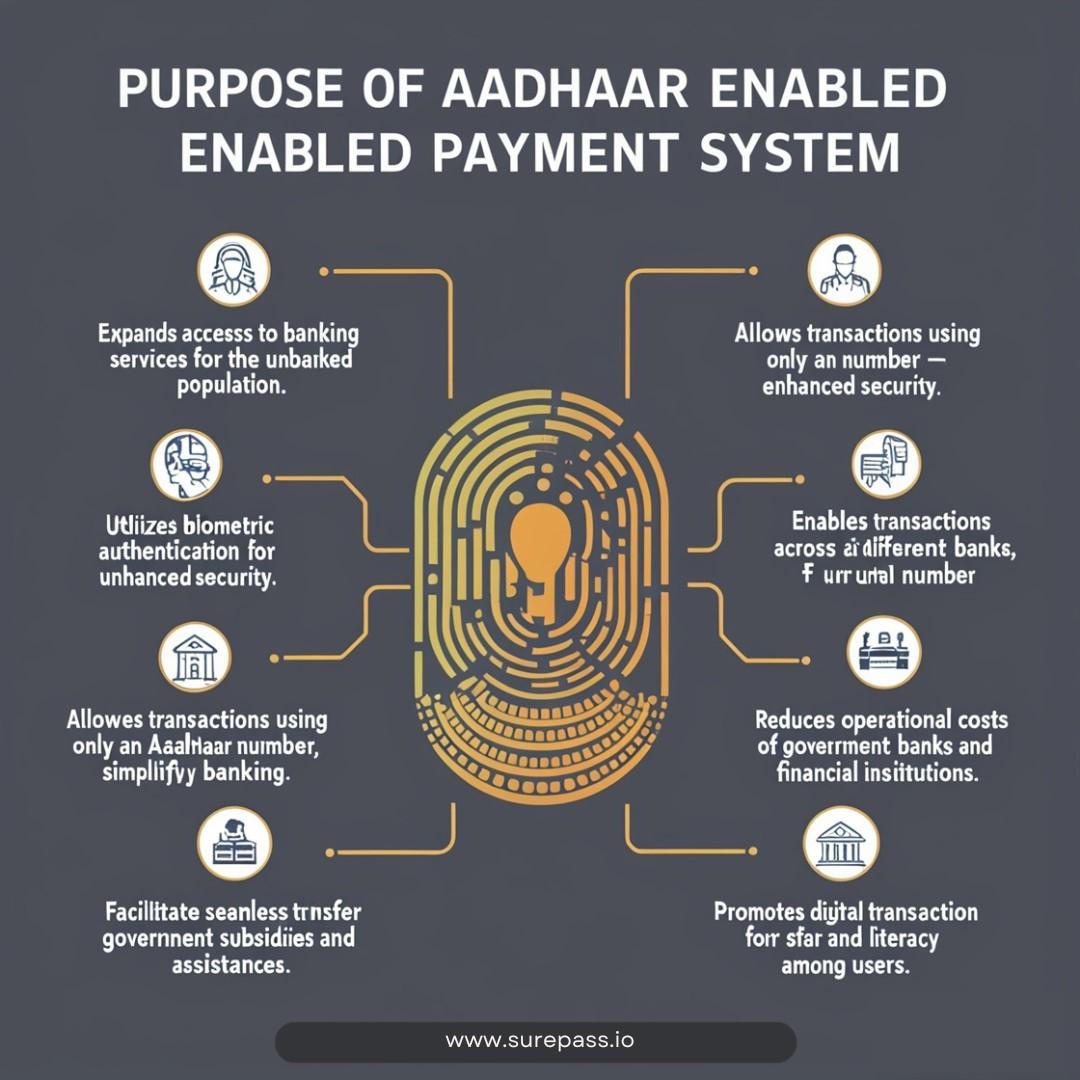
In an era where digital transactions are the norm, safeguarding sensitive financial data is paramount. Enter biometric authentication, a revolutionary technique that leverages unique biological traits to verify identities with unparalleled precision. By utilizing characteristics such as fingerprints, facial recognition, and even iris patterns, this technology offers a robust shield against unauthorized access. Unlike traditional passwords or PINs, which can be easily forgotten or stolen, biometric data is inherently secure, making it a formidable tool in the fight against mobile payment fraud.
Adopting biometric solutions not only enhances security but also streamlines the user experience. Imagine unlocking your payment app with a simple glance or a touch, eliminating the need for cumbersome password entries. Key benefits of biometric authentication include:
- Enhanced Security: Unique biological traits are difficult to replicate, reducing the risk of fraud.
- Convenience: Quick and easy access to payment systems without the hassle of remembering complex passwords.
- Increased Trust: Consumers feel more confident using platforms that prioritize advanced security measures.
As mobile payment systems continue to evolve, integrating biometric authentication is not just a trend but a necessity for robust fraud prevention.

Real-Time Monitoring: Leveraging AI for Instant Fraud Detection
In the fast-paced world of mobile payments, real-time monitoring powered by artificial intelligence is revolutionizing fraud detection. This advanced technology offers a proactive approach, analyzing vast amounts of transactional data instantaneously to identify suspicious patterns and anomalies. By leveraging AI, businesses can swiftly detect and mitigate fraudulent activities, ensuring the security of their payment systems and safeguarding customer trust.
- Dynamic Pattern Recognition: AI systems can learn and adapt to new fraud tactics, recognizing subtle shifts in transaction behaviors that may indicate fraud.
- Behavioral Analysis: By continuously monitoring user behavior, AI can differentiate between legitimate and fraudulent activities, flagging transactions that deviate from established norms.
- Instant Alerts: With real-time capabilities, AI systems can send immediate alerts to security teams, enabling quick responses to potential threats.
Integrating AI into mobile payment systems not only enhances fraud detection but also streamlines operations, allowing businesses to focus on delivering seamless and secure payment experiences.
User Education: Empowering Consumers to Combat Mobile Payment Fraud
In today’s fast-paced digital landscape, empowering consumers with the knowledge to safeguard their mobile transactions is crucial. Understanding the tactics employed by fraudsters is the first step in fortifying your defenses. These cybercriminals often use phishing scams, fake apps, and unsecured networks to access sensitive information. By recognizing these threats, users can take proactive measures to protect themselves.
To combat these risks, consumers should adopt a multi-layered approach to security. Here are some effective techniques:
- Enable Two-Factor Authentication (2FA): Adding an extra layer of security ensures that even if your password is compromised, unauthorized access is thwarted.
- Use Secure Networks: Avoid conducting financial transactions over public Wi-Fi. Instead, use a VPN or your mobile data to ensure a secure connection.
- Regularly Update Software: Keep your mobile apps and operating system up-to-date to protect against vulnerabilities.
- Be Wary of Phishing Attempts: Scrutinize emails and messages for signs of fraud, such as unfamiliar sender addresses or urgent requests for personal information.
- Download Apps from Official Sources: Only install apps from trusted platforms like the Google Play Store or Apple App Store to minimize the risk of downloading malicious software.
By staying informed and implementing these strategies, consumers can significantly reduce their risk of falling victim to mobile payment fraud, thus ensuring a safer digital experience.