

In the labyrinthine world of modern commerce, where digital transactions flow seamlessly across borders and devices, an invisible threat lurks in the shadows, poised to strike at the heart of your financial security. Welcome to the often-overlooked realm of payment systems, where convenience meets vulnerability, and innovation walks hand in hand with deception. As businesses race to keep pace with the rapid evolution of technology, they unwittingly open doors to a new breed of fraudsters, skilled in the art of exploiting the unseen cracks in your financial armor. In this exploration, we will unveil the hidden fraud risks that silently infiltrate your payment systems, arming you with the knowledge to fortify your defenses and safeguard your enterprise against the ever-evolving landscape of financial deception. Prepare to journey into the depths of your digital transactions, where vigilance is your greatest ally and awareness is your first line of defense.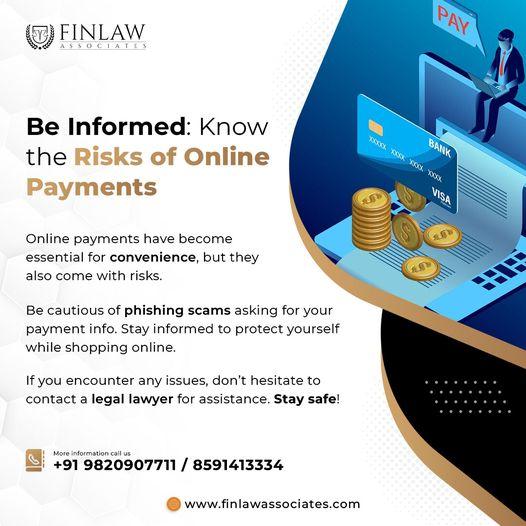
Unmasking the Deceptive Tactics Threatening Your Transactions
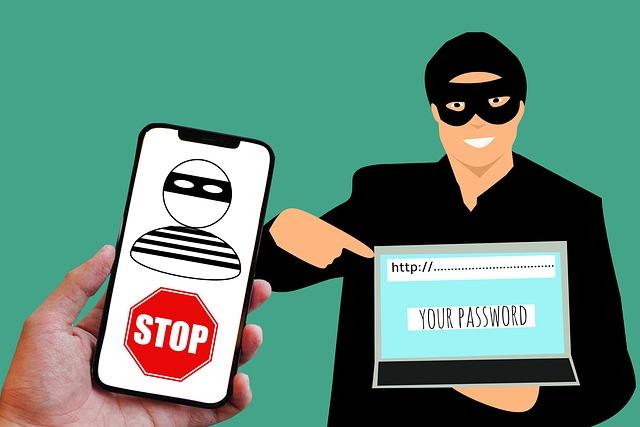
In the digital age, the sophistication of fraudulent schemes has reached unprecedented levels, with cybercriminals employing a myriad of tactics to infiltrate your payment systems. Phishing attacks remain a predominant threat, cleverly disguised as legitimate communications from trusted entities. These attacks often lure unsuspecting individuals into divulging sensitive information, leading to unauthorized transactions. Another insidious method is man-in-the-middle attacks, where attackers intercept and manipulate communications between two parties, effectively siphoning off funds without detection.
To safeguard your transactions, it is crucial to be aware of the following deceptive tactics:
- Social Engineering: Exploiting human psychology to gain access to confidential information.
- Malware Injections: Malicious software designed to infiltrate and compromise payment systems.
- Card Skimming: Illegally capturing card data during legitimate transactions.
- Fake Invoices: Fraudulent billing designed to trick businesses into paying for non-existent services.
By understanding these threats and implementing robust security measures, you can fortify your defenses against the ever-evolving landscape of payment fraud.
In-Depth Analysis of Vulnerabilities in Modern Payment Infrastructures
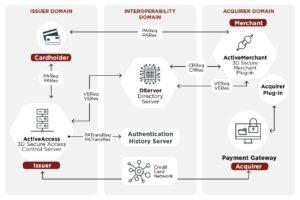
In the rapidly evolving landscape of digital transactions, the sophistication of modern payment infrastructures often masks underlying vulnerabilities that can be exploited by cybercriminals. Advanced persistent threats (APTs) and zero-day exploits are no longer the exclusive tools of state-sponsored hackers; they are increasingly accessible to a broader range of malicious actors. Payment systems, with their intricate web of interconnected technologies, present multiple points of failure. These systems often rely on legacy software that, despite its reliability, is riddled with security gaps that have not been patched. The seamless integration of third-party applications further compounds these vulnerabilities, creating a fertile ground for fraudulent activities.
- Tokenization Weaknesses: While tokenization is designed to protect sensitive data, flaws in implementation can lead to token reuse attacks.
- Insufficient Encryption: Outdated encryption protocols can be easily cracked, exposing critical payment information.
- Inadequate Authentication: Weak authentication mechanisms allow unauthorized access to payment systems, facilitating fraud.
- API Exploits: Poorly secured APIs can be manipulated to extract or alter payment data.
Mitigating these risks requires a proactive approach, including regular security audits, updating software to the latest versions, and employing robust encryption standards. Payment infrastructure stakeholders must remain vigilant, continually adapting to the ever-changing threat landscape to safeguard against these hidden fraud risks.
Proactive Strategies to Fortify Your Payment Systems Against Fraud
To shield your payment systems from the ever-evolving landscape of fraud, it’s imperative to adopt a multifaceted approach that combines cutting-edge technology with strategic foresight. Implementing advanced encryption protocols is a foundational step, ensuring that sensitive data remains impenetrable to unauthorized access. Beyond this, consider leveraging AI-driven fraud detection tools that can analyze transaction patterns in real-time, identifying anomalies with precision and agility.
Equally important is the cultivation of a security-first culture within your organization. Encourage regular training sessions to keep your team informed about the latest fraud tactics and how to counteract them. Establishing a robust authentication process is crucial; consider employing multi-factor authentication (MFA) to add an extra layer of security. Moreover, maintain a vigilant eye on your systems by conducting frequent audits and assessments. These proactive strategies not only fortify your defenses but also instill confidence in your customers, assuring them that their transactions are secure.
Expert Recommendations for Implementing Robust Fraud Prevention Measures
To fortify your payment systems against the ever-evolving landscape of fraud, it is crucial to integrate a multi-layered approach that leverages both technology and human insight. Artificial Intelligence (AI) and Machine Learning (ML) are at the forefront of modern fraud prevention, enabling systems to identify and learn from suspicious patterns in real-time. Implementing these technologies can help in detecting anomalies and predicting potential threats before they materialize.
- Conduct Regular Audits: Frequent audits of your payment systems can unearth vulnerabilities that may be exploited by fraudsters.
- Employee Training: Equip your team with the knowledge to recognize and respond to fraudulent activities effectively.
- Two-Factor Authentication (2FA): Add an extra layer of security by requiring users to verify their identity through a secondary method.
- Transaction Monitoring: Continuously monitor transactions for unusual behavior, utilizing thresholds and alerts to flag potential fraud.
By implementing these expert recommendations, businesses can significantly reduce the risk of fraud and protect their financial assets, ensuring a secure and trustworthy payment environment.