

In the intricate dance of global finance, where fortunes are made and lost in the blink of an eye, the rhythm of economic growth sets the tempo for the markets’ heartbeat. Yet, beneath the surface of prosperity lies a shadowy partner—credit risk—lurking in the wings, ready to disrupt the harmonious flow. As economies expand, the allure of opportunity beckons, drawing investors and institutions into a complex web of financial interdependencies. However, with each step forward, the specter of credit risk looms larger, threatening to unravel the delicate balance. This article delves into the pivotal role economic growth plays in shaping credit risk within financial markets, unraveling the intricate threads that bind these two forces. By exploring the dynamic interplay between burgeoning economies and the inherent risks of credit, we aim to illuminate the pathways through which growth can both fortify and destabilize financial systems, offering insights into navigating this ever-evolving landscape with prudence and foresight.
Economic Expansion and Its Ripple Effect on Credit Risk Dynamics
In times of economic expansion, financial markets often experience a surge in optimism, leading to increased lending and borrowing activities. This period of growth is characterized by improved business revenues, higher employment rates, and increased consumer spending. However, this buoyant economic environment can mask underlying credit risks. As businesses and individuals take on more debt to capitalize on growth opportunities, the potential for default can increase if the economic conditions shift unexpectedly. The dynamics of credit risk are thus intricately linked to the broader economic landscape, where the very factors that drive growth can also amplify vulnerabilities.
- Increased Borrowing: Economic growth encourages businesses and consumers to borrow more, often leading to higher leverage ratios.
- Asset Bubbles: Rapid growth can inflate asset prices, creating bubbles that pose significant risks if they burst.
- Interest Rate Fluctuations: Central banks may adjust interest rates in response to growth, impacting debt servicing costs and credit risk.
Financial institutions must remain vigilant, employing robust risk management strategies to navigate these complexities. By understanding the ripple effects of economic expansion, they can better anticipate and mitigate potential credit risks, ensuring stability even as markets evolve.

Decoding the Interplay Between GDP Growth and Market Vulnerabilities
Understanding the intricate relationship between economic growth and market vulnerabilities is crucial for investors and policymakers alike. As GDP growth accelerates, it often brings with it a surge in investor confidence and a corresponding expansion in credit markets. However, this growth can mask underlying vulnerabilities, leading to an increased risk of credit defaults. Market vulnerabilities can emerge from various sources, such as over-leveraging, asset bubbles, or external economic shocks. When GDP growth slows or reverses, these vulnerabilities can be exposed, resulting in heightened credit risk.
- Over-leveraging: During periods of robust economic growth, businesses and consumers may take on excessive debt, assuming that income levels will continue to rise.
- Asset bubbles: Rapid GDP growth can lead to inflated asset prices, which may not be sustainable in the long term.
- External shocks: Global economic events can disrupt local markets, exacerbating existing vulnerabilities.
Therefore, while economic growth is essential for market stability, it is imperative to monitor and manage the associated risks. A nuanced understanding of these dynamics allows for more informed decision-making, ensuring that the benefits of growth are not overshadowed by unforeseen financial crises.

Strategic Approaches to Mitigating Credit Risk Amidst Economic Fluctuations
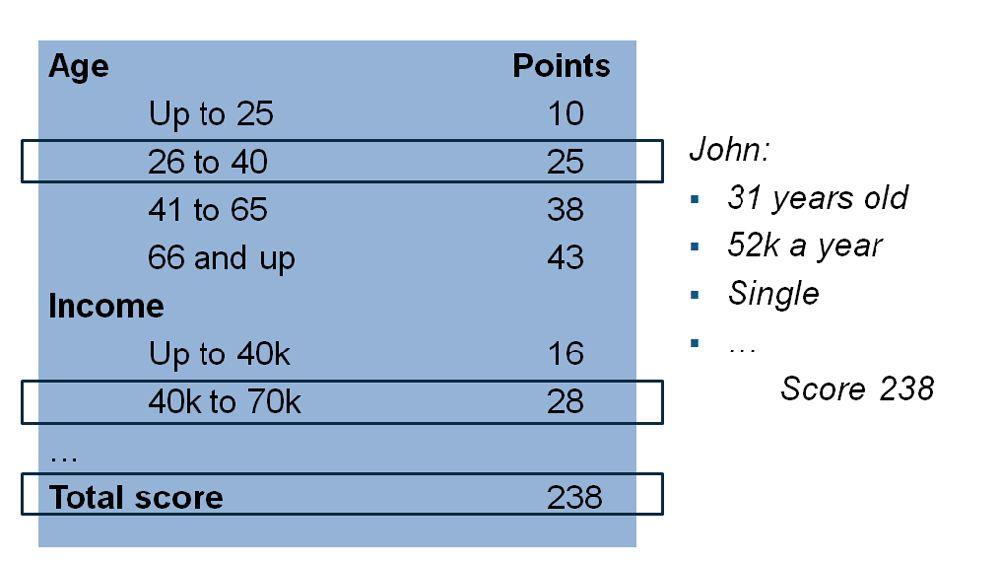
In the face of economic volatility, financial institutions must adopt a robust framework to effectively manage credit risk. Strategic diversification of loan portfolios is crucial. By spreading credit exposure across various sectors and geographies, institutions can cushion the impact of localized economic downturns. Moreover, leveraging advanced data analytics to enhance credit scoring models enables a more precise assessment of borrower risk profiles.
- Dynamic Risk Assessment: Continuously update risk models to reflect real-time economic indicators.
- Stress Testing: Conduct rigorous stress tests to anticipate potential credit losses under adverse economic scenarios.
- Adaptive Credit Policies: Implement flexible credit policies that can be adjusted swiftly in response to economic shifts.
Furthermore, fostering strong relationships with borrowers through transparent communication can preemptively address potential defaults. As economies ebb and flow, maintaining a proactive and adaptable approach is essential for mitigating credit risk and ensuring financial stability.
Harnessing Economic Indicators for Proactive Credit Risk Management
In the dynamic realm of financial markets, the art of proactive credit risk management hinges significantly on a keen understanding of economic indicators. These indicators serve as the pulse of economic health, providing invaluable insights that can be harnessed to anticipate and mitigate potential credit risks. Key economic indicators to monitor include:
- GDP Growth Rates: A robust GDP growth often signals a thriving economy, reducing default risks, while stagnation or decline can be a harbinger of increased credit vulnerabilities.
- Unemployment Rates: Rising unemployment can lead to higher default rates as consumers and businesses struggle to meet financial obligations.
- Inflation Trends: Moderate inflation is typically manageable, but hyperinflation or deflation can destabilize credit markets, affecting loan repayment capabilities.
By integrating these economic indicators into credit risk models, financial institutions can develop a more nuanced and forward-looking approach to risk management. This proactive stance not only safeguards against potential defaults but also empowers institutions to seize opportunities that arise in periods of economic expansion.