
In the ever-evolving landscape of modern commerce, businesses are constantly seeking the golden key to unlock a high-spend customer base. Enter credit data—a powerful, yet often underutilized, tool that can illuminate the path to attracting and retaining customers who are not only willing but eager to spend. As we delve into the intricate world of credit data, we uncover how its strategic application can transform a company’s customer engagement strategies, turning transactional interactions into enduring relationships. With the precision of a master craftsman, businesses can harness the insights gleaned from credit data to tailor their offerings, optimize marketing efforts, and ultimately, build a loyal clientele that contributes significantly to the bottom line. Join us as we explore the myriad ways in which credit data can serve as a cornerstone for constructing a robust, high-spend customer base, ensuring your business not only survives but thrives in today’s competitive market.
Unlocking Consumer Patterns with Credit Data
Understanding the intricate details of consumer behavior is crucial for businesses aiming to cultivate a high-spend customer base. Credit data serves as a powerful tool in this endeavor, offering insights that go beyond basic demographic information. By analyzing credit data, businesses can identify patterns and trends that are indicative of a consumer’s purchasing potential and financial behavior.
Consider the following advantages of leveraging credit data:
- Predictive Insights: Credit data can help forecast future spending habits by examining past credit usage and payment history.
- Targeted Marketing: Tailor your marketing strategies to reach consumers with high credit scores who are more likely to engage in premium spending.
- Risk Assessment: Reduce financial risk by identifying consumers who are less likely to default on payments, ensuring a more stable customer base.
Incorporating credit data into your business strategy not only enhances your understanding of consumer patterns but also empowers you to make informed decisions that drive growth and profitability.

Strategic Segmentation for Targeted Marketing
In the realm of targeted marketing, leveraging credit data for strategic segmentation can be a game-changer. By understanding the credit profiles of potential customers, businesses can tailor their marketing efforts to attract a high-spend customer base. This involves analyzing various credit metrics to identify patterns and behaviors that correlate with higher spending potential. Credit scores, credit limits, and payment histories are just a few of the indicators that can help in crafting precise marketing strategies.
Consider the following benefits of utilizing credit data for segmentation:
- Precision Targeting: Focus on individuals with high credit scores who are more likely to engage in premium purchases.
- Risk Assessment: Mitigate financial risks by identifying customers with reliable payment histories.
- Personalized Offers: Craft bespoke offers that resonate with the financial capabilities and preferences of your target audience.
By integrating these insights into your marketing framework, you not only enhance customer acquisition but also foster long-term loyalty and increased revenue streams.
Leveraging Credit Insights to Enhance Customer Loyalty
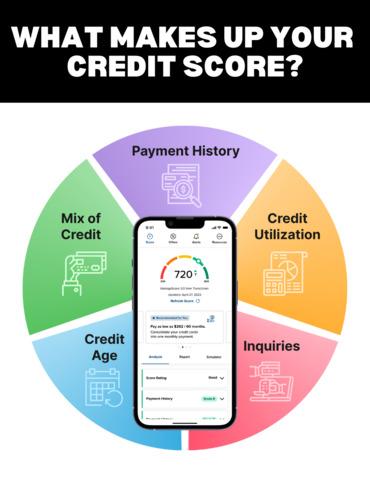
In today’s competitive market, understanding your customers’ credit behavior is not just an advantage—it’s a necessity. By analyzing credit data, businesses can identify patterns and trends that highlight potential high-spend customers. This insight allows companies to tailor their marketing strategies, ensuring that promotional efforts are directed towards individuals most likely to engage in premium spending. Credit insights can reveal:
- Spending habits: Understanding which products or services are favored by high-credit-score customers.
- Payment reliability: Identifying customers who consistently meet payment deadlines, indicating a propensity for loyalty.
- Credit utilization: Spotting customers who maintain low credit utilization, often a sign of financial stability and potential for increased spending.
By leveraging these insights, businesses can craft personalized experiences that not only meet but exceed customer expectations, fostering a sense of loyalty that encourages repeat purchases and higher spend. Embracing credit data as a strategic tool transforms customer engagement from a guessing game into a precise, data-driven approach.
Optimizing Spend Potential through Data-Driven Strategies
In today’s competitive market, leveraging credit data is not just an option—it’s a necessity for businesses aiming to maximize their spend potential. By harnessing the power of data-driven strategies, companies can identify and cultivate a high-spend customer base with precision. This involves analyzing credit scores, spending patterns, and payment histories to tailor marketing efforts and personalize customer experiences. The insights gained from such data can help businesses:
- Identify potential high-value customers by assessing their creditworthiness and spending capacity.
- Optimize marketing campaigns to target individuals with the highest likelihood of conversion.
- Enhance customer retention through personalized offers and incentives based on credit behavior.
By integrating these strategies, businesses not only increase their revenue streams but also foster a loyal customer base that values personalized service. The key lies in the meticulous analysis of credit data, transforming raw numbers into actionable insights that drive growth and profitability.