
In the bustling world of small businesses, where dreams take flight and innovation knows no bounds, the backbone of growth often hinges on an elusive yet essential element: credit. As entrepreneurs navigate the labyrinthine corridors of finance, credit scoring models emerge as the unsung heroes, wielding the power to unlock doors to opportunity or, conversely, to slam them shut. These models, sophisticated in their design yet pivotal in their application, are the gatekeepers of capital, determining which fledgling ventures will soar and which may falter. In this exploration of , we delve into the intricate algorithms and nuanced criteria that underpin these financial assessments, offering an authoritative guide to understanding how they shape the entrepreneurial landscape. From traditional metrics to cutting-edge innovations, this article unravels the complexities of credit scoring, equipping small business owners with the knowledge to navigate their financial futures with confidence and clarity.
Decoding the Complex World of Small Business Credit Scoring
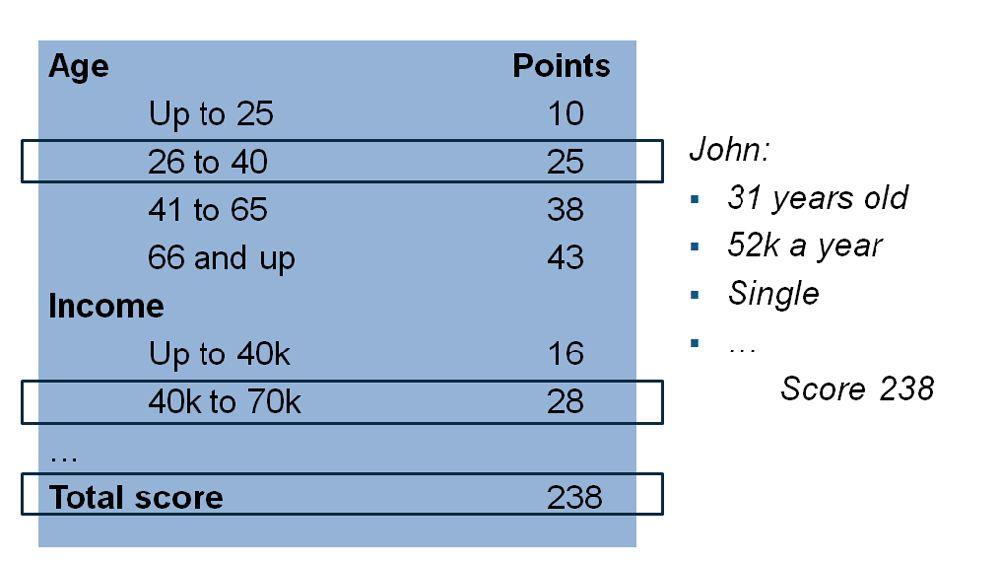
Understanding how credit scoring models evaluate small businesses can feel like navigating a labyrinth. These models assess various factors to determine a business’s creditworthiness, which can significantly impact its ability to secure loans or favorable terms. Unlike personal credit scores, which rely heavily on individual credit history, business credit scoring models often consider a broader spectrum of data. Key elements typically include:
- Payment History: Consistent, timely payments to creditors and suppliers are crucial.
- Debt Utilization: The ratio of current debt to available credit lines can influence scores.
- Company Size and Age: Established businesses with a track record are often viewed more favorably.
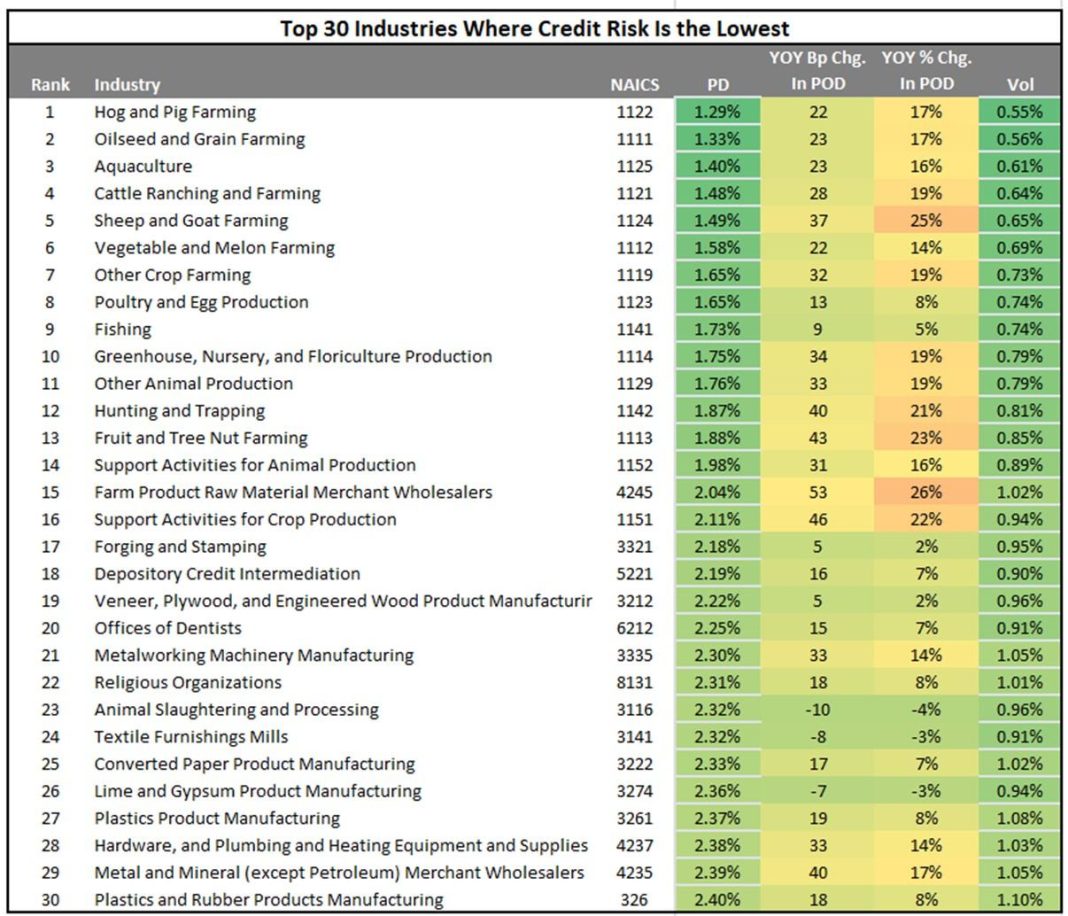
- Industry Risk: The inherent risk associated with the business’s industry can affect scoring.
- Public Records: Any liens, judgments, or bankruptcies are red flags.
Each credit bureau may weigh these factors differently, creating a unique score for each business. This complexity underscores the importance of maintaining a comprehensive and proactive approach to financial management. By understanding these nuances, small business owners can better position themselves for financial success.

Unveiling the Key Factors Driving Creditworthiness
In the realm of credit scoring models tailored for small businesses, understanding the intricacies of creditworthiness is paramount. The factors that influence this assessment are multifaceted and demand a keen eye. Financial health stands at the forefront, with models evaluating cash flow, debt levels, and revenue consistency. These metrics offer a snapshot of a business’s ability to manage its financial obligations effectively. Equally critical is the business’s credit history, where timely payments and credit utilization rates paint a picture of reliability and trustworthiness.
- Industry Risk: The sector in which a business operates can significantly impact its credit score. High-risk industries often face stricter scrutiny.
- Business Age: Established businesses with a longer track record tend to score higher, as they provide more data for evaluation.
- Owner’s Personal Credit Score: For small businesses, the owner’s credit score can be a decisive factor, reflecting personal financial management skills.
By dissecting these components, lenders and financial institutions can make informed decisions, ensuring that credit is extended to businesses poised for growth and stability.
Harnessing Data Analytics for Accurate Credit Predictions
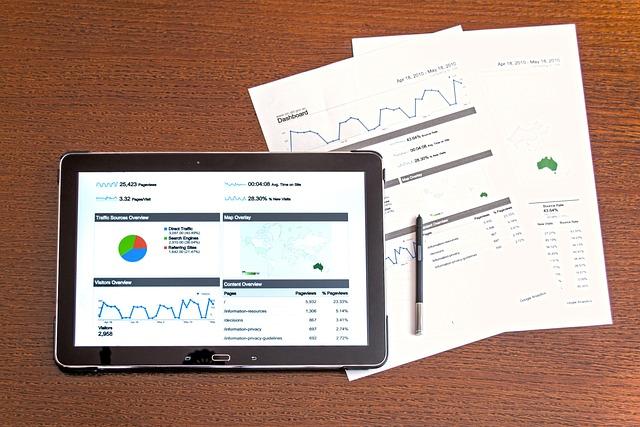
In the dynamic landscape of small business finance, the precision of credit scoring models has become indispensable. By leveraging the power of data analytics, these models can offer unparalleled insights into the creditworthiness of small enterprises. Data-driven approaches allow for the integration of diverse datasets, including transactional histories, market trends, and even social media activity, to construct a more holistic view of a business’s financial health. This comprehensive analysis ensures that lenders can make informed decisions, minimizing risks and fostering a more inclusive financial environment.
Key benefits of employing advanced analytics in credit predictions include:
– Enhanced accuracy in assessing credit risk, leading to better loan performance.
– Reduction in biases traditionally associated with manual credit evaluations.
– Ability to quickly adapt to changing economic conditions, providing real-time insights.
– Empowerment of small businesses through fairer access to credit.
By embracing these sophisticated tools, financial institutions not only safeguard their investments but also contribute to the sustainable growth of small businesses, nurturing innovation and economic resilience.

Strategic Recommendations for Optimizing Credit Scores
To enhance your small business’s credit profile, it is crucial to implement strategic measures that align with the nuances of credit scoring models. Start by regularly reviewing your credit reports to identify any inaccuracies or discrepancies that could negatively impact your score. Promptly address these issues by disputing errors with the relevant credit bureaus. Furthermore, maintaining a healthy credit utilization ratio is essential. Aim to keep your credit usage below 30% of your total available credit, which demonstrates responsible credit management to lenders.
- Build a Diverse Credit Portfolio: Having a mix of credit types, such as credit cards, loans, and lines of credit, can positively influence your score by showcasing your ability to manage various credit forms effectively.
- Timely Payments: Ensure all payments are made on time, as late payments can significantly harm your credit score. Consider setting up automatic payments or reminders to avoid missing due dates.
- Limit Hard Inquiries: Be cautious about the number of credit applications you submit, as each hard inquiry can temporarily lower your score. Only apply for credit when necessary.
By strategically managing these elements, your small business can not only improve its credit score but also enhance its financial reputation, paving the way for better financing opportunities and terms.