
In the intricate world of modern business, where digital transactions zip across the globe in milliseconds and personal data is a currency of its own, the specter of fraud looms larger than ever. As organizations strive to protect their assets and reputations, the need for a robust defense system becomes paramount. Enter the fraud prevention team—a specialized cadre of vigilant guardians armed with the skills and strategies to thwart deceitful schemes. Building such a team is not merely an operational necessity; it is a strategic imperative. This article delves into the art and science of assembling an effective fraud prevention team, offering authoritative insights and practical guidance to fortify your organization against the ever-evolving threats of the digital age. Whether you’re a seasoned executive or a burgeoning entrepreneur, understanding the dynamics of fraud prevention will empower you to safeguard your enterprise with confidence and foresight.
Crafting a Culture of Vigilance and Integrity
To foster a team that embodies vigilance and integrity, it’s essential to cultivate an environment where ethical behavior is not just encouraged but expected. Begin by setting clear ethical guidelines and ensuring that every team member understands the importance of adhering to these standards. This can be achieved through regular training sessions that emphasize the value of integrity in all operations. Additionally, encourage an open-door policy where team members feel comfortable discussing potential ethical dilemmas without fear of retribution.
Building a culture of vigilance involves creating a proactive mindset among team members. Encourage them to be on the lookout for any signs of fraudulent activity and to report them promptly. Key strategies include:
- Implementing a whistleblower policy that protects and supports those who report suspicious activities.
- Conducting regular audits and reviews to identify vulnerabilities and address them swiftly.
- Promoting a sense of ownership among team members, where each person feels responsible for maintaining the integrity of the organization.
By embedding these principles into the fabric of your team, you ensure a robust defense against fraud and a steadfast commitment to ethical practices.

Harnessing Advanced Technology for Proactive Detection
In the realm of fraud prevention, leveraging advanced technology is not just an option—it’s a necessity. By utilizing cutting-edge tools, a team can transition from reactive to proactive detection, staying one step ahead of potential threats. Machine learning algorithms and artificial intelligence play a pivotal role in identifying patterns and anomalies that might escape the human eye. These technologies can sift through vast amounts of data in real-time, flagging suspicious activities before they escalate into significant issues.
To harness these technologies effectively, consider integrating the following strategies into your fraud prevention framework:
- Data Analytics: Utilize robust analytics platforms to monitor transaction patterns and customer behaviors continuously.
- Predictive Modeling: Develop models that predict potential fraud scenarios based on historical data and emerging trends.
- Automated Alerts: Implement systems that trigger alerts for unusual activities, allowing for immediate investigation and response.
- Regular Updates: Ensure that all technological tools are regularly updated to counteract the evolving tactics of fraudsters.
By embedding these technologies into your team’s workflow, you create a dynamic defense mechanism that not only detects fraud but also deters it, safeguarding your organization from financial and reputational harm.

Strategic Recruitment and Training for Specialized Expertise
Building an effective fraud prevention team requires a strategic approach to recruitment and training, focusing on specialized expertise. Begin by identifying the specific skills and qualifications necessary for your team. Look for candidates with backgrounds in cybersecurity, data analysis, and financial forensics. These individuals should possess not only technical acumen but also critical thinking and problem-solving abilities. Consider leveraging professional networks and industry-specific job boards to find candidates with niche skills. Incorporate diversity in your recruitment strategy to bring varied perspectives and experiences to your team, enhancing creativity and problem-solving capabilities.
Once your team is assembled, invest in comprehensive training programs that keep them abreast of the latest fraud tactics and technologies. Key training components should include:
- Regular workshops on emerging fraud trends and prevention techniques.
- Hands-on simulations to practice real-world scenarios and response strategies.
- Cross-functional training to ensure team members understand the broader business context and collaborate effectively with other departments.
Establish a culture of continuous learning and encourage certifications in relevant fields to maintain a cutting-edge team. By aligning recruitment and training strategies with your organization’s specific needs, you can build a robust fraud prevention team equipped to safeguard your business effectively.
Establishing Clear Protocols and Collaborative Frameworks
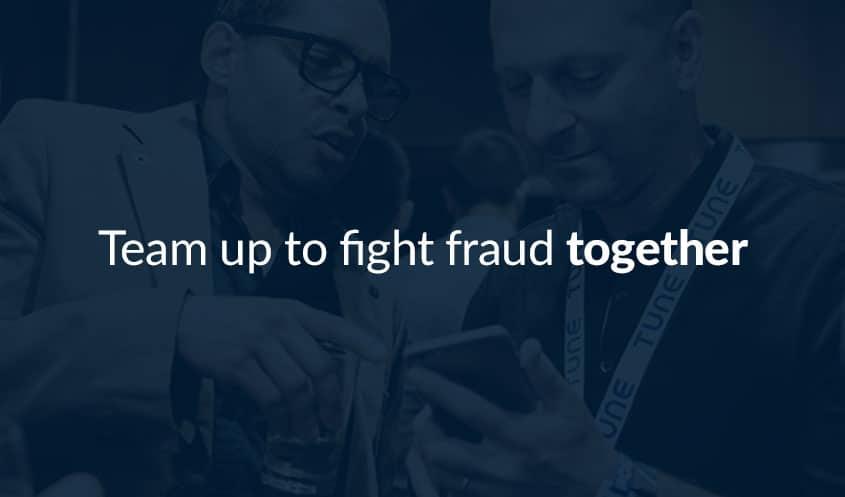
In the quest to forge a formidable fraud prevention team, the significance of clear protocols and collaborative frameworks cannot be overstated. These elements serve as the backbone of a robust defense mechanism, ensuring that each team member is not only aware of their responsibilities but also empowered to act decisively. Establishing a set of well-defined protocols helps in creating a structured approach to identifying, reporting, and mitigating fraudulent activities. This includes delineating roles, setting up reporting hierarchies, and implementing standardized procedures for various scenarios.
Collaboration, on the other hand, transforms individual efforts into a cohesive force. By fostering an environment where communication flows seamlessly across departments, teams can share insights and strategies, thereby amplifying their collective vigilance. Consider implementing regular cross-departmental meetings, workshops, and brainstorming sessions to cultivate a culture of shared knowledge and continuous improvement. By doing so, your team not only stays ahead of potential threats but also builds a resilient framework capable of adapting to evolving challenges.