

In the intricate dance of modern finance, credit risk management stands as the vigilant conductor, orchestrating harmony amidst the cacophony of uncertainty. As businesses navigate the labyrinthine corridors of global markets, the ability to anticipate, assess, and mitigate credit risk becomes not just a strategic advantage, but a necessity for survival. “” emerges as a beacon for financial professionals, offering a comprehensive roadmap through the complex terrain of credit assessment and risk mitigation. With an authoritative voice and a creative lens, this guide unravels the mysteries of credit risk, empowering readers to transform potential pitfalls into opportunities for growth and resilience. Whether you’re a seasoned risk manager or a newcomer to the financial world, this essential guide provides the insights and tools needed to master the art of credit risk management, ensuring that your financial endeavors are not only safeguarded but poised for success.
Understanding the Foundations of Credit Risk
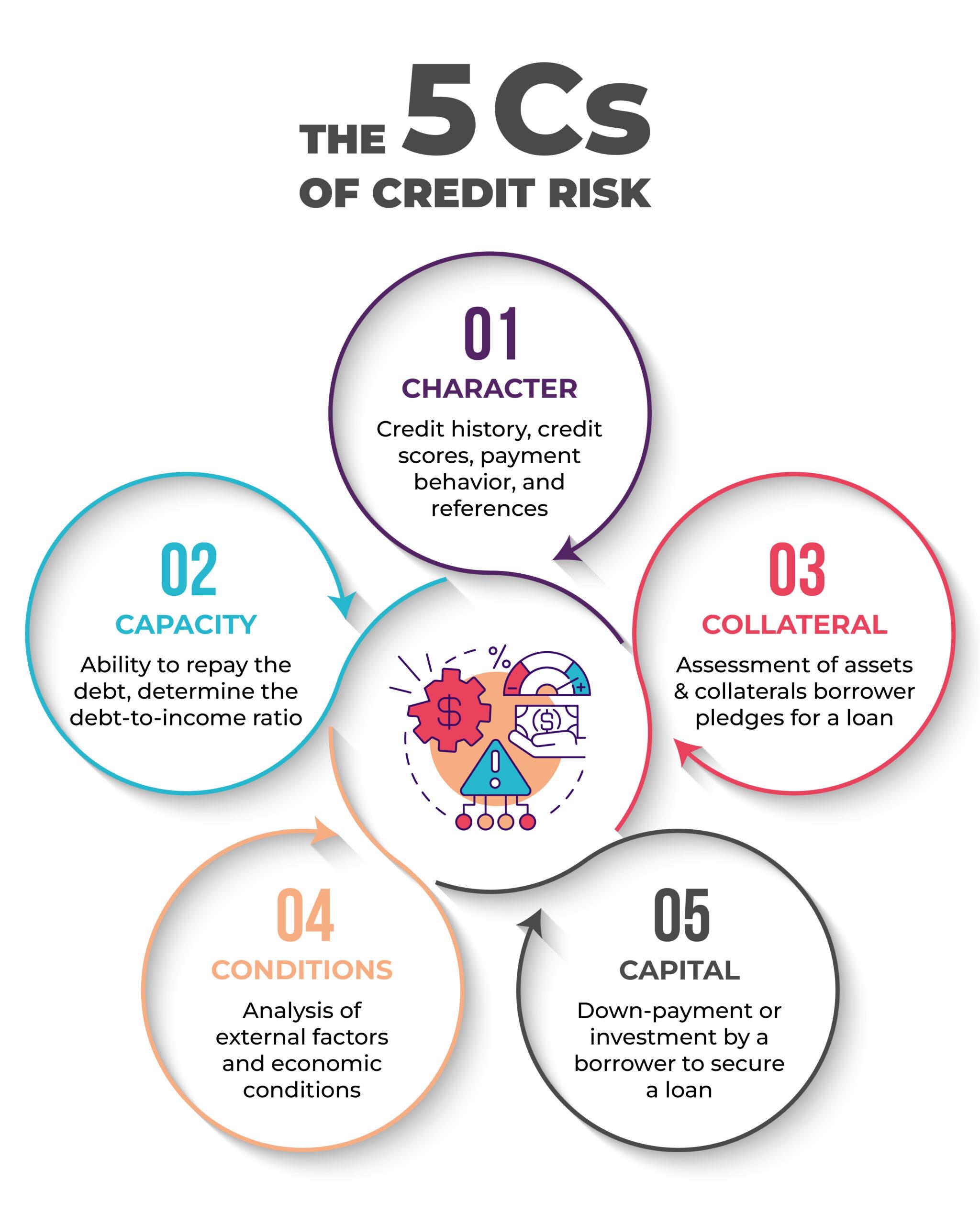
At the heart of effective credit risk management lies a deep understanding of its core principles. This involves recognizing the intricate balance between potential returns and the inherent risks of lending. Credit risk refers to the possibility that a borrower may fail to meet their obligations in accordance with agreed terms. The foundation of managing this risk begins with a comprehensive assessment of a borrower’s creditworthiness, which involves analyzing their financial history, current economic conditions, and potential future trends.
- Credit Analysis: This involves evaluating a borrower’s ability to repay by examining financial statements, credit scores, and repayment history.
- Risk Assessment: Identifying potential risks and their impact on the lending portfolio is crucial. This includes macroeconomic factors, industry-specific risks, and borrower-specific risks.
- Risk Mitigation: Implementing strategies such as diversification, collateral requirements, and credit derivatives to minimize potential losses.
By mastering these foundational elements, financial institutions can craft robust strategies that not only safeguard their assets but also enhance their ability to capitalize on lending opportunities.
Advanced Strategies for Risk Assessment and Mitigation
In the realm of credit risk management, employing advanced strategies for assessing and mitigating risk is crucial for safeguarding financial stability. Quantitative analysis and predictive modeling are at the forefront of these strategies, allowing institutions to foresee potential defaults and adjust their portfolios accordingly. By leveraging big data analytics, companies can identify patterns and correlations that traditional methods might overlook, providing a more comprehensive view of creditworthiness.
Furthermore, integrating machine learning algorithms into risk assessment processes enhances precision by continuously learning from new data and refining predictive accuracy. This dynamic approach not only anticipates risks but also adapts to emerging market trends. Key strategies include:
- Stress Testing: Simulating extreme market conditions to evaluate the resilience of financial portfolios.
- Scenario Analysis: Examining various hypothetical situations to understand potential impacts on credit exposure.
- Portfolio Diversification: Spreading investments across different sectors to minimize risk concentration.
- Credit Scoring Enhancements: Utilizing alternative data sources to refine traditional credit scoring models.
By embracing these advanced methodologies, financial institutions can not only mitigate potential losses but also capitalize on opportunities for growth in an ever-evolving economic landscape.
Leveraging Technology for Enhanced Credit Risk Analysis
In today’s fast-paced financial landscape, harnessing the power of technology is not just an option but a necessity for robust credit risk analysis. Modern financial institutions are increasingly adopting advanced analytics tools and machine learning algorithms to gain deeper insights into borrower behavior and market trends. These technologies enable the processing of vast amounts of data at unprecedented speeds, providing a more nuanced understanding of risk factors and helping to predict potential defaults with greater accuracy.
- Data Integration: Seamlessly integrate diverse data sources, from traditional credit scores to alternative data like social media activity, to build a comprehensive risk profile.
- Real-time Monitoring: Utilize real-time data analytics to continuously monitor credit portfolios, allowing for proactive risk management and timely interventions.
- Predictive Modeling: Leverage predictive models to forecast future credit trends, enhancing decision-making processes and strategic planning.
- Automated Reporting: Streamline reporting processes with automated systems that provide timely and accurate risk assessments, reducing manual errors and improving efficiency.
By embracing these technological advancements, financial institutions can not only mitigate risks more effectively but also enhance their competitive edge in the ever-evolving credit market.
Crafting a Robust Credit Risk Management Framework
In the dynamic world of finance, a well-structured credit risk management framework is not just a safeguard but a strategic advantage. Understanding the multifaceted nature of credit risk is crucial, encompassing borrower default, counterparty risk, and systemic disruptions. To build a robust framework, financial institutions must integrate comprehensive risk assessment tools and predictive analytics. These tools enable the identification of potential risks before they materialize, ensuring that decision-makers are equipped with actionable insights.
Key components of an effective framework include:
- Risk Identification: Utilizing advanced data analytics to detect early warning signals.
- Risk Measurement: Employing quantitative models to evaluate the potential impact of identified risks.
- Risk Mitigation: Developing strategies such as credit derivatives and insurance to manage exposure.
- Continuous Monitoring: Implementing real-time monitoring systems to track changes in credit profiles.
By embedding these elements into the core of their operations, institutions not only safeguard their assets but also enhance their competitive edge in the market.