
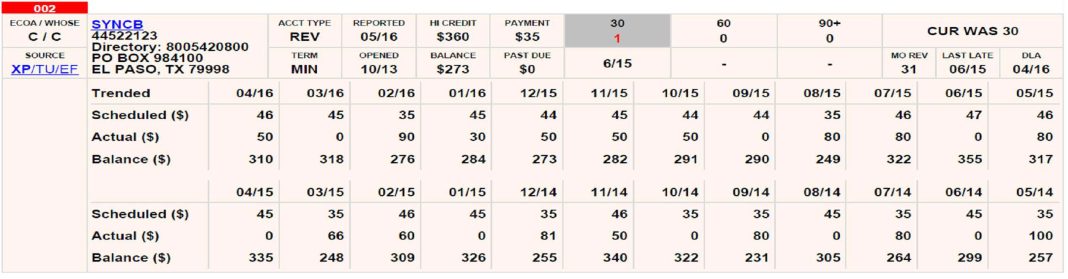

In the bustling marketplace of the digital age, where consumer attention is as fleeting as a tweet, the currency of success is data. Among the vast sea of metrics and analytics, one form of data stands as a beacon for marketers striving to navigate the complexities of modern consumer behavior: credit data. Often perceived as the domain of financial institutions, credit data is now emerging as an indispensable tool in the arsenal of savvy marketers. It offers a nuanced understanding of consumer spending habits, financial health, and lifestyle choices—insights that are pivotal in crafting personalized, impactful marketing campaigns. As we delve into the intricate world of credit data, we uncover why it is not just a supplementary asset but a cornerstone of strategic marketing in today’s competitive landscape. Join us as we explore how leveraging credit data can transform marketing efforts from generic to genius, ensuring brands not only reach their target audience but resonate with them in profound, meaningful ways.
Harnessing Consumer Insights Through Credit Data
In the dynamic landscape of modern marketing, understanding consumer behavior is paramount. Credit data offers a treasure trove of insights that can be leveraged to tailor marketing strategies with precision. By analyzing credit data, marketers can gain a deeper understanding of consumer spending habits, financial stability, and purchasing power. This information is invaluable for creating targeted campaigns that resonate with specific audience segments.
- Personalized Marketing: Credit data allows for the creation of highly personalized marketing messages that align with the financial profiles of consumers.
- Predictive Analysis: By examining credit trends, businesses can predict future purchasing behaviors and adjust their strategies accordingly.
- Risk Assessment: Understanding creditworthiness helps in assessing the potential risk and tailoring offers that minimize financial exposure.
Utilizing these insights, companies can not only enhance customer engagement but also drive higher conversion rates, ensuring that marketing efforts are both effective and efficient.

Enhancing Targeting Precision with Financial Profiles
In the ever-evolving landscape of digital marketing, the ability to pinpoint and engage the right audience is more crucial than ever. Leveraging financial profiles can significantly enhance targeting precision, offering marketers a treasure trove of insights into consumer behavior and purchasing power. By incorporating credit data into your marketing strategies, you can unlock a deeper understanding of your audience, allowing for more personalized and effective campaigns.
- Income Level Insights: Understand the financial capacity of your target audience to tailor your offerings accordingly.
- Spending Habits: Analyze spending patterns to predict future purchasing decisions and craft relevant marketing messages.
- Risk Assessment: Identify potential high-value customers while minimizing risks associated with low-credit profiles.
These financial insights empower marketers to move beyond traditional demographic targeting, creating a more nuanced approach that aligns with the financial realities of their audience. By integrating these data points, businesses can not only enhance their campaign precision but also foster a more meaningful connection with their customers.
Optimizing Campaign Strategies Using Credit Trends
In the ever-evolving landscape of digital marketing, leveraging credit data has emerged as a powerful tool for refining campaign strategies. By analyzing credit trends, marketers can gain invaluable insights into consumer behavior, allowing for more precise targeting and personalization. This approach not only enhances the effectiveness of campaigns but also maximizes return on investment. Consider the following benefits:
- Enhanced Audience Segmentation: Credit data allows marketers to identify and segment audiences based on financial behavior, enabling more tailored messaging.
- Predictive Analytics: By understanding credit trends, businesses can anticipate consumer needs and preferences, staying one step ahead of the competition.
- Risk Mitigation: Utilizing credit data helps in assessing potential risks, ensuring that marketing efforts are directed towards financially viable prospects.
Incorporating credit trends into marketing strategies is not just a trend but a necessity for those aiming to maintain a competitive edge in the market. By aligning marketing efforts with financial insights, businesses can create more relevant and impactful campaigns that resonate with their target audience.
Maximizing ROI by Integrating Credit Analytics
Incorporating credit analytics into your marketing strategy is a game-changer for businesses aiming to boost their return on investment. By leveraging credit data, marketers can gain profound insights into consumer behavior, allowing for more targeted and effective campaigns. This approach not only refines audience segmentation but also enhances predictive modeling, ensuring that marketing efforts are directed towards high-potential leads. With the power of credit analytics, companies can:
- Identify creditworthy prospects who are more likely to convert and engage with your offerings.
- Tailor marketing messages that resonate with the financial profiles of your target audience.
- Optimize budget allocation by focusing resources on segments with the highest potential ROI.
By integrating these insights, businesses can not only improve their marketing efficiency but also cultivate a deeper understanding of their customer base. This strategic use of credit data ensures that marketing initiatives are not just creative, but also financially astute, driving measurable results in a competitive marketplace.