

In the intricate world of finance, where numbers tell stories and balance sheets whisper secrets, understanding credit risk is akin to deciphering a complex code. At the heart of this enigma lies a powerful tool: financial ratios. These ratios, often overlooked by the untrained eye, serve as the compass guiding investors, lenders, and analysts through the turbulent seas of financial decision-making. In this article, we will unravel the mysteries of financial ratios, exploring how they can be wielded with precision to assess credit risk. With an authoritative lens, we will delve into the nuances of these numerical indicators, transforming abstract figures into tangible insights. Whether you’re a seasoned financial expert or a curious newcomer, prepare to embark on a journey that will enhance your understanding of credit risk and empower your financial acumen.
Analyzing Liquidity Ratios for Immediate Solvency Insights
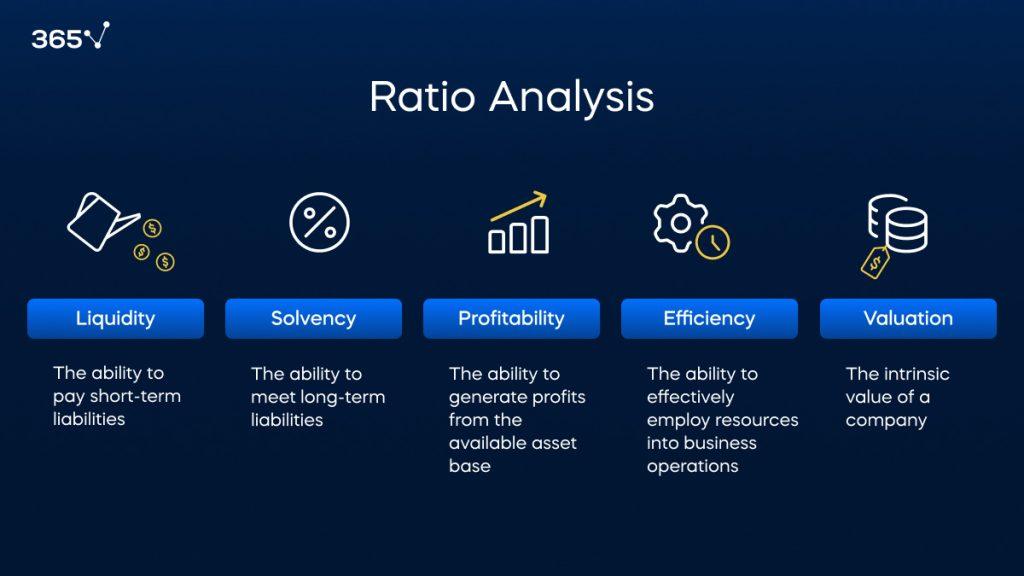
Liquidity ratios are pivotal in assessing a company’s capacity to meet its short-term obligations, offering a snapshot of its immediate financial health. These ratios, such as the current ratio, quick ratio, and cash ratio, provide insights into how effectively a company can convert its assets into cash to cover liabilities. A higher liquidity ratio generally indicates a robust ability to pay off debts, thus lowering credit risk.
- Current Ratio: Measures the company’s ability to cover its current liabilities with its current assets. A ratio above 1 is typically seen as favorable.
- Quick Ratio: Also known as the acid-test ratio, it excludes inventory from current assets, providing a stricter measure of liquidity.
- Cash Ratio: The most conservative ratio, it considers only cash and cash equivalents against current liabilities.
Understanding these ratios enables investors and creditors to make informed decisions, predicting potential liquidity issues before they escalate. Mastering liquidity analysis is essential for anyone looking to gauge a company’s financial resilience and creditworthiness effectively.

Decoding Profitability Ratios to Assess Long-term Financial Health
Understanding profitability ratios is crucial for evaluating a company’s ability to generate earnings relative to its revenue, assets, equity, and other financial metrics. These ratios provide insights into the long-term financial health of a business, helping to determine its creditworthiness. Key profitability ratios include:
- Gross Profit Margin: This ratio measures the percentage of revenue that exceeds the cost of goods sold. A higher margin indicates efficient production and strong pricing strategies.
- Operating Profit Margin: By assessing the earnings before interest and taxes, this ratio highlights the company’s operational efficiency and its ability to cover operational costs.
- Net Profit Margin: This is the ultimate measure of profitability, showing the percentage of revenue that translates into actual profit after all expenses, taxes, and interest.
- Return on Assets (ROA): This ratio indicates how effectively a company is using its assets to generate profit, with a higher ROA signifying more efficient asset utilization.
- Return on Equity (ROE): By measuring the return generated on shareholders’ equity, this ratio provides insights into how well a company is using investors’ funds to generate growth.
Analyzing these ratios allows stakeholders to gauge the sustainability of a company’s earnings and its ability to meet long-term obligations, ultimately assessing its potential credit risk.

Leveraging Debt Ratios to Evaluate Borrowing Capacity
Understanding a company’s borrowing capacity is crucial for assessing its credit risk, and debt ratios are indispensable tools in this evaluation. These ratios provide insights into how a company manages its debt relative to its assets, equity, and income. By examining these metrics, investors and lenders can gauge whether a company is over-leveraged or maintaining a healthy balance between debt and other financial resources.
Key debt ratios to consider include:
- Debt-to-Equity Ratio: This ratio compares a company’s total liabilities to its shareholder equity, offering a snapshot of financial leverage.
- Debt-to-Asset Ratio: By dividing total debt by total assets, this ratio indicates the proportion of a company’s assets financed by debt.
- Interest Coverage Ratio: Calculated by dividing earnings before interest and taxes (EBIT) by interest expenses, this ratio assesses a company’s ability to pay interest on its outstanding debt.
Each of these ratios serves as a lens through which the sustainability of a company’s debt levels can be viewed, enabling a more informed decision-making process regarding credit risk.

Interpreting Efficiency Ratios for Operational Risk Assessment
Efficiency ratios serve as critical indicators of how well a company manages its resources, offering insights into potential operational risks. These ratios, such as the inventory turnover ratio, receivables turnover ratio, and asset turnover ratio, reveal the speed and effectiveness with which a company can convert its resources into revenue. A high inventory turnover ratio, for example, suggests that a company efficiently manages its stock, reducing the risk of obsolescence and storage costs. Conversely, a low ratio might indicate overstocking or sluggish sales, which could pose a risk to operational fluidity and financial health.
In assessing operational risk, consider the following efficiency ratios:
- Inventory Turnover Ratio: Measures how quickly inventory is sold and replaced over a period. High turnover implies efficient management, while low turnover could signal issues.
- Receivables Turnover Ratio: Evaluates how effectively a company collects its debts. A higher ratio indicates efficient credit and collections processes, reducing the risk of bad debts.
- Asset Turnover Ratio: Assesses how well a company uses its assets to generate sales. A higher ratio suggests optimal asset utilization, minimizing the risk of underperformance.
Understanding these ratios allows stakeholders to identify potential inefficiencies that could escalate into significant operational risks, thereby enabling proactive risk management strategies.