

In the digital age, where convenience reigns supreme and transactions are completed with a mere tap or click, an insidious threat lurks beneath the surface of our everyday financial interactions. Payment fraud, a specter once relegated to the fringes of commerce, has stealthily woven itself into the fabric of our online lives, preying on the unsuspecting and the vigilant alike. The alarming ease with which individuals can fall victim to these cunning schemes is a testament to the sophisticated tactics employed by fraudsters who exploit our trust and reliance on digital platforms. In this exposé, we delve into the chilling reality of payment fraud, unraveling the complex web of deception that ensnares millions each year, and equipping you with the knowledge to safeguard your financial well-being in an increasingly perilous landscape. Prepare to uncover the unsettling truth about how vulnerable we truly are, and arm yourself against the ever-evolving menace of payment fraud.
Understanding the Deceptive Tactics Behind Payment Fraud
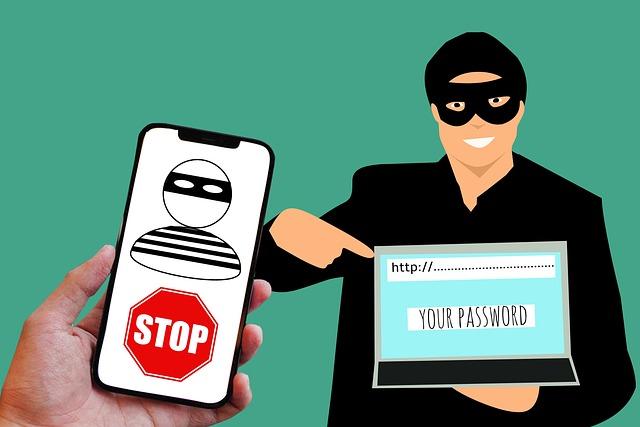
In the shadowy world of payment fraud, cybercriminals employ a variety of cunning strategies designed to exploit both technological vulnerabilities and human psychology. Phishing is a classic example, where fraudsters masquerade as legitimate entities, luring victims into revealing sensitive information. Spoofed emails and fake websites are crafted with meticulous detail, often indistinguishable from the real thing. Another common tactic is social engineering, where fraudsters manipulate individuals into divulging confidential data through seemingly innocuous interactions.
- Man-in-the-Middle Attacks: Intercepting communications between two parties to steal data.
- Card Skimming: Using hidden devices to capture card information during legitimate transactions.
- Account Takeover: Gaining unauthorized access to an account to conduct fraudulent transactions.
These deceptive methods are not just about technology; they prey on trust and complacency. The ease with which fraudsters can execute these schemes is alarming, underscoring the need for vigilance and robust security measures. Understanding these tactics is the first step in fortifying defenses against such insidious threats.
Recognizing the Red Flags: Key Indicators of Fraudulent Transactions
In the intricate web of payment fraud, vigilance is your best defense. Understanding the key indicators of fraudulent transactions can save you from potential financial pitfalls. Keep an eye out for these telltale signs:
- Unusual Spending Patterns: Transactions that deviate significantly from your usual spending habits, such as large purchases or international transactions, can be a red flag.
- Suspicious Email Addresses: Be wary of communications from email addresses that appear to be slightly altered versions of legitimate ones.
- Urgent Requests for Payment: Fraudsters often create a sense of urgency to pressure you into making hasty decisions without proper verification.
- Requests for Personal Information: Legitimate companies will never ask for sensitive information like passwords or social security numbers via email or phone.
- Inconsistent Billing Information: Discrepancies in billing addresses or contact information can indicate a fraudulent transaction.
By recognizing these red flags, you can take proactive steps to protect yourself and your finances from the ever-evolving tactics of fraudsters. Stay informed, stay alert, and safeguard your transactions.
Safeguarding Your Finances: Essential Strategies to Prevent Payment Fraud
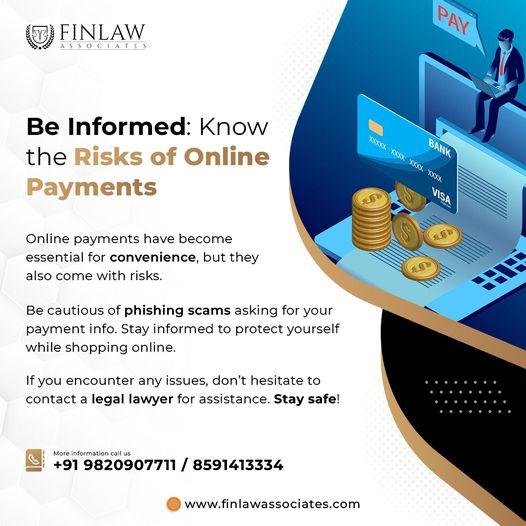
In today’s digital age, protecting your finances requires vigilance and strategic action. The first line of defense against payment fraud is understanding the tactics used by fraudsters. Awareness is key, as scammers often employ sophisticated methods that can easily deceive even the most cautious individuals. To fortify your defenses, consider implementing the following strategies:
- Regularly Monitor Accounts: Make it a habit to frequently check your bank and credit card statements for any unauthorized transactions. Early detection is crucial in mitigating potential losses.
- Use Strong, Unique Passwords: Create complex passwords for your financial accounts and change them regularly. Avoid using the same password across multiple sites to reduce vulnerability.
- Enable Two-Factor Authentication (2FA): This additional layer of security requires not only a password but also a second form of verification, making it significantly harder for fraudsters to gain access.
- Be Cautious with Public Wi-Fi: Avoid conducting financial transactions over public Wi-Fi networks, as they are often less secure and can be easily exploited by cybercriminals.
- Educate Yourself and Others: Stay informed about the latest fraud schemes and share this knowledge with family and friends to create a community of well-informed individuals.
By adopting these essential strategies, you can significantly reduce the risk of falling victim to payment fraud, safeguarding your hard-earned money and maintaining peace of mind.
Empowering Consumers: Tools and Resources for Fraud Protection
In today’s digital age, safeguarding yourself against payment fraud is not just an option—it’s a necessity. Fortunately, there are a plethora of tools and resources designed to arm consumers with the knowledge and defenses needed to combat this growing threat. Fraud detection apps and secure payment gateways are just the tip of the iceberg. Many financial institutions offer real-time alerts for suspicious activities, empowering consumers to act swiftly.
- Identity Theft Protection Services: These services monitor your personal information across various platforms and alert you to any unauthorized use.
- Credit Monitoring Tools: Keep a vigilant eye on your credit report and score, helping you spot any unusual changes that might indicate fraud.
- Two-Factor Authentication (2FA): Adding an extra layer of security to your accounts, 2FA makes it significantly harder for fraudsters to gain access.
Additionally, educational resources such as online courses and webinars are available to enhance your understanding of fraud tactics and prevention strategies. By leveraging these tools, consumers can take proactive steps to protect their financial well-being and outsmart even the most cunning fraudsters.
To Wrap It Up
As we close the chapter on the unsettling realities of payment fraud, it’s crucial to remember that awareness is our first line of defense. The digital landscape, while brimming with opportunities, is also fraught with hidden perils. Each click, each transaction, is a potential gateway for deception. But armed with knowledge and vigilance, we can navigate these treacherous waters with confidence. Stay informed, stay alert, and most importantly, stay secure. The battle against payment fraud is ongoing, but together, we can turn the tide. Remember, in the world of digital finance, your best ally is an informed mind.