

In the ever-evolving landscape of global finance, the only constant is change. Over the past few decades, the world has witnessed seismic shifts in the way financial markets operate, driven by technological advancements, geopolitical dynamics, and economic crises. As nations grapple with the complexities of interconnected economies, the framework of global financial regulation has undergone significant transformation. This metamorphosis is not merely a response to past failures but a proactive stride towards a more resilient and equitable financial system. In this article, we delve into the intricate tapestry of global financial regulation, unraveling the threads of change that have redefined the rules of the game. With an authoritative lens, we explore the pivotal developments that have reshaped regulatory landscapes, ensuring that the global financial system is not only robust but also adaptable to the challenges of tomorrow. Join us as we navigate the corridors of power and policy, illuminating the path towards understanding what has truly changed in the realm of global financial regulation.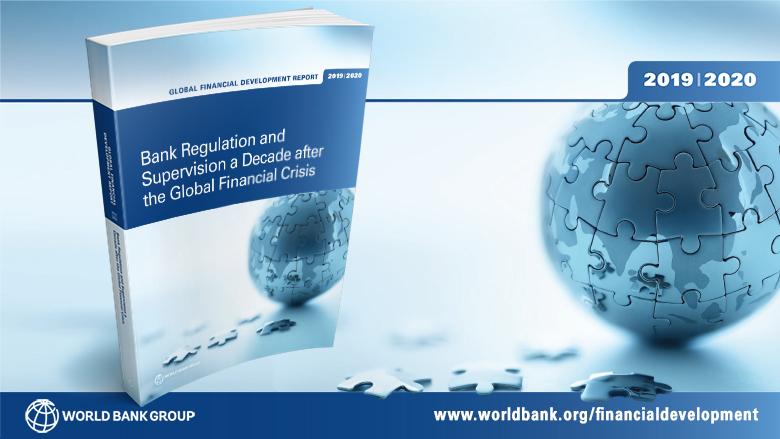
Evolving Frameworks and New Paradigms in Global Finance
In the dynamic landscape of global finance, regulatory frameworks are undergoing a profound transformation. The emergence of digital currencies, the integration of blockchain technology, and the growing emphasis on sustainable finance are reshaping the way regulations are crafted and implemented. As financial systems become more interconnected, there is a heightened focus on creating frameworks that are not only robust but also adaptable to the rapid pace of technological advancements.
- Decentralization: With the rise of decentralized finance (DeFi), traditional regulatory approaches are being challenged, prompting a shift towards more flexible and inclusive models.
- Cross-Border Collaboration: Nations are increasingly working together to harmonize regulations, recognizing the need for a unified approach to tackle global financial risks.
- Technological Integration: Regulators are leveraging advanced technologies like AI and machine learning to enhance surveillance and compliance mechanisms.
These evolving frameworks signify a move towards a more resilient and transparent global financial system, where innovation is balanced with stringent oversight to safeguard against systemic risks.
Decoding the Impact of Technological Advancements on Financial Regulation
The rapid pace of technological innovation has significantly reshaped the landscape of financial regulation, presenting both challenges and opportunities for regulators worldwide. As digital currencies, blockchain, and artificial intelligence continue to evolve, financial institutions are compelled to adapt to a new era of compliance and oversight. Regulators are now tasked with balancing the promotion of innovation while ensuring that the financial system remains secure and stable. This has led to the emergence of new regulatory frameworks that are more dynamic and flexible, designed to address the unique characteristics of digital assets and fintech solutions.
Key areas of transformation include:
- Real-time Monitoring: The use of AI and machine learning enables regulators to monitor transactions in real-time, allowing for quicker detection of fraudulent activities.
- Decentralized Finance (DeFi): As DeFi platforms grow, regulators are developing new approaches to oversee these decentralized systems, ensuring they adhere to anti-money laundering (AML) and know your customer (KYC) regulations.
- Data Privacy and Security: With the increase in digital transactions, protecting consumer data has become paramount, prompting stricter data protection regulations.
In this ever-evolving environment, the ability to swiftly adapt to technological advancements is crucial for both regulators and financial institutions, ensuring that the global financial system remains robust and resilient.

Navigating the Complexities of Cross-Border Regulatory Cooperation
In today’s interconnected financial landscape, the challenge of aligning diverse regulatory frameworks across borders has never been more critical. Financial institutions must navigate a labyrinth of rules that vary not only by country but often by region within a country. This complexity is compounded by the fact that regulatory bodies are continuously evolving their standards in response to emerging risks and technological advancements. Cross-border regulatory cooperation has thus become a cornerstone of effective global financial governance. By fostering collaboration, countries can better manage systemic risks, enhance market stability, and ensure that financial entities operate on a level playing field.
- Harmonization of Standards: Efforts are being made to align regulatory standards, such as those concerning anti-money laundering (AML) and counter-terrorism financing (CTF), to prevent regulatory arbitrage.
- Information Sharing: Enhanced mechanisms for sharing data and intelligence between regulatory bodies are crucial for identifying and mitigating cross-border financial threats.
- Technological Integration: Leveraging technology, such as blockchain and AI, can streamline compliance processes and improve transparency in international transactions.
These initiatives, while promising, require a delicate balance between national sovereignty and international cooperation. As the financial world continues to shrink, the need for robust, cooperative regulatory frameworks will only grow, demanding innovative solutions and unwavering commitment from all stakeholders involved.

Strategic Recommendations for Future-Proofing Financial Institutions
In an era where financial landscapes are constantly evolving, institutions must adopt robust strategies to remain resilient and compliant. Here are key recommendations to ensure longevity and adaptability:
- Embrace Technological Innovation: Leverage cutting-edge technologies such as blockchain, AI, and machine learning to streamline operations and enhance security measures.
- Enhance Regulatory Compliance: Develop a proactive compliance culture by investing in comprehensive training programs and adopting advanced regulatory technologies (RegTech) to stay ahead of changing laws.
- Strengthen Risk Management: Implement dynamic risk assessment frameworks that can quickly adapt to new threats and regulatory requirements, ensuring the institution’s stability.
- Foster Strategic Partnerships: Collaborate with fintech companies and other financial entities to drive innovation and share insights on regulatory trends.
By integrating these strategies, financial institutions can not only navigate the complexities of global regulation but also position themselves as leaders in the industry.