
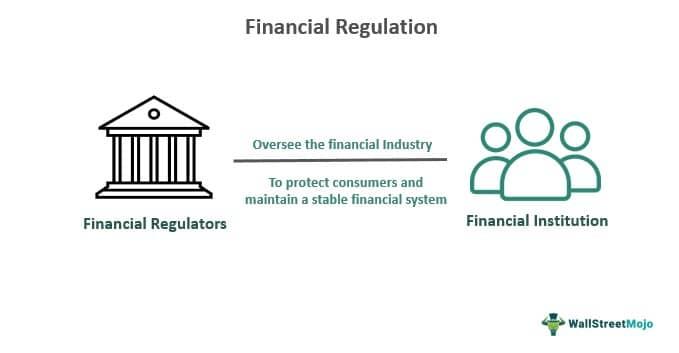

In the rapidly shifting landscape of the 21st century, where bytes and algorithms have become the new currency, the world of finance finds itself at a pivotal crossroads. As digital innovation accelerates at an unprecedented pace, financial regulations are evolving to keep stride with this brave new world. Gone are the days when traditional banking institutions held the monopoly on financial transactions. Today, fintech startups, blockchain technologies, and digital currencies are rewriting the rules of the game, challenging regulators to adapt with agility and foresight. This article delves into the intricate dance between technological advancement and regulatory frameworks, exploring how financial regulations are being reimagined to safeguard stability while fostering innovation in the digital age. With a keen eye on both opportunities and challenges, we navigate the complexities of this evolution, offering a comprehensive guide to understanding the future of financial oversight in an era defined by digital transformation.
Navigating the New Frontier of Digital Financial Regulations
In an era where digital transformation is reshaping every corner of the financial landscape, regulators are faced with the daunting task of keeping pace with innovation while safeguarding consumer interests. The rise of fintech, blockchain, and cryptocurrencies has introduced a myriad of challenges and opportunities, prompting a significant evolution in regulatory frameworks. To effectively manage these dynamic changes, regulatory bodies are increasingly adopting a proactive and adaptive approach. This involves:
- Embracing Technology: Leveraging advanced technologies like AI and machine learning to enhance regulatory compliance and monitoring.
- Collaborative Efforts: Encouraging partnerships between regulators, financial institutions, and tech companies to foster a more inclusive regulatory environment.
- Global Coordination: Harmonizing regulations across borders to manage the global nature of digital finance effectively.
By focusing on these strategies, regulators aim to create a balanced ecosystem that nurtures innovation while maintaining robust consumer protections. As the digital age continues to evolve, the regulatory landscape will undoubtedly continue to transform, striving to meet the demands of an increasingly interconnected world.

Harnessing Technology to Strengthen Compliance and Security
In today’s rapidly evolving digital landscape, financial institutions are leveraging cutting-edge technologies to enhance their compliance and security frameworks. The integration of artificial intelligence (AI) and machine learning (ML) has revolutionized the way organizations monitor transactions and detect fraudulent activities. These technologies enable real-time analysis of vast datasets, identifying anomalies and potential threats with unprecedented accuracy. Moreover, blockchain technology is being adopted to ensure transparency and immutability in financial records, significantly reducing the risk of data tampering and fraud.
To further bolster compliance efforts, institutions are increasingly relying on RegTech solutions that automate regulatory reporting and risk management processes. These tools not only streamline operations but also ensure that organizations remain up-to-date with the latest regulatory requirements. Key benefits of adopting these technologies include:
- Enhanced data security: Advanced encryption and authentication methods protect sensitive information from unauthorized access.
- Improved efficiency: Automation reduces manual errors and accelerates compliance procedures.
- Cost-effectiveness: Reducing the need for extensive human oversight lowers operational costs.
- Proactive risk management: Predictive analytics help anticipate and mitigate potential compliance risks before they escalate.
By harnessing these technological advancements, financial institutions are not only safeguarding their operations but also building trust with their clients and regulators in an increasingly digital world.
Adapting to Change: Strategies for Financial Institutions in a Digital World
In the ever-evolving landscape of the digital world, financial regulations are undergoing significant transformations to keep pace with technological advancements. Financial institutions must now navigate a complex web of compliance requirements that are being reshaped by innovations such as blockchain, artificial intelligence, and digital currencies. As regulators strive to maintain market integrity and protect consumers, they are increasingly focusing on areas such as:
- Data Privacy and Security: With the rise of digital banking, protecting customer data has become paramount. Regulations like the GDPR and CCPA are setting new standards for data protection, compelling institutions to adopt robust cybersecurity measures.
- Anti-Money Laundering (AML): Enhanced scrutiny is being placed on transactions to combat financial crimes. Financial institutions are leveraging AI and machine learning to detect suspicious activities more efficiently.
- Cryptocurrency Regulation: As digital currencies gain traction, regulatory bodies are crafting new frameworks to address their unique challenges, ensuring transparency and reducing risks associated with their use.
By staying informed and proactive, financial institutions can not only comply with these evolving regulations but also leverage them as opportunities to innovate and build trust with their customers.
Future-Proofing Financial Regulations with Innovative Policy Approaches
In the rapidly evolving landscape of digital finance, regulatory frameworks must adapt to address emerging challenges and opportunities. Innovative policy approaches are crucial for ensuring that financial regulations remain relevant and effective. Dynamic regulatory sandboxes are one such approach, allowing financial institutions to experiment with new technologies under the supervision of regulators. This not only fosters innovation but also helps regulators understand the implications of new financial products and services.
Moreover, collaborative policy-making is gaining traction, where regulators, industry stakeholders, and tech innovators work together to co-create regulations. This inclusive approach ensures that diverse perspectives are considered, leading to more comprehensive and forward-thinking regulations. Additionally, the use of RegTech solutions—technology designed to streamline compliance processes—enables regulators to monitor financial activities in real-time, reducing the risk of fraud and enhancing transparency. By embracing these innovative strategies, financial regulations can effectively navigate the complexities of the digital age.
- Dynamic regulatory sandboxes
- Collaborative policy-making
- RegTech solutions