


In the ever-evolving landscape of digital marketing, where algorithms reign supreme and consumer attention is the most coveted currency, the key to unlocking unprecedented levels of engagement and conversion lies in a resource often overlooked: credit data. As the digital age propels us into a future where personalization is not just preferred but expected, credit data emerges as the linchpin for crafting hyper-targeted marketing strategies that resonate with precision. With an unparalleled ability to reveal consumer behavior, preferences, and financial potential, credit data is poised to revolutionize the way brands connect with their audiences. This article delves into the transformative power of credit data, exploring why it is not just a tool, but the cornerstone of future-forward marketing strategies that promise to redefine success in the digital marketplace.
Harnessing the Power of Credit Data for Precision Marketing
In the evolving landscape of digital marketing, leveraging credit data has emerged as a game-changer for precision targeting. Credit data offers a treasure trove of insights that can be harnessed to create highly personalized marketing campaigns. By understanding a consumer’s credit behavior, marketers can segment audiences more effectively, ensuring that the right message reaches the right person at the right time. This not only enhances customer engagement but also optimizes marketing spend by focusing efforts on the most promising leads.
- Enhanced Customer Segmentation: Use credit scores to identify and target high-value customers.
- Personalized Messaging: Tailor marketing messages based on credit profiles to increase relevance and conversion rates.
- Risk Assessment: Predict potential financial behaviors to minimize risk and maximize returns.
By integrating credit data into your marketing strategy, you can transform raw information into actionable insights, driving not only increased sales but also fostering long-term customer loyalty. As the digital marketing sphere becomes increasingly competitive, the strategic use of credit data stands as a pivotal tool for those looking to stay ahead of the curve.
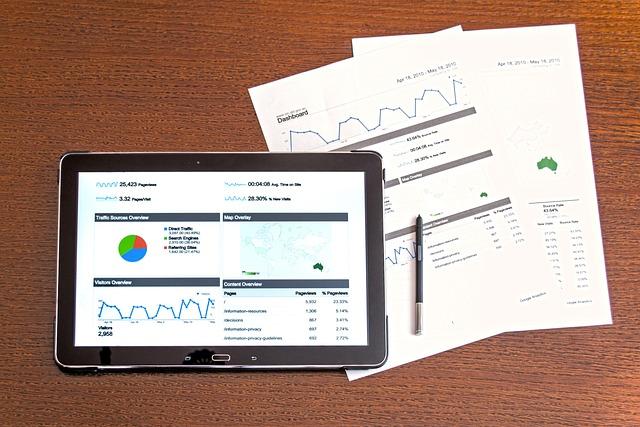
Unveiling Consumer Patterns Through Credit Insights
In the ever-evolving landscape of marketing, understanding consumer behavior is paramount. Credit data offers a treasure trove of insights that can transform how businesses approach targeted marketing. By analyzing credit scores, payment histories, and spending patterns, marketers can craft highly personalized campaigns that resonate with individual consumers. This approach not only enhances customer engagement but also boosts conversion rates, as businesses can tailor their offerings to match the financial habits and preferences of their target audience.
Key Benefits of Leveraging Credit Data in Marketing:
- Precision Targeting: Identify and reach the right audience with unparalleled accuracy.
- Enhanced Personalization: Craft messages and offers that align with consumers’ financial behaviors.
- Risk Mitigation: Assess creditworthiness to minimize potential financial risks in customer acquisition.
- Increased ROI: Optimize marketing spend by focusing on high-potential consumer segments.

Crafting Personalized Campaigns with Credit-Based Strategies
In the ever-evolving landscape of digital marketing, leveraging credit data offers a revolutionary approach to crafting campaigns that resonate on a personal level. By integrating credit-based strategies, marketers can unlock a treasure trove of insights that reveal not just the purchasing power of consumers, but also their spending habits and financial behaviors. This data allows for the creation of highly tailored marketing messages that speak directly to the needs and preferences of individual consumers, fostering a deeper connection and driving engagement.
- Enhanced Targeting: Credit data provides a nuanced understanding of consumer segments, enabling marketers to identify and target high-value prospects with precision.
- Behavioral Insights: Understanding credit behaviors allows brands to anticipate consumer needs and tailor offers that align with their financial capabilities.
- Improved ROI: By focusing on credit-informed strategies, campaigns can achieve higher conversion rates, ensuring that marketing budgets are utilized effectively.
With these advantages, credit data is not just a tool but a strategic asset in the marketer’s arsenal, paving the way for campaigns that are not only personalized but also impactful.

Maximizing ROI by Integrating Credit Data into Marketing Plans
In the evolving landscape of digital marketing, leveraging credit data has emerged as a game-changer for maximizing return on investment. By integrating this rich source of information into marketing strategies, businesses can gain a deeper understanding of consumer behavior and financial capacity. This allows for the creation of highly targeted campaigns that resonate with the right audience, ultimately driving conversion rates and enhancing customer loyalty.
- Enhanced Targeting: Credit data provides insights into consumer creditworthiness, enabling marketers to tailor offers to those most likely to engage.
- Risk Mitigation: By understanding the financial stability of potential customers, businesses can minimize risks associated with extending credit or promotional offers.
- Improved Personalization: Utilizing credit data allows for the crafting of personalized marketing messages that align with individual financial profiles, fostering a sense of trust and relevance.
Strategic use of credit data not only sharpens the focus of marketing efforts but also optimizes resource allocation, ensuring that every dollar spent contributes to achieving the highest possible ROI. As businesses strive to stay ahead in a competitive market, embracing this data-driven approach is not just advantageous—it’s essential.
In Conclusion
As we stand on the precipice of a new era in targeted marketing, the significance of credit data emerges as a beacon guiding businesses toward unprecedented precision and personalization. This transformative resource, when harnessed ethically and intelligently, offers a glimpse into the intricate tapestry of consumer behavior, preferences, and potential. It empowers marketers to transcend traditional boundaries, crafting campaigns that resonate on a deeply personal level while driving measurable results.
Yet, with great power comes great responsibility. The future of targeted marketing hinges not only on the ability to leverage credit data but also on the commitment to uphold privacy, security, and trust. As stewards of this powerful tool, marketers must navigate the delicate balance between innovation and integrity, ensuring that the use of credit data enriches the consumer experience rather than exploits it.
In embracing credit data, we are not merely adapting to the future; we are actively shaping it. By fostering a landscape where data-driven insights meet ethical practices, we can unlock a new frontier of marketing potential—one that promises to be as rewarding for businesses as it is respectful of the individuals they serve. As we look ahead, let us do so with a vision that is as clear as it is conscientious, paving the way for a future where targeted marketing is not just smarter, but also more human.