

In the intricate dance of finance, cash flow serves as the rhythm that guides the steps of every business. It is the lifeblood that pulses through the veins of enterprises, dictating their capacity to thrive, adapt, and ultimately, survive. Yet, in the realm of credit risk decisions, cash flow analysis often remains an underutilized art, overshadowed by traditional metrics and overshadowed by complex algorithms. This article seeks to illuminate the path to mastering cash flow analysis, transforming it from a mere financial statement into a powerful tool for discerning creditworthiness. By delving into the nuances of cash flow, we will unravel its secrets and empower you to make informed, strategic decisions that safeguard your investments and foster sustainable growth. Join us as we explore the symbiotic relationship between cash flow and credit risk, and unlock the potential to navigate the financial landscape with confidence and precision.
Understanding Cash Flow Dynamics for Risk Assessment
In the realm of credit risk assessment, a profound comprehension of cash flow dynamics is paramount. Cash flow, the lifeblood of any business, reveals the financial health and operational efficiency of an entity. By scrutinizing cash flow statements, credit analysts can discern patterns and anomalies that might indicate potential risks or opportunities. Operating cash flow serves as a crucial indicator of a company’s ability to generate sufficient revenue to cover its expenses, whereas investing cash flow provides insights into the firm’s growth strategies and asset management. Furthermore, financing cash flow sheds light on the company’s capital structure and its reliance on external funding.
When analyzing cash flow for credit risk decisions, consider the following key elements:
- Cash Flow Trends: Evaluate historical cash flow patterns to identify consistent growth or alarming fluctuations.
- Liquidity Position: Assess the liquidity by examining the ratio of operating cash flow to current liabilities.
- Debt Servicing Capability: Determine the company’s ability to meet its debt obligations through cash flow analysis.
- Capital Expenditure: Investigate the impact of capital investments on future cash flows and potential returns.
By delving into these components, credit analysts can form a more comprehensive view of a company’s financial resilience, ultimately leading to more informed and strategic credit risk decisions.
Identifying Key Indicators in Cash Flow Statements
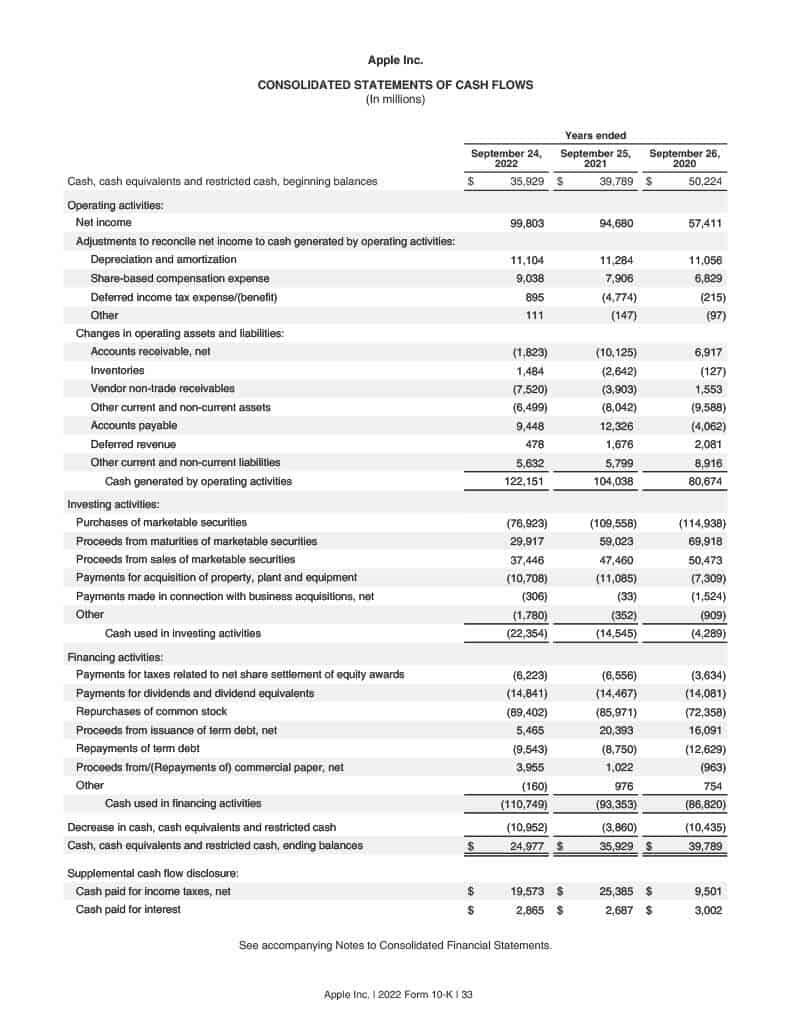
When delving into cash flow statements, it’s crucial to pinpoint the key indicators that signal a company’s financial health and its ability to meet obligations. One of the primary indicators is the operating cash flow, which reflects the cash generated from a company’s core business operations. A consistent positive operating cash flow suggests that the company can maintain and grow its operations without relying on external financing. Conversely, a negative figure might indicate potential liquidity issues.
Another essential indicator is the free cash flow, which measures the cash available after capital expenditures. This metric provides insight into the company’s capacity to fund expansion, pay dividends, or reduce debt. Additionally, consider the cash flow from financing activities. A company heavily reliant on debt financing might face heightened credit risk, especially if its operating cash flow doesn’t support its debt obligations. By focusing on these indicators, you can make more informed credit risk decisions, ensuring a balanced and comprehensive evaluation.
- Operating Cash Flow: Indicator of core business performance.
- Free Cash Flow: Cash available after investments in capital.
- Cash Flow from Financing: Insight into debt reliance and financial strategy.

Leveraging Cash Flow Analysis to Predict Creditworthiness
Understanding the nuances of cash flow analysis can significantly enhance the accuracy of credit risk assessments. By delving into the intricacies of cash inflows and outflows, financial analysts can gauge a company’s liquidity and operational efficiency. Key indicators such as operating cash flow, free cash flow, and cash flow from financing activities provide a comprehensive picture of a business’s financial health. This detailed scrutiny allows lenders to identify potential red flags, such as irregular cash patterns or a dependency on external financing, which might indicate underlying vulnerabilities.
To effectively leverage cash flow analysis, consider focusing on the following aspects:
- Consistency: Regular cash flow patterns suggest stability, while erratic flows may warrant a deeper investigation.
- Liquidity: Adequate cash reserves indicate a company’s ability to meet short-term obligations without financial strain.
- Growth Potential: Positive cash flow trends can signal a company’s capacity for growth and expansion.
Incorporating these elements into your credit risk evaluation process can transform cash flow analysis from a mere financial snapshot into a predictive tool for assessing creditworthiness.
Implementing Strategic Measures for Enhanced Credit Risk Management
In the realm of credit risk management, the ability to scrutinize cash flow statements with precision is indispensable. By adopting strategic measures, financial institutions can significantly enhance their risk assessment processes. Key considerations in analyzing cash flow include understanding the nuances of operational, investing, and financing activities. These elements provide a comprehensive view of a company’s liquidity and its ability to meet short-term obligations.
- Operational Cash Flow: Evaluate the consistency and sustainability of cash generated from core business operations. This indicates the firm’s efficiency in generating revenue and controlling expenses.
- Investing Cash Flow: Assess capital expenditures and investment activities to determine how resources are allocated for growth and expansion.
- Financing Cash Flow: Analyze debt and equity financing to understand the company’s capital structure and its approach to managing leverage.
By integrating these insights into the credit risk framework, organizations can not only anticipate potential financial distress but also tailor their lending strategies to mitigate risk effectively. Empowering decision-makers with detailed cash flow analysis fortifies the foundation for more informed credit risk decisions, ultimately enhancing the resilience of the financial portfolio.