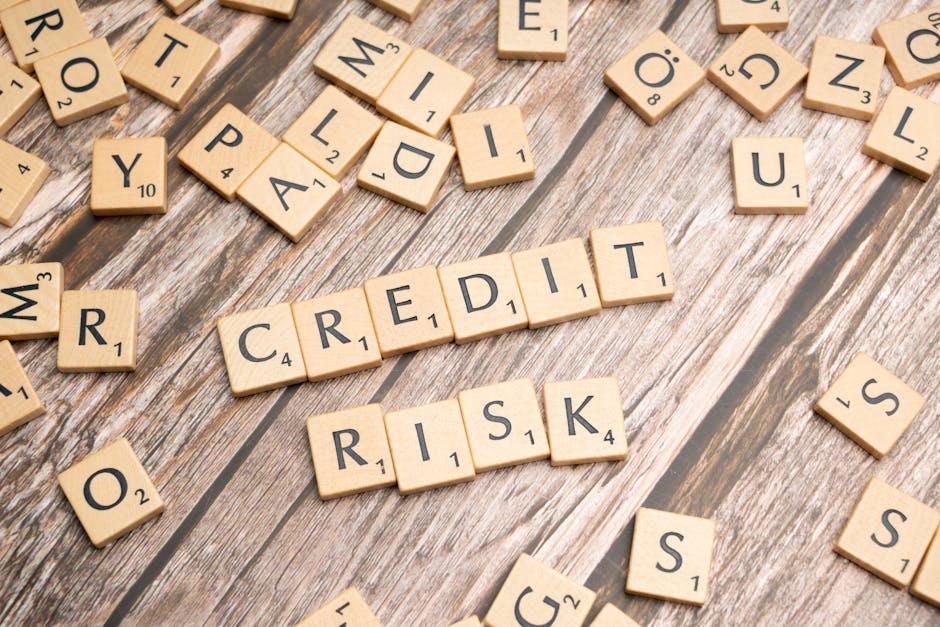

In the intricate tapestry of global finance, where fortunes are made and lost in the blink of an eye, credit risk management emerges as the unsung hero, quietly orchestrating the symphony of stability and growth. As the world becomes increasingly interconnected, with capital flowing seamlessly across borders, the importance of managing credit risk has never been more paramount. This invisible guardian stands at the crossroads of opportunity and peril, safeguarding institutions from the tremors of default and the cascading effects of financial crises. In this article, we delve into the pivotal role credit risk management plays in the global markets, exploring how its strategic application not only shields but also empowers financial entities to navigate the turbulent waters of the international economy with confidence and foresight. Join us as we unravel the complexities and unveil the significance of this critical discipline in shaping a resilient financial future.
Navigating the Complexities of Credit Risk in International Finance
In the realm of international finance, understanding and managing credit risk is paramount. The global market landscape is riddled with complexities that demand a nuanced approach to risk assessment. Financial institutions must grapple with diverse regulatory environments, fluctuating exchange rates, and the intricate financial health of counterparties across borders. Credit risk management in this context involves not just evaluating the creditworthiness of borrowers but also anticipating and mitigating potential losses that may arise from geopolitical events, economic downturns, or sudden shifts in market sentiment.
To effectively navigate these challenges, organizations should focus on several key strategies:
- Comprehensive Risk Assessment: Employ advanced analytics and modeling techniques to evaluate potential risks associated with international transactions.
- Dynamic Risk Mitigation: Develop flexible risk mitigation strategies that can adapt to changing market conditions and regulatory requirements.
- Robust Due Diligence: Conduct thorough due diligence on international partners to ensure compliance with global standards and to identify any red flags early.
- Continuous Monitoring: Implement real-time monitoring systems to track changes in credit risk profiles and respond promptly to emerging threats.
By adopting these strategies, financial institutions can better safeguard their operations and capitalize on opportunities in the global market, ensuring sustainable growth and stability.

Harnessing Advanced Analytics for Proactive Risk Mitigation
In the dynamic realm of global markets, the ability to anticipate and mitigate risks before they materialize is paramount. Advanced analytics plays a crucial role in this proactive approach, offering financial institutions the tools to decipher complex data patterns and predict potential credit risks. By leveraging sophisticated algorithms and machine learning models, organizations can identify subtle indicators of financial distress that traditional methods might overlook. This not only enhances the accuracy of risk assessments but also enables timely interventions, safeguarding both the institution and its clients.
Key strategies for employing advanced analytics in risk mitigation include:
- Predictive Modeling: Utilizing historical data to forecast future credit events.
- Real-Time Monitoring: Implementing systems that provide continuous oversight of credit exposures.
- Scenario Analysis: Simulating various economic conditions to assess potential impacts on credit portfolios.
- Data Integration: Combining internal and external data sources for a comprehensive risk view.
These strategies empower financial entities to not only respond to risks more effectively but also to seize opportunities for growth in an ever-evolving market landscape.
Strategic Frameworks for Strengthening Credit Risk Policies
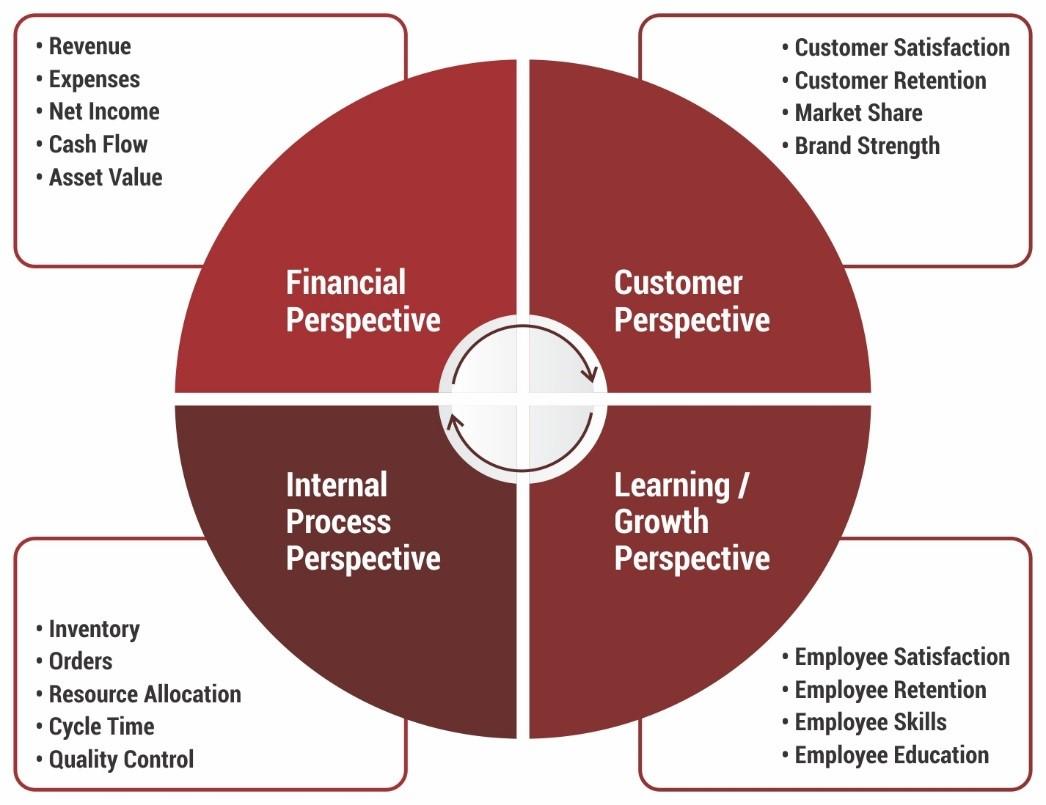
In the ever-evolving landscape of global finance, robust credit risk management is crucial for ensuring stability and growth. To navigate these complexities, organizations must adopt strategic frameworks that are both adaptive and comprehensive. These frameworks serve as the backbone for effective credit risk policies, enabling financial institutions to identify, assess, and mitigate potential risks before they escalate. By integrating advanced data analytics and machine learning algorithms, companies can gain deeper insights into borrower behavior, enhancing predictive accuracy and decision-making.
Key components of a successful strategic framework include:
- Risk Assessment Models: Employing sophisticated models to evaluate the creditworthiness of clients, considering both quantitative and qualitative factors.
- Dynamic Monitoring Systems: Implementing real-time monitoring to track changes in market conditions and borrower circumstances.
- Policy Flexibility: Designing policies that can adapt to regulatory changes and economic shifts without compromising risk thresholds.
- Stakeholder Engagement: Ensuring continuous communication and collaboration among all stakeholders to align objectives and expectations.
By embedding these elements into their strategic frameworks, financial institutions can not only safeguard their assets but also seize opportunities in the global market with confidence.

Cultivating a Culture of Risk Awareness Across Global Operations
In the intricate web of global markets, the ability to identify, assess, and manage credit risk is not just a necessity but a cornerstone of sustainable growth. A robust culture of risk awareness ensures that organizations can navigate the unpredictable waters of international finance with confidence. This culture is built on several key pillars:
- Comprehensive Risk Assessment: Understanding the nuances of local markets and geopolitical climates is crucial. This involves evaluating potential credit risks at both macro and micro levels.
- Continuous Education and Training: Equip teams with the latest tools and knowledge to identify emerging risks and respond proactively.
- Integrated Risk Management Systems: Leverage technology to create seamless processes that connect risk assessment with decision-making frameworks.
By fostering an environment where risk awareness is ingrained in every decision, companies can not only protect their assets but also seize opportunities that others might overlook. This strategic foresight transforms potential threats into avenues for innovation and competitive advantage.