

In the ever-evolving landscape of global commerce, businesses today find themselves navigating a labyrinth of compliance/ensuring-compliance-with-cross-border-financial-transactions/” title=”ensuring compliance with cross-border financial transactions”>financial regulations that can often seem as daunting as they are intricate. As the guardians of economic integrity, these regulations are designed to maintain fairness and transparency, yet the complexity of compliance can pose significant challenges for even the most seasoned entrepreneurs. In this high-stakes environment, the specter of financial regulatory fines looms large, threatening not only the bottom line but also the very reputation of a business. This article serves as your compass, guiding you through the complexities of compliance with authoritative insights and strategic foresight. Here, we will unravel the intricacies of regulatory frameworks and arm you with the knowledge and tools necessary to shield your enterprise from the costly pitfalls of non-compliance. Prepare to fortify your business against financial regulatory fines, ensuring its resilience and longevity in a world where vigilance is not just advisable, but imperative.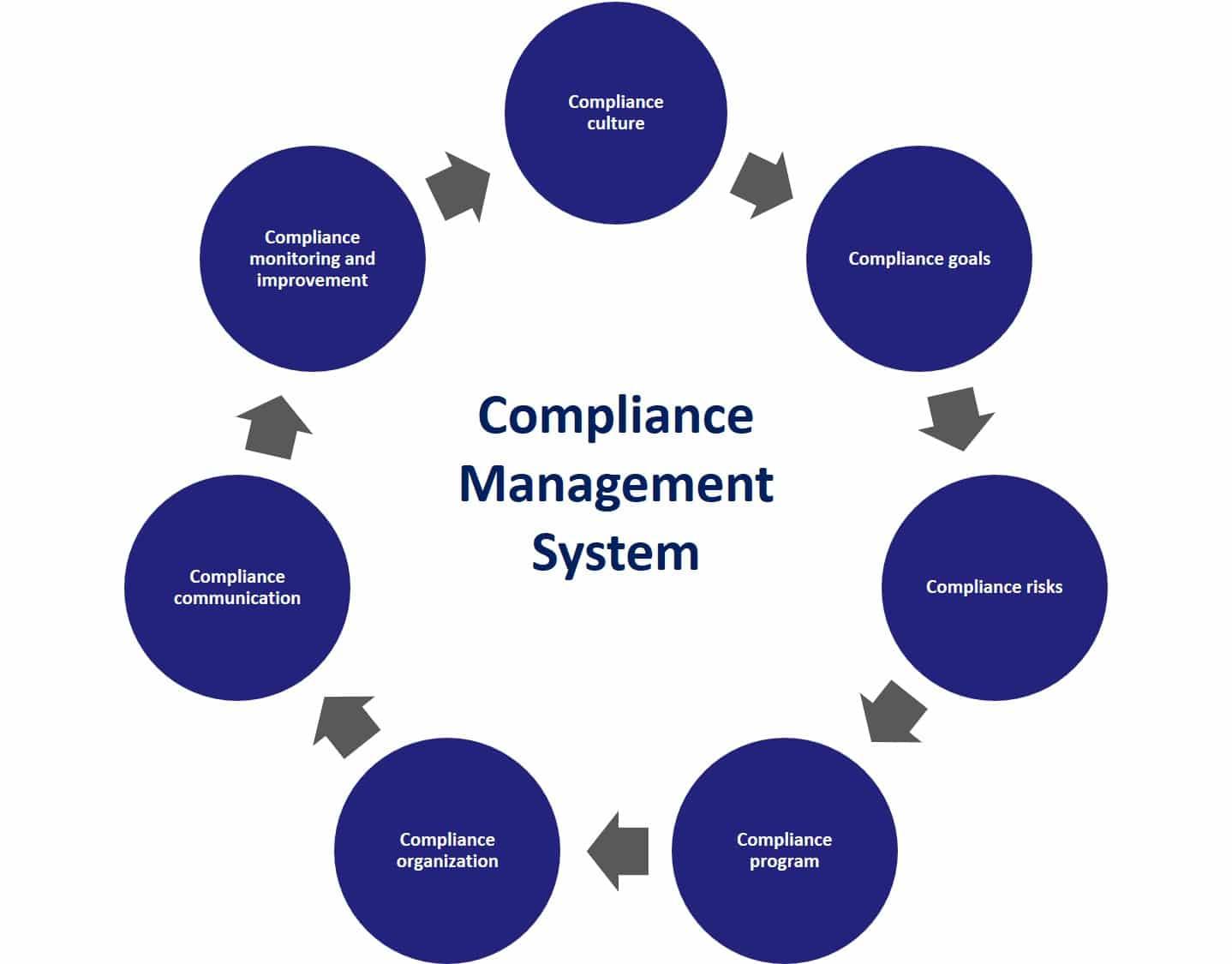
Mastering Compliance to Safeguard Your Enterprise
In today’s rapidly evolving regulatory landscape, ensuring your enterprise is in compliance is not just a matter of due diligence—it’s a strategic imperative. Financial regulatory fines can be crippling, but by implementing a robust compliance framework, you can safeguard your business from these costly pitfalls. Prioritize continuous education within your organization. Keep your team updated on the latest regulations and compliance requirements through regular training sessions and workshops. This proactive approach not only minimizes risk but also fosters a culture of accountability and awareness.
- Invest in technology: Utilize compliance management software to automate and streamline processes, ensuring accuracy and efficiency.
- Conduct regular audits: Regular internal audits help identify potential vulnerabilities and address them before they escalate.
- Engage with experts: Consult with legal and financial experts to stay ahead of regulatory changes and receive tailored advice for your business.
By embedding these practices into your operational strategy, you not only protect your enterprise from financial penalties but also build a resilient foundation for long-term success.

Strategic Risk Assessment for Financial Regulations
In the ever-evolving landscape of financial regulations, businesses must adopt a proactive approach to mitigate potential risks. Conducting a thorough strategic risk assessment is crucial to identify vulnerabilities and ensure compliance. This involves evaluating the current regulatory environment and understanding how changes might impact your operations. By anticipating regulatory shifts, you can develop strategies to adapt quickly and avoid costly fines.
- Stay Informed: Regularly update your knowledge of regulatory changes and industry best practices.
- Implement Robust Compliance Programs: Establish clear policies and procedures that align with regulatory requirements.
- Engage with Experts: Consult with legal and financial advisors to gain insights into complex regulations.
- Invest in Training: Ensure your team is well-versed in compliance protocols through continuous education.
- Utilize Technology: Leverage compliance management software to monitor and report on regulatory adherence.
By integrating these strategies into your business model, you not only safeguard against fines but also enhance your reputation as a compliant and trustworthy entity in the financial sector.
Building a Robust Internal Audit Framework
To safeguard your business against the pitfalls of financial regulatory fines, it is imperative to establish a comprehensive internal audit framework. This framework acts as a vigilant guardian, meticulously scrutinizing every financial transaction and compliance measure. Key components of a robust framework include:
- Risk Assessment: Identify and prioritize areas prone to compliance risks, ensuring resources are allocated effectively.
- Continuous Monitoring: Implement automated systems for real-time oversight, allowing for swift detection and correction of discrepancies.
- Policy Development: Craft clear and concise policies that align with regulatory standards, and ensure all staff are adequately trained.
- Regular Audits: Conduct periodic reviews to verify the effectiveness of controls and compliance with established policies.
By embedding these elements into your audit strategy, you create a resilient defense mechanism that not only prevents regulatory breaches but also fosters a culture of accountability and transparency within your organization.
Leveraging Technology for Regulatory Adherence
In today’s fast-paced digital landscape, businesses must harness the power of technology to ensure compliance with ever-evolving financial regulations. By integrating advanced tech solutions, companies can not only streamline their compliance processes but also mitigate the risk of costly fines. Artificial Intelligence (AI) and Machine Learning (ML) can be leveraged to monitor transactions in real-time, identify suspicious activities, and ensure that all operations align with the latest regulatory requirements.
Consider implementing the following strategies to bolster your regulatory adherence:
- Automated Compliance Software: Deploy software that automatically updates to reflect new regulations, reducing the need for manual oversight.
- Data Analytics Tools: Utilize analytics to gain insights into compliance performance and identify potential areas of risk.
- Blockchain Technology: Employ blockchain for transparent and immutable record-keeping, ensuring traceability and accountability.
- Cybersecurity Measures: Enhance your security infrastructure to protect sensitive financial data from breaches and unauthorized access.
By embracing these technological advancements, businesses can stay ahead of regulatory changes, safeguard their operations, and avoid the financial repercussions of non-compliance.