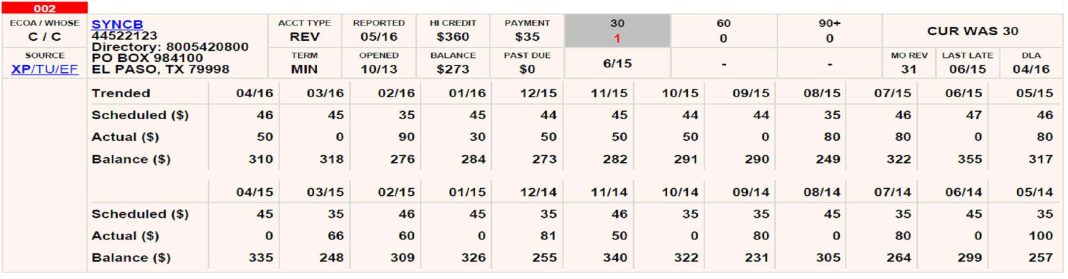


In the fast-paced world of business, where every lead has the potential to become a lucrative client, distinguishing between promising prospects and unqualified leads is a critical skill. Imagine navigating this landscape with a tool that offers not just a glimpse, but a comprehensive insight into the financial reliability of your potential clients. Enter credit data—a powerful ally in the quest to optimize your lead generation strategy. This article delves into the transformative power of credit data, unveiling how it can act as a discerning compass, steering you away from unqualified leads and towards opportunities ripe for conversion. With an authoritative lens, we explore the nuances of leveraging credit data to refine your approach, ensuring that your efforts are both efficient and effective. Join us as we unravel the secrets of harnessing credit data to elevate your business strategy, turning potential pitfalls into pathways of success.
Harnessing Credit Data to Refine Lead Qualification
In today’s competitive business landscape, the ability to effectively qualify leads can make or break a company’s sales strategy. By integrating credit data into your lead qualification process, you can significantly enhance your ability to identify potential customers who are not only interested but also financially capable of engaging with your products or services. Credit data provides a wealth of information that goes beyond basic demographic details, offering insights into a prospect’s financial health and payment behaviors. This allows businesses to focus their efforts on leads that are more likely to convert, ultimately saving time and resources.
Utilizing credit data can help you achieve the following:
- Identify financially stable prospects who are more likely to make timely payments and sustain a long-term relationship.
- Reduce the risk of bad debt by filtering out leads with poor credit histories, thus protecting your company’s financial health.
- Enhance customer segmentation by understanding the creditworthiness of different market segments, allowing for more targeted marketing efforts.
By leveraging these insights, businesses can streamline their sales process, focusing on leads that promise higher returns and building a more robust, financially sound customer base.

Decoding Financial Signals for Smarter Lead Targeting
In the intricate dance of lead generation, understanding financial signals can be the difference between a promising lead and a dead end. Credit data, when harnessed effectively, acts as a beacon, guiding businesses towards more qualified prospects. By integrating credit insights into your lead targeting strategy, you can sharpen your focus and allocate resources more efficiently. This not only reduces the time spent chasing unqualified leads but also enhances your conversion rates.
- Enhanced Risk Assessment: By analyzing credit scores and histories, businesses can assess the financial stability of potential leads, ensuring that they have the capacity to engage with your offerings.
- Segmentation Precision: Credit data allows for the segmentation of leads based on financial behavior, enabling personalized marketing strategies that resonate with specific groups.
- Predictive Insights: Utilizing credit trends can help forecast a lead’s future financial behavior, allowing for proactive engagement strategies.
By weaving credit data into your lead generation fabric, you not only refine your targeting approach but also position your business as a savvy, forward-thinking entity in a competitive marketplace.

Leveraging Credit Insights to Enhance Sales Efficiency
In today’s competitive market, sales teams must focus on quality over quantity when it comes to leads. By harnessing the power of credit data, businesses can effectively streamline their lead qualification process, ensuring that their efforts are directed towards prospects with genuine potential. Credit insights provide a deeper understanding of a prospect’s financial health, offering a clear picture of their ability to invest in your products or services. This approach not only saves time but also enhances the overall efficiency of the sales cycle.
- Targeted Prospecting: Credit data allows sales teams to filter out leads that don’t meet financial criteria, ensuring resources are spent on high-potential prospects.
- Improved Sales Forecasting: With a better understanding of a lead’s financial background, sales teams can make more accurate predictions about closing deals.
- Enhanced Customer Relationships: By focusing on financially qualified leads, sales representatives can build stronger, more meaningful connections, leading to higher conversion rates.
Integrating credit insights into your sales strategy is not just about avoiding unqualified leads; it’s about empowering your team to make informed decisions, ultimately driving growth and success.

Strategic Recommendations for Integrating Credit Data in Lead Scoring
Incorporating credit data into your lead scoring model can significantly enhance the precision of your sales funnel. To achieve this, start by identifying key credit indicators that align with your business objectives. These indicators might include credit scores, payment histories, or debt-to-income ratios. Integrating these data points allows you to filter out leads that don’t meet your financial criteria, ensuring your sales team focuses on prospects with the highest potential for conversion.
When implementing this strategy, consider the following recommendations:
- Collaborate with your data analytics team to develop a robust algorithm that weighs credit data appropriately within your lead scoring model.
- Ensure compliance with data privacy regulations by securing explicit consent from prospects before accessing their credit information.
- Regularly update your scoring model to reflect changes in credit data trends and economic conditions, keeping your approach agile and relevant.
By strategically leveraging credit data, you can refine your lead qualification process, reduce time spent on unqualified leads, and ultimately drive more efficient and successful sales outcomes.