

In the ever-evolving landscape of regulatory requirements, organizations are under constant pressure to ensure compliance while maintaining operational efficiency. Enter data analytics—a powerful ally in the quest for seamless compliance management. Imagine a world where vast oceans of data are not just navigated, but harnessed, transforming potential chaos into clarity. This article will serve as your compass, guiding you through the sophisticated realm of data analytics, where algorithms and insights converge to illuminate the path to better compliance. With an authoritative lens, we will explore how leveraging data analytics not only mitigates risk but also empowers organizations to stay ahead of the curve, ensuring that compliance is not just a mandate, but a strategic advantage. Welcome to the future of compliance management, where data is not just a tool, but a trusted partner. Predictive Analytics to Anticipate Compliance Risks“>
Leveraging Predictive Analytics to Anticipate Compliance Risks
In today’s rapidly evolving regulatory landscape, organizations must stay ahead of potential compliance risks to maintain their integrity and avoid costly penalties. Predictive analytics offers a powerful tool to anticipate these risks by leveraging historical data and advanced algorithms. By analyzing patterns and trends, businesses can proactively identify areas of vulnerability and implement strategies to mitigate potential issues before they arise.
- Data Integration: Combine data from various sources such as financial records, customer interactions, and external regulatory updates to create a comprehensive view of your compliance environment.
- Risk Scoring: Utilize predictive models to assign risk scores to different compliance areas, allowing for prioritized action and resource allocation.
- Trend Analysis: Detect emerging patterns that may indicate future compliance challenges, enabling timely interventions.
- Scenario Planning: Simulate potential regulatory changes and assess their impact on your organization, ensuring preparedness for any eventuality.
By harnessing the power of predictive analytics, companies can transform compliance management from a reactive process into a strategic advantage, safeguarding their operations and enhancing their reputation in the marketplace.

Harnessing Real-Time Data Monitoring for Proactive Compliance
In the fast-paced world of regulatory landscapes, staying ahead of compliance requirements is not just beneficial—it’s essential. Real-time data monitoring serves as a powerful tool for organizations aiming to maintain compliance proactively. By leveraging advanced analytics, companies can transform raw data into actionable insights, allowing them to anticipate and address compliance issues before they escalate. This proactive approach not only reduces the risk of non-compliance but also fosters a culture of accountability and transparency.
Implementing real-time data monitoring involves several key practices:
- Automated Alerts: Set up systems to notify compliance teams of any anomalies or deviations from standard procedures.
- Data Visualization: Utilize dashboards to provide a clear and immediate overview of compliance metrics.
- Predictive Analytics: Use historical data to forecast potential compliance breaches and take preventive measures.
By integrating these practices, organizations can ensure that compliance is not just a reactive measure but a strategic component of their operational framework.
Integrating Machine Learning for Enhanced Regulatory Adherence
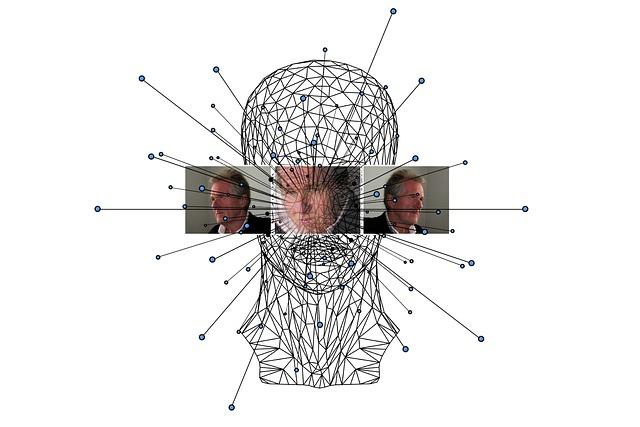
Incorporating machine learning into compliance management systems is a transformative approach that leverages the power of data analytics to ensure adherence to regulatory standards. By analyzing vast datasets, machine learning algorithms can identify patterns and anomalies that might indicate non-compliance, allowing organizations to address potential issues proactively. This not only enhances the efficiency of compliance processes but also reduces the risk of penalties and reputational damage.
Key Benefits of Machine Learning in Compliance:
- Predictive Analysis: Machine learning models can forecast potential compliance breaches by analyzing historical data, enabling organizations to implement preventive measures.
- Real-time Monitoring: Continuous data analysis provides real-time insights, allowing for immediate action on compliance issues as they arise.
- Automated Reporting: Streamlining the reporting process through automation reduces manual errors and ensures timely submissions to regulatory bodies.
- Cost Efficiency: By automating routine compliance tasks, organizations can allocate resources more effectively, reducing operational costs.

Crafting a Data-Driven Culture for Sustained Compliance Excellence
To foster a robust culture centered around data-driven compliance, organizations must integrate analytics into their core operational ethos. This transformation begins with empowering teams to leverage data insights for informed decision-making. Training and education are paramount, ensuring that every member of the organization understands the importance of data in maintaining compliance. By embedding analytics into daily workflows, companies can proactively identify potential compliance risks and address them before they escalate.
Key strategies to cultivate this culture include:
- Leadership buy-in: Ensure that top management champions the use of data analytics, setting a precedent for the rest of the organization.
- Accessible data: Create systems that allow easy access to relevant data for all stakeholders, promoting transparency and accountability.
- Continuous feedback loops: Implement mechanisms for regular feedback on compliance performance, using data to drive improvements.
- Celebrating data-driven successes: Recognize and reward teams that effectively use data to achieve compliance goals, reinforcing the value of analytics.
By weaving data analytics into the fabric of the organization, companies not only enhance their compliance management but also build a resilient foundation for sustained excellence.