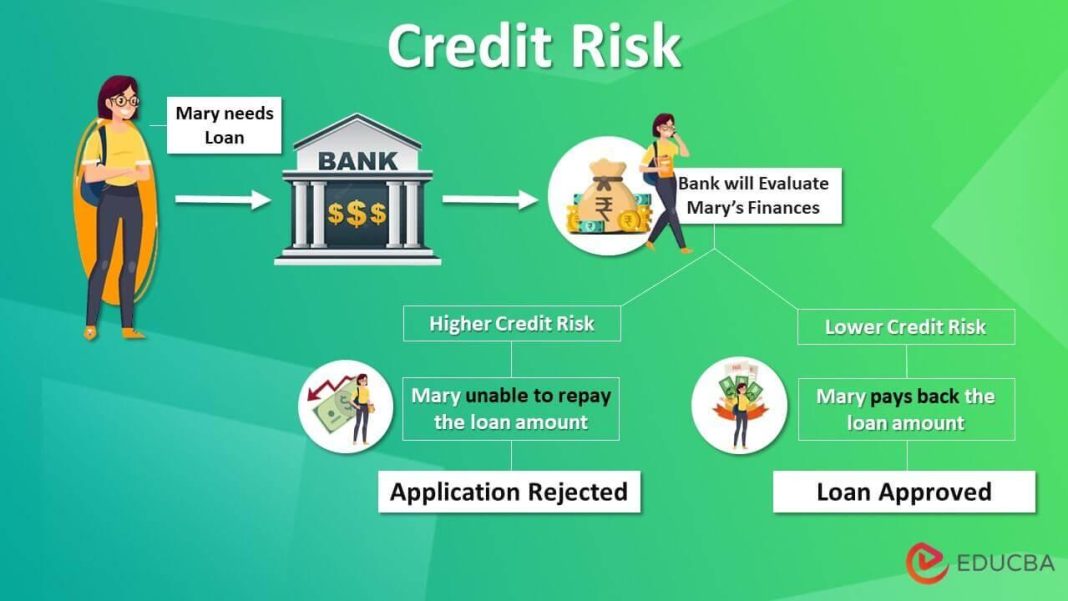


In the intricate dance of finance, where opportunities and risks are in perpetual motion, the ability to foresee potential pitfalls is nothing short of a superpower. Enter predictive analytics—a beacon of innovation that is transforming the landscape of credit risk management. As financial institutions navigate the complex tapestry of borrower behavior and economic fluctuations, predictive analytics emerges as a formidable ally, offering insights with unprecedented precision. This article delves into the sophisticated realm of managing credit risk through predictive analytics, exploring how this cutting-edge technology empowers decision-makers to anticipate challenges, mitigate losses, and harness opportunities with a level of authority and foresight once deemed unattainable. Prepare to journey into a world where data-driven insights redefine the art and science of credit risk management, setting new standards for stability and success in the financial sector.
Understanding the Dynamics of Credit Risk in Modern Finance
In the ever-evolving landscape of modern finance, the ability to effectively manage credit risk has become paramount. Leveraging predictive analytics offers financial institutions a powerful tool to anticipate potential defaults and optimize their credit portfolios. By analyzing vast datasets, including historical payment behaviors and economic indicators, predictive models can provide insights that are not only timely but also remarkably accurate. This proactive approach allows institutions to identify high-risk clients before defaults occur, enabling them to implement strategies to mitigate potential losses.
- Enhanced Decision-Making: By integrating predictive analytics, lenders can make informed decisions about credit approvals, setting interest rates, and determining loan terms.
- Risk Mitigation: Early identification of potential defaulters allows for preemptive actions, such as adjusting credit limits or restructuring loans.
- Cost Efficiency: Reducing the incidence of bad debt leads to significant cost savings, as resources are better allocated towards more profitable ventures.
- Improved Customer Experience: With a clearer understanding of customer profiles, financial institutions can tailor products and services to meet the specific needs of their clients, enhancing satisfaction and loyalty.
As the financial sector continues to embrace digital transformation, the integration of predictive analytics into credit risk management is not just a competitive advantage but a necessity. This technology-driven approach is reshaping the way risks are perceived and managed, paving the way for a more resilient financial ecosystem.

Harnessing Predictive Analytics to Anticipate Financial Threats
In today’s volatile financial landscape, leveraging predictive analytics has become a cornerstone for managing credit risk effectively. By analyzing historical data and identifying patterns, financial institutions can anticipate potential threats before they manifest. This proactive approach allows for the development of robust strategies to mitigate risks associated with lending and credit management.
- Data-Driven Decision Making: Predictive analytics empowers financial professionals to make informed decisions by providing insights into borrower behavior and market trends.
- Early Warning Systems: By detecting anomalies and forecasting potential defaults, institutions can implement preemptive measures to safeguard their portfolios.
- Enhanced Customer Segmentation: Tailoring credit offerings based on predictive insights ensures better alignment with customer needs and risk profiles.
Integrating these analytics tools not only fortifies the financial institution’s defenses against unforeseen threats but also enhances overall operational efficiency. The future of credit risk management lies in the ability to predict, prepare, and prosper amidst uncertainty.

Strategic Implementation of Data-Driven Risk Assessment Tools
In today’s dynamic financial landscape, leveraging predictive analytics to manage credit risk is no longer optional but a strategic imperative. By integrating data-driven risk assessment tools, financial institutions can enhance their decision-making processes, mitigate potential losses, and optimize their credit portfolios. These tools utilize advanced algorithms and machine learning techniques to analyze vast datasets, identifying patterns and trends that human analysts might overlook. This enables organizations to not only predict default probabilities with higher accuracy but also tailor their risk management strategies to align with evolving market conditions.
- Enhanced Decision-Making: Real-time data analysis provides actionable insights, allowing for more informed credit-granting decisions.
- Proactive Risk Mitigation: Early identification of potential defaulters helps in taking preemptive measures to minimize losses.
- Portfolio Optimization: By understanding risk profiles, institutions can balance their portfolios for maximum profitability and minimal risk.
Implementing these sophisticated tools requires a strategic approach that includes training personnel, updating legacy systems, and ensuring data quality and security. As the financial sector continues to evolve, the adoption of predictive analytics in credit risk management will be a key differentiator for institutions aiming to stay ahead of the curve.

Crafting Robust Credit Risk Mitigation Strategies with Advanced Analytics
In the ever-evolving landscape of financial services, the ability to anticipate and mitigate credit risk is crucial. Advanced analytics offer a powerful toolkit for crafting strategies that are not only robust but also adaptive to market changes. By leveraging predictive models, financial institutions can transform raw data into actionable insights, allowing them to forecast potential defaults and adjust their risk exposure accordingly. This proactive approach not only safeguards the institution’s financial health but also enhances its competitive edge.
- Data-Driven Decision Making: Utilizing historical data and machine learning algorithms to predict borrower behavior and creditworthiness.
- Dynamic Risk Assessment: Continuously updating risk profiles in real-time to reflect the latest market conditions and borrower activities.
- Enhanced Portfolio Management: Identifying at-risk segments and reallocating resources to optimize returns and minimize losses.
By integrating these advanced analytics into their credit risk management frameworks, organizations can create a more resilient financial ecosystem. This not only ensures compliance with regulatory standards but also fosters trust and confidence among stakeholders, paving the way for sustainable growth.