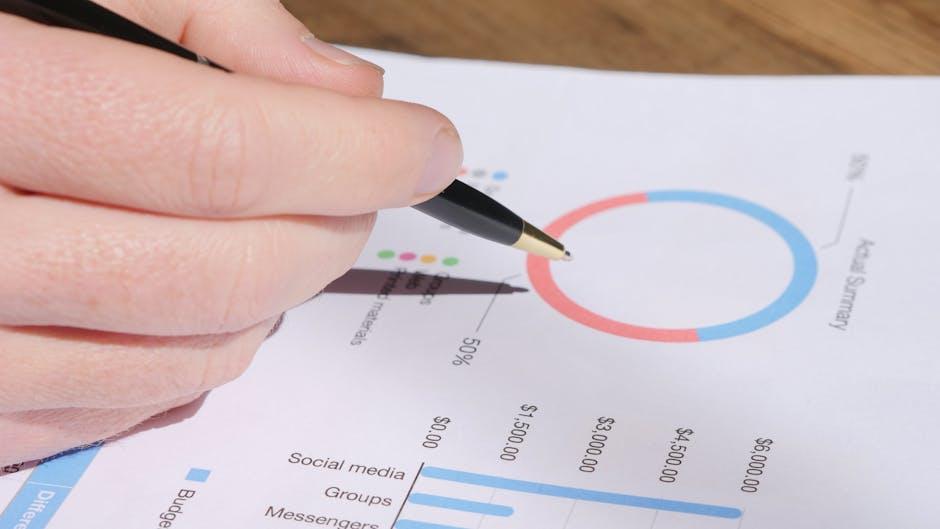


In the ever-evolving landscape of modern business, the pursuit of high-spending customers has become a strategic imperative for companies aiming to thrive and expand. Yet, identifying these lucrative patrons often feels akin to searching for a needle in a haystack. Enter the realm of credit data—a powerful, yet underutilized tool that holds the key to unlocking a treasure trove of insights about consumer behavior and spending potential. As we delve into the intricate tapestry of credit data, this article will illuminate how businesses can harness this wealth of information to pinpoint high-spending customers with precision and confidence. Prepare to embark on a journey that merges financial acumen with strategic foresight, as we explore the transformative potential of credit data in redefining customer acquisition and retention strategies.
Unlocking Consumer Insights with Credit Data
In the ever-evolving landscape of consumer behavior, leveraging credit data offers a strategic advantage in identifying high-spending customers. This data unveils patterns and trends that traditional methods might overlook, providing a more comprehensive understanding of consumer spending habits. By analyzing credit scores, payment histories, and credit utilization, businesses can craft personalized marketing strategies that resonate with their target audience.
- Enhanced Targeting: Utilize credit data to segment your audience based on spending capacity and financial behavior.
- Predictive Insights: Forecast future spending trends and tailor your offerings to meet anticipated consumer needs.
- Risk Mitigation: Identify potential financial risks associated with certain consumer segments and adjust your strategies accordingly.
By integrating these insights into your business model, you not only enhance customer satisfaction but also optimize your revenue streams. Embrace the power of credit data to transform your approach to consumer engagement and unlock a wealth of opportunities.

Identifying High-Spending Patterns for Targeted Marketing
In the quest to pinpoint high-spending customers, leveraging credit data can be a game-changer for marketers. By analyzing spending behaviors and patterns, businesses can identify potential high-value customers who are more likely to engage with premium products or services. Credit data provides insights into spending habits, such as frequency of purchases, average transaction values, and even preferred categories of expenditure. This information allows marketers to tailor their strategies, ensuring that marketing efforts are not only targeted but also highly effective.
- Transaction Analysis: Dive deep into the types of transactions customers are making to uncover trends and preferences.
- Spending Frequency: Identify customers who frequently make purchases, indicating a propensity for high spending.
- Category Preferences: Discover which product categories attract the most spending to focus marketing efforts effectively.
By integrating these insights into marketing strategies, businesses can create personalized campaigns that resonate with high-spending customers, enhancing engagement and boosting sales. With the right approach, credit data not only identifies potential high-spenders but also helps in crafting a more compelling customer journey.

Leveraging Credit Scores to Enhance Customer Profiles
In the quest to identify high-spending customers, credit scores offer a treasure trove of insights that can transform customer profiling. By integrating credit data into your customer analysis, you can uncover patterns and behaviors that traditional metrics might overlook. This integration allows businesses to not only assess the purchasing power of their clientele but also to predict future spending potential. Armed with this information, companies can tailor their marketing strategies to target those with the highest propensity to spend, ensuring a more efficient allocation of resources.
- Enhanced Segmentation: Use credit scores to create more precise customer segments, distinguishing between casual buyers and potential high-value customers.
- Predictive Analytics: Employ credit data to forecast spending trends, enabling proactive engagement strategies.
- Risk Assessment: Mitigate financial risks by identifying customers with strong credit histories, reducing the likelihood of defaults.
By leveraging the power of credit scores, businesses can elevate their customer profiles, transforming raw data into actionable insights that drive growth and profitability.
Strategic Approaches to Engaging High-Value Clients
In today’s competitive landscape, leveraging credit data can be a game-changer in identifying and engaging high-value clients. By analyzing credit scores, spending patterns, and financial behaviors, businesses can tailor their strategies to meet the specific needs of affluent customers. Here are some strategic approaches to consider:
- Personalized Offers: Use credit data to craft personalized offers that resonate with the financial habits and preferences of high-spending clients. This not only enhances customer satisfaction but also increases the likelihood of conversion.
- Targeted Marketing Campaigns: Develop targeted marketing campaigns that focus on the unique characteristics of your high-value clientele. By understanding their credit profiles, you can design campaigns that speak directly to their interests and financial capabilities.
- Risk Assessment: Credit data provides valuable insights into the risk profiles of potential clients. By assessing these risks, businesses can make informed decisions about extending credit or offering premium services.
Integrating credit data into your client engagement strategy not only helps in identifying lucrative opportunities but also builds a more personalized and efficient approach to client management.