

In the digital age, where transactions whiz through the ether at the speed of light, the specter of fraud lurks in the shadows, waiting to pounce on the unsuspecting. As we navigate this vast and intricate financial landscape, the ability to discern the subtle signs of deceit has become an essential skill, akin to a modern-day superpower. Welcome to the world of fraud detection—a realm where keen observation and analytical prowess are your greatest allies. In this article, we will embark on a journey to unravel the mysteries of transactional trickery, equipping you with the knowledge and tools to spot fraud patterns with the precision of a seasoned detective. Prepare to delve into the art and science of safeguarding your financial well-being, as we illuminate the path to identifying and thwarting fraudulent schemes with confidence and authority.
Spotting the Red Flags: Key Indicators of Transactional Fraud
In the intricate world of financial transactions, being able to discern fraudulent activity is akin to having a sixth sense. Recognizing suspicious patterns can save businesses from significant losses. One of the primary indicators is unusual transaction volumes. If a customer who typically makes small purchases suddenly starts spending large amounts, this could be a red flag. Similarly, frequent small transactions within a short period can indicate an attempt to bypass security thresholds.
- Geographical Anomalies: Transactions originating from unexpected locations, especially if they deviate from a customer’s usual patterns, should be scrutinized.
- Time-Based Irregularities: Look out for transactions made at odd hours, such as late at night or during holidays, which can often be a sign of fraudulent activity.
- Multiple Payment Methods: A sudden switch between different payment methods by the same user can indicate an attempt to cover fraudulent tracks.
By staying vigilant and leveraging these indicators, businesses can better protect themselves against the ever-evolving tactics of fraudsters.
Deep Dive into Data: Analyzing Transaction Patterns for Anomalies
In the intricate world of financial transactions, recognizing fraudulent patterns requires a meticulous approach. Data analysts employ a variety of techniques to scrutinize transaction data for irregularities. By examining variables such as transaction frequency, geographical location, and transaction amount, analysts can identify anomalies that may indicate fraudulent activity. Key indicators often include sudden spikes in transaction volume, transactions occurring in unusual locations, or patterns that deviate from a user’s typical behavior.
To effectively analyze transaction patterns, consider leveraging the following strategies:
- Cluster Analysis: Group transactions based on similarities to identify outliers.
- Time-Series Analysis: Monitor transaction trends over time to detect unusual patterns.
- Machine Learning Algorithms: Utilize models that learn from historical data to predict and flag potential fraud.
- Behavioral Analytics: Compare current transaction behavior against established user profiles to spot inconsistencies.
By implementing these methods, businesses can bolster their defenses against fraudulent activities, ensuring a secure and trustworthy transaction environment.

Leveraging Technology: Tools and Techniques for Fraud Detection
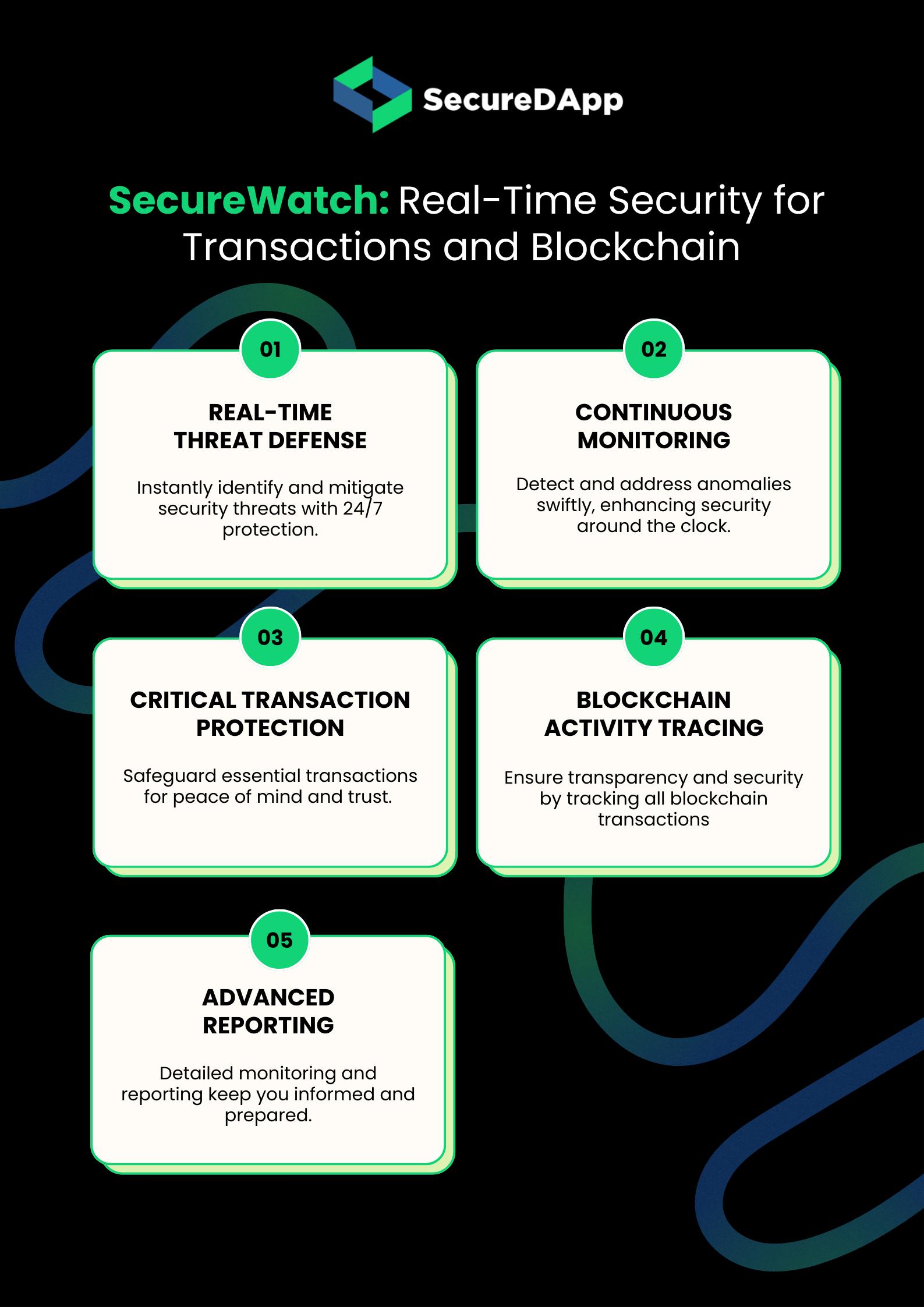
In the realm of modern finance, harnessing the power of technology is paramount to effectively combat fraudulent activities. Cutting-edge tools and techniques are transforming how businesses identify and prevent fraud. Machine learning algorithms stand at the forefront, analyzing vast datasets to detect anomalies and patterns that might indicate fraudulent behavior. These algorithms continuously learn from new data, improving their accuracy and efficiency over time. Additionally, data visualization tools offer intuitive insights by presenting complex transaction data in easily digestible formats, enabling analysts to spot irregularities at a glance.
Businesses are also turning to behavioral analytics to understand typical user behavior and identify deviations that could signal fraud. By leveraging biometric authentication, companies can add an extra layer of security, ensuring that transactions are carried out by legitimate users. Furthermore, the integration of blockchain technology provides a transparent and immutable ledger, making it difficult for fraudsters to manipulate transaction records. These innovative technologies, when combined, create a robust defense against fraudulent activities, empowering organizations to safeguard their financial integrity.
Proactive Measures: Strengthening Your Defense Against Fraudulent Activities
To effectively combat fraudulent activities, it’s crucial to implement proactive measures that bolster your defenses. Start by investing in advanced analytics tools that can scrutinize transaction patterns in real-time. These tools utilize machine learning algorithms to detect anomalies that might indicate fraudulent behavior. Consider the following strategies:
- Data Segmentation: Break down transaction data into segments based on customer profiles, transaction types, and geographical locations to spot irregularities more efficiently.
- Behavioral Analysis: Monitor and analyze customer behavior to establish a baseline of normal activity, making it easier to identify deviations that could signal fraud.
- Cross-Channel Monitoring: Implement systems that track transactions across multiple channels to ensure consistency and uncover suspicious patterns that may be missed when channels are viewed in isolation.
By adopting these measures, businesses can not only detect fraud more swiftly but also deter potential fraudulent activities before they escalate, safeguarding both their assets and reputation.