

In the intricate tapestry of the global economy, corporate credit risk stands as a pivotal thread, weaving its influence through the decisions of investors, lenders, and policymakers alike. As businesses navigate the ever-shifting landscapes of opportunity and uncertainty, understanding the financial metrics that underpin corporate credit risk becomes not just a necessity, but an art form. This article delves into the sophisticated world of financial metrics, offering a masterclass in deciphering the signals that determine a corporation’s creditworthiness. With an authoritative lens, we explore the numerical narratives that forecast fiscal health, revealing the stories behind balance sheets and income statements. Join us as we unravel the complexities of financial metrics, equipping you with the knowledge to assess corporate credit risk with precision and confidence.
Understanding the Essentials of Corporate Credit Risk Assessment
In the intricate world of corporate finance, understanding the nuances of credit risk assessment is paramount. At the heart of this process lies a set of crucial financial metrics that serve as the backbone for evaluating a company’s creditworthiness. Liquidity ratios, such as the current ratio and quick ratio, provide insight into a company’s ability to meet short-term obligations, ensuring that it can cover its liabilities without the need for additional financing. Leverage ratios, like the debt-to-equity ratio, reveal the extent to which a company is financing its operations through debt, offering a glimpse into its financial structure and risk exposure.
Moreover, profitability metrics play a vital role in this assessment. Metrics such as the return on assets (ROA) and return on equity (ROE) not only measure a company’s efficiency in generating profits from its assets and equity but also reflect its overall financial health. Additionally, cash flow analysis is indispensable, as it highlights the actual cash generated from operations, providing a more accurate picture of a company’s ability to sustain its debt obligations. Together, these metrics form a comprehensive framework that allows analysts to paint a detailed portrait of a company’s financial stability and potential risk, ensuring informed decision-making in the realm of corporate credit.
Key Financial Ratios to Gauge Corporate Solvency and Liquidity
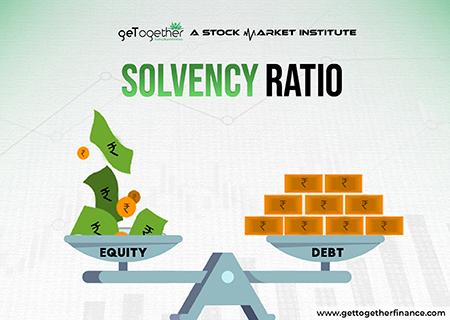
In the intricate world of corporate finance, understanding a company’s ability to meet its short and long-term obligations is crucial. Key financial ratios serve as indispensable tools in this analysis, providing insights into a firm’s solvency and liquidity. Solvency ratios, such as the Debt-to-Equity Ratio and Interest Coverage Ratio, assess a company’s long-term financial stability by examining its capital structure and ability to cover interest payments. A lower debt-to-equity ratio often indicates a more financially stable company, while a higher interest coverage ratio suggests robust earnings relative to interest obligations.
On the other hand, liquidity ratios focus on a company’s capacity to cover its short-term liabilities. The Current Ratio and Quick Ratio are pivotal in this regard. The current ratio, calculated by dividing current assets by current liabilities, provides a snapshot of a company’s ability to pay off its short-term debts with its available assets. The quick ratio, which excludes inventory from current assets, offers a more stringent test of liquidity. Together, these ratios form a comprehensive picture of a company’s financial health, guiding investors and creditors in making informed decisions.

Advanced Analytical Tools for Predicting Credit Defaults
In the realm of corporate credit risk, the landscape is continuously evolving, driven by the emergence of sophisticated analytical tools that empower financial institutions to anticipate credit defaults with unprecedented accuracy. Leveraging these advanced tools, analysts can delve deeper into a myriad of financial metrics that serve as critical indicators of a company’s creditworthiness. Among these, cash flow analysis stands out, offering insights into a company’s ability to meet its debt obligations through operational income rather than relying on external financing.
Moreover, the integration of machine learning algorithms and artificial intelligence into credit risk assessment frameworks has revolutionized the predictive capabilities of these tools. Key metrics now encompass:
- Debt-to-Equity Ratio: Providing a snapshot of a company’s financial leverage and its capacity to cover outstanding debts.
- Interest Coverage Ratio: Gauging a firm’s ability to pay interest on its outstanding debt, a crucial indicator of financial health.
- Liquidity Ratios: Such as the current and quick ratios, these metrics evaluate a company’s ability to meet short-term liabilities.
These tools not only enhance the precision of credit risk models but also offer a competitive edge by enabling proactive risk management strategies, ensuring that financial institutions remain resilient in the face of potential defaults.
Strategic Recommendations for Mitigating Corporate Credit Risk
In the realm of corporate finance, understanding and managing credit risk is paramount for maintaining financial stability and growth. To effectively mitigate this risk, companies should employ a multi-faceted approach that combines both quantitative and qualitative strategies. Firstly, conducting a thorough analysis of financial metrics such as debt-to-equity ratio, interest coverage ratio, and cash flow projections is essential. These metrics provide a clear picture of a company’s financial health and its ability to meet debt obligations.
Beyond financial metrics, it’s crucial to adopt a proactive approach in credit risk management. Implementing a robust credit risk policy that includes regular credit assessments and stress testing can help anticipate potential financial distress. Additionally, fostering strong relationships with creditors and maintaining open lines of communication can lead to more favorable terms and conditions. By integrating these strategies, companies can not only safeguard their financial standing but also enhance their reputation in the marketplace.