

In the ever-evolving landscape of global finance, compliance is the steadfast compass guiding institutions through a labyrinth of regulations and standards. Yet, as the financial world becomes increasingly complex, traditional methods of ensuring compliance are proving inadequate. Enter technology—a powerful ally in the quest for precision and efficiency. From artificial intelligence to blockchain, technological innovations are revolutionizing the way financial institutions approach compliance, transforming it from a burdensome obligation into a strategic advantage. This article delves into the cutting-edge tools and methodologies that are reshaping financial compliance, offering a roadmap for institutions eager to harness the full potential of technology. Join us as we explore how to navigate this digital frontier, ensuring not only adherence to regulations but also fostering a culture of transparency and trust in the financial ecosystem.
Harnessing Automation for Streamlined Compliance
In today’s rapidly evolving financial landscape, automation emerges as a pivotal ally in ensuring robust compliance. By integrating advanced technologies, organizations can effortlessly manage and monitor compliance requirements, reducing the risk of human error and enhancing efficiency. Leveraging automation tools allows for real-time data analysis, ensuring that any discrepancies are swiftly identified and addressed. This proactive approach not only safeguards against potential regulatory breaches but also fosters a culture of transparency and accountability within the organization.
- Automated Reporting: Streamline the creation and submission of compliance reports with precision and speed.
- Real-Time Monitoring: Utilize AI-driven solutions to continuously track compliance metrics and flag anomalies.
- Data Integration: Seamlessly consolidate data from multiple sources, ensuring a holistic view of compliance status.
- Risk Assessment: Employ predictive analytics to anticipate potential compliance risks and implement preventative measures.
By embracing these automated solutions, businesses can not only meet but exceed compliance standards, positioning themselves as leaders in ethical financial practices.

Data Analytics as a Tool for Risk Mitigation
In the rapidly evolving landscape of financial compliance, data analytics stands as a powerful ally in the quest for risk mitigation. By harnessing the vast amounts of data generated daily, organizations can gain unprecedented insights into potential vulnerabilities and areas of concern. Advanced analytics tools can identify patterns and anomalies that might otherwise go unnoticed, allowing for proactive measures rather than reactive responses. This capability not only enhances the ability to comply with regulatory standards but also fortifies the organization’s overall risk management strategy.
Key benefits of integrating data analytics into risk mitigation strategies include:
- Predictive Analysis: Utilize historical data to forecast potential compliance breaches and take preemptive action.
- Real-Time Monitoring: Implement systems that provide continuous oversight, ensuring immediate detection of irregularities.
- Comprehensive Reporting: Generate detailed reports that offer insights into compliance status and risk exposure.
- Enhanced Decision-Making: Leverage data-driven insights to make informed decisions that align with regulatory requirements.
By embedding these analytics-driven approaches into their operations, financial institutions can not only safeguard themselves against risks but also position themselves as leaders in compliance excellence.
Blockchain: Revolutionizing Transparency in Financial Transactions
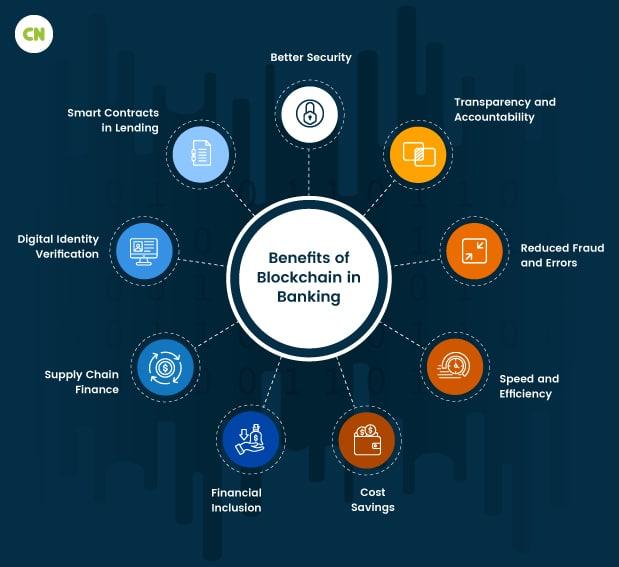
In the rapidly evolving landscape of financial compliance, blockchain technology stands out as a transformative force. By providing an immutable and transparent ledger, blockchain enhances the integrity of financial transactions, ensuring that every entry is traceable and verifiable. This not only reduces the risk of fraud but also simplifies the audit process, making it more efficient and less prone to errors. Organizations can leverage blockchain to build a robust compliance framework that aligns with regulatory requirements while fostering trust among stakeholders.
- Immutable Records: Once data is recorded on a blockchain, it cannot be altered, ensuring a permanent and tamper-proof audit trail.
- Real-Time Monitoring: Transactions can be tracked in real-time, providing immediate insights into financial activities and facilitating proactive compliance measures.
- Enhanced Security: Blockchain’s decentralized nature minimizes the risk of data breaches, safeguarding sensitive financial information.
- Cost Efficiency: By automating compliance checks and reducing the need for intermediaries, blockchain can significantly lower operational costs.
By integrating blockchain into their financial systems, companies can not only meet compliance standards more effectively but also gain a competitive edge in the marketplace. This technology empowers businesses to operate with greater transparency and accountability, setting a new standard for financial integrity.
AI-Driven Solutions for Proactive Compliance Management
In today’s fast-paced financial landscape, leveraging artificial intelligence can transform compliance management from a reactive to a proactive discipline. By harnessing AI-driven solutions, financial institutions can anticipate regulatory changes and ensure adherence to complex compliance requirements. Machine learning algorithms can analyze vast datasets to identify patterns and anomalies, allowing organizations to detect potential compliance issues before they escalate. This not only mitigates risks but also enhances the overall efficiency of compliance processes.
- Real-time Monitoring: AI tools provide continuous surveillance of transactions and operations, ensuring immediate detection of suspicious activities.
- Predictive Analytics: By forecasting potential regulatory changes, AI helps institutions stay ahead of compliance requirements.
- Automated Reporting: AI streamlines the generation of compliance reports, reducing manual effort and minimizing human error.
- Enhanced Decision-Making: With AI, compliance officers gain deeper insights, enabling more informed and timely decisions.
Embracing these technologies not only fortifies compliance frameworks but also empowers financial entities to operate with greater agility and confidence in an ever-evolving regulatory environment.