


In the ever-evolving landscape of modern business, where competition is fierce and customer loyalty is elusive, understanding the intricacies of consumer behavior has become more crucial than ever. At the heart of this understanding lies a powerful yet often underutilized tool: credit data. As companies strive to not only attract but also retain their customers, the strategic use of credit data emerges as a game-changer, offering unprecedented insights into consumer preferences, financial habits, and potential needs. This article delves into the pivotal role credit data plays in enhancing customer retention, exploring how businesses can harness its potential to foster deeper relationships, anticipate challenges, and ultimately, secure a loyal customer base in an age where every interaction counts. Through a blend of expert analysis and real-world examples, we uncover how credit data is not just a financial metric, but a vital component in crafting a customer experience that resonates and endures.
Understanding the Role of Credit Data in Customer Loyalty Strategies
In the ever-evolving landscape of customer loyalty strategies, leveraging credit data has emerged as a pivotal component in crafting personalized and effective retention initiatives. Credit data provides a wealth of insights into customer behaviors, preferences, and financial health, allowing businesses to tailor their offerings with precision. By understanding credit patterns, companies can segment their audience more effectively, offering targeted rewards and incentives that resonate with individual customer needs. This data-driven approach not only enhances customer satisfaction but also fosters long-term loyalty.
- Personalized Offers: Use credit data to craft bespoke offers that align with customers’ financial capabilities and preferences.
- Risk Assessment: Evaluate credit risk to offer suitable financial products, ensuring customer retention without compromising business security.
- Behavioral Insights: Analyze spending patterns to anticipate future needs and proactively address potential churn.
Integrating credit data into loyalty strategies enables businesses to create a seamless and rewarding customer experience. This strategic use of data not only strengthens customer relationships but also drives profitability by reducing churn and enhancing customer lifetime value.
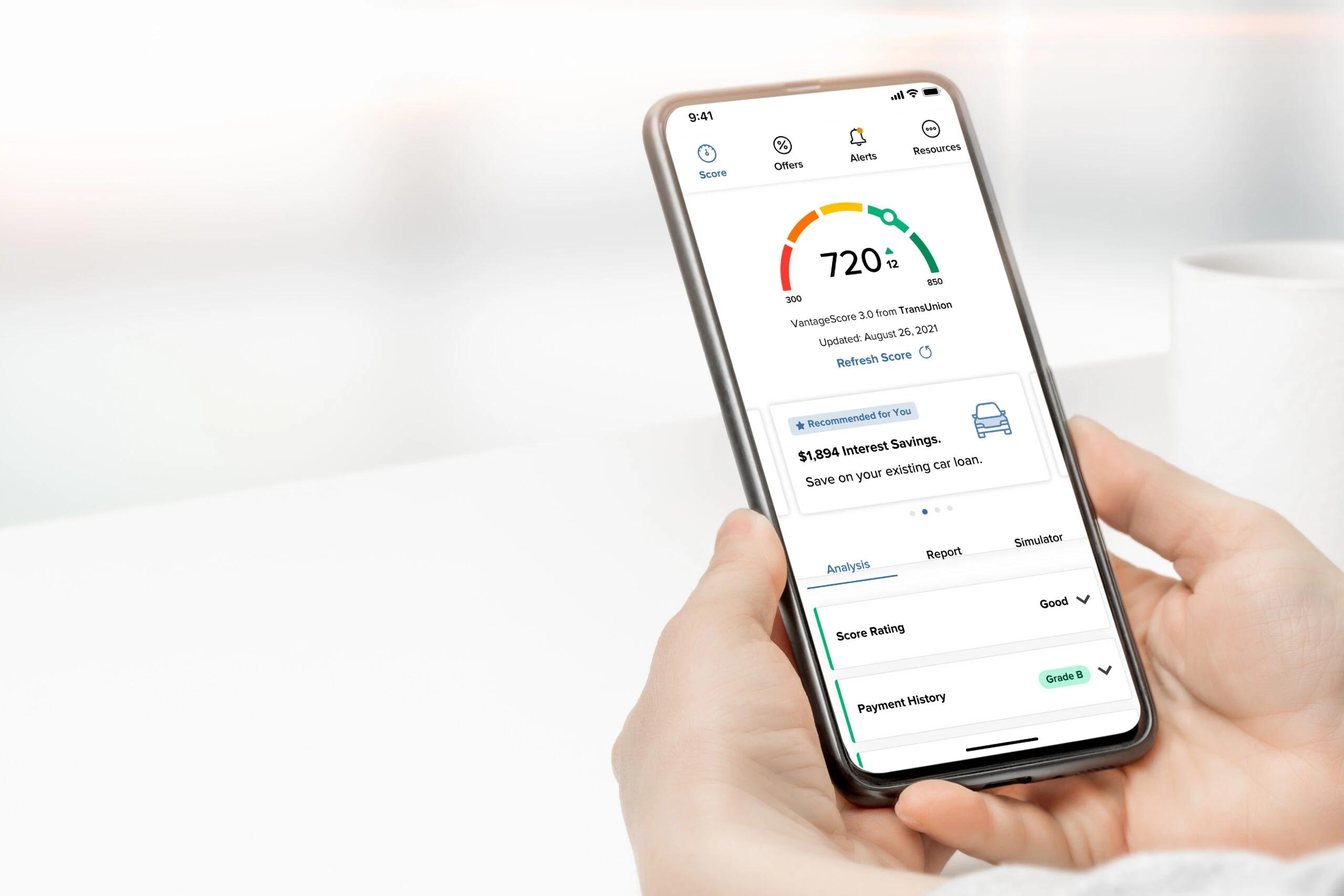
Leveraging Credit Insights to Tailor Personalized Retention Offers
In the ever-evolving landscape of customer retention, harnessing the power of credit insights can be a game-changer. By analyzing credit data, businesses can craft personalized retention offers that resonate with individual customer needs and financial situations. This approach not only enhances customer satisfaction but also strengthens brand loyalty. With credit insights, companies can identify customers who are at risk of attrition and proactively address their concerns with tailored solutions. This strategic use of data enables businesses to create offers that are not only relevant but also compelling, increasing the likelihood of customer retention.
- Understand customer credit behavior to anticipate potential challenges and offer solutions.
- Segment customers based on credit profiles to tailor offers that align with their financial realities.
- Enhance customer engagement by offering personalized financial advice and support.
- Boost customer loyalty by demonstrating a deep understanding of their financial needs and providing value-added services.
By integrating credit insights into the retention strategy, businesses can transform data into actionable intelligence, paving the way for a more personalized and effective customer experience. This not only reduces churn but also fosters a deeper connection between the brand and its customers, ultimately driving long-term success.
Harnessing Predictive Analytics for Proactive Customer Engagement
In the realm of customer retention, predictive analytics serves as a beacon of foresight, enabling businesses to anticipate and address customer needs before they arise. At the heart of this transformative capability lies credit data, a potent tool that offers deep insights into customer behavior and financial health. By leveraging this data, companies can craft personalized strategies that resonate with individual customers, thereby fostering loyalty and reducing churn.
Consider the following benefits of integrating credit data into your customer engagement strategy:
- Enhanced Personalization: Tailor offers and communication based on the financial profiles of your customers, ensuring relevance and timeliness.
- Risk Mitigation: Identify potential credit risks early and adjust engagement tactics accordingly to maintain a healthy customer base.
- Improved Forecasting: Use credit trends to predict future customer behavior, allowing for proactive adjustments in service offerings.
By harnessing the power of credit data, businesses not only enhance their predictive capabilities but also build a robust framework for sustained customer engagement. This approach not only fortifies customer relationships but also drives long-term business success.
Implementing Data-Driven Approaches to Minimize Churn Rates
In the quest to enhance customer retention, leveraging credit data can be a game-changer. By analyzing credit information, businesses can gain profound insights into customer behavior and preferences, enabling them to craft personalized experiences that resonate deeply with their clientele. Credit data serves as a powerful tool in identifying patterns and trends that might otherwise go unnoticed, allowing companies to anticipate potential churn risks and proactively address them. This data-driven approach empowers businesses to tailor their strategies, ensuring that they not only meet but exceed customer expectations.
- Identify at-risk customers: Use credit data to pinpoint individuals who may be on the verge of leaving, enabling timely interventions.
- Enhance customer engagement: Develop targeted marketing campaigns based on credit insights to foster stronger connections.
- Optimize product offerings: Tailor products and services to align with the financial profiles and needs of your customer base.
By integrating credit data into retention strategies, businesses can transform potential challenges into opportunities for growth and loyalty. This approach not only minimizes churn rates but also builds a robust foundation for long-term customer relationships.