

In an era where the flutter of a butterfly’s wings in one corner of the globe can trigger a financial tempest in another, the intricate dance of geopolitics has never been more consequential. As nations grapple with shifting alliances, trade tensions, and the specter of conflict, the global financial landscape finds itself on precarious footing. Geopolitical uncertainty, once a distant echo in the corridors of economic power, now reverberates with a force that is reshaping the contours of credit risk worldwide. This article delves into the complex interplay between political instability and financial vulnerability, exploring how the tremors of international discord are reverberating through the credit markets, challenging investors, policymakers, and institutions to navigate an increasingly volatile world. With a keen eye on the undercurrents of global affairs, we unravel the threads of uncertainty that are weaving a new tapestry of risk, compelling us to rethink the very foundations of financial stability in our interconnected age.
Navigating the Storm: Understanding the Impact of Geopolitical Tensions on Global Credit Markets
In the intricate dance of global finance, geopolitical tensions act as unpredictable tremors, sending ripples across credit markets. As nations engage in economic brinkmanship, the uncertainty it breeds can have profound effects on global credit risk. Investors and financial institutions find themselves navigating a landscape where traditional risk assessments are often rendered obsolete. The consequences of these tensions manifest in various ways:
- Volatility in Currency Markets: Political instability often leads to currency fluctuations, affecting cross-border investments and increasing the cost of borrowing in foreign currencies.
- Supply Chain Disruptions: Trade wars and sanctions can interrupt supply chains, impacting companies’ creditworthiness as they struggle with increased costs and operational delays.
- Shift in Investor Sentiment: Heightened geopolitical risks can lead to a flight to safety, where investors pull out of riskier assets, leading to increased borrowing costs for emerging markets.
In this climate, credit rating agencies are tasked with reassessing sovereign and corporate credit ratings, often leading to downgrades that can further exacerbate market instability. Financial stakeholders must remain vigilant, employing agile strategies to mitigate risks and safeguard their portfolios against the unpredictable nature of global political landscapes.
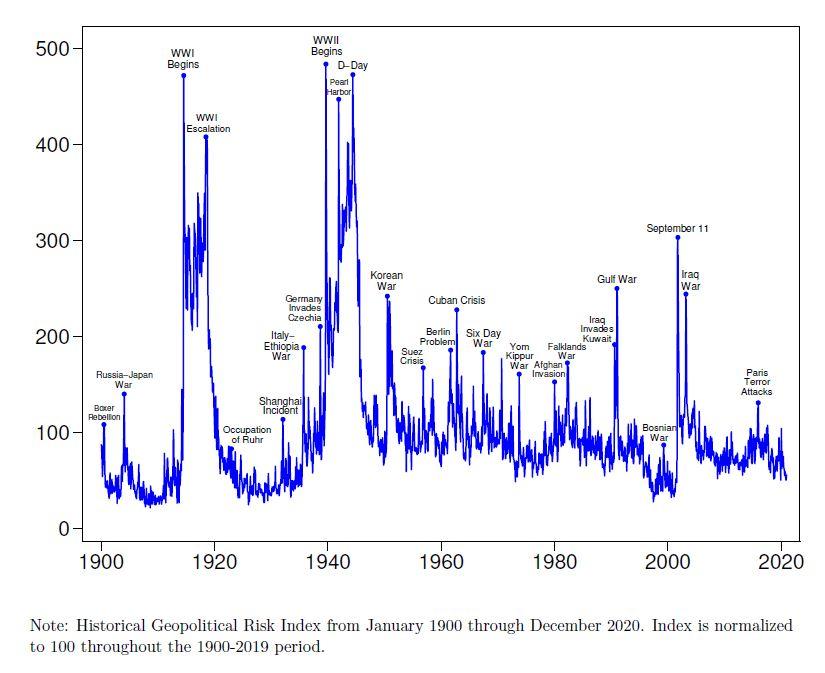
Strategic Insights: Analyzing the Ripple Effects of Political Instability on Financial Institutions
In an era marked by geopolitical turbulence, financial institutions find themselves navigating a labyrinth of uncertainty that extends far beyond traditional economic indicators. The intricate web of political instability can trigger a cascade of consequences, significantly impacting global credit risk. Banks and financial entities are now compelled to reassess their risk models, as unpredictable political landscapes can swiftly alter the economic terrain. Key factors contributing to this heightened risk include:
- Currency Volatility: Political unrest often leads to erratic fluctuations in currency values, affecting international trade and cross-border investments.
- Regulatory Shifts: Sudden changes in government policies can disrupt financial regulations, leading to compliance challenges and increased operational costs.
- Market Sentiment: Investor confidence can waver in times of political uncertainty, resulting in volatile market conditions and liquidity constraints.
As these elements intertwine, they create a complex risk landscape that demands strategic foresight and agility from financial institutions. The ability to anticipate and adapt to these changes is no longer optional but essential for survival in a world where political dynamics can redefine economic realities overnight.
Proactive Measures: Strengthening Credit Risk Management Amidst Global Uncertainty
In today’s volatile geopolitical landscape, organizations must adopt proactive measures to mitigate credit risk effectively. This involves a strategic approach that goes beyond traditional risk assessment methods. Financial institutions are now leveraging advanced analytics and real-time data monitoring to identify potential risks before they escalate. By integrating machine learning algorithms, they can predict credit defaults with greater accuracy, enabling them to adjust credit limits and terms proactively.
Furthermore, diversifying credit portfolios is essential. Companies are advised to spread their credit exposure across various sectors and geographies to minimize the impact of regional instability. Key strategies include:
- Implementing dynamic credit scoring models that adapt to changing market conditions.
- Enhancing cross-border collaboration to share insights and best practices.
- Regularly stress-testing portfolios against multiple geopolitical scenarios.
By embracing these innovative strategies, organizations can not only safeguard their financial health but also seize opportunities in uncertain times.
Expert Recommendations: Building Resilient Financial Strategies in Unpredictable Times
In the current landscape of global finance, the intricate web of geopolitical events is weaving a tapestry of heightened credit risk. As nations grapple with political upheavals, trade tensions, and regulatory shifts, financial institutions must navigate a minefield of potential pitfalls. To build resilient financial strategies, experts recommend a multifaceted approach that anticipates and adapts to these uncertainties.
- Portfolio Diversification: Diversifying investments across various sectors and geographies can mitigate the impact of localized geopolitical disturbances.
- Stress Testing: Regularly conducting stress tests on portfolios helps institutions prepare for worst-case scenarios and adjust their strategies accordingly.
- Enhanced Due Diligence: Implementing rigorous due diligence processes ensures a deeper understanding of the geopolitical risks associated with potential investments.
- Dynamic Risk Assessment: Continuously updating risk assessment models to reflect the latest geopolitical developments can provide a proactive edge.
By integrating these expert recommendations, financial entities can bolster their defenses against the unpredictable waves of global credit risk, ensuring stability and growth even amidst the most volatile times.