
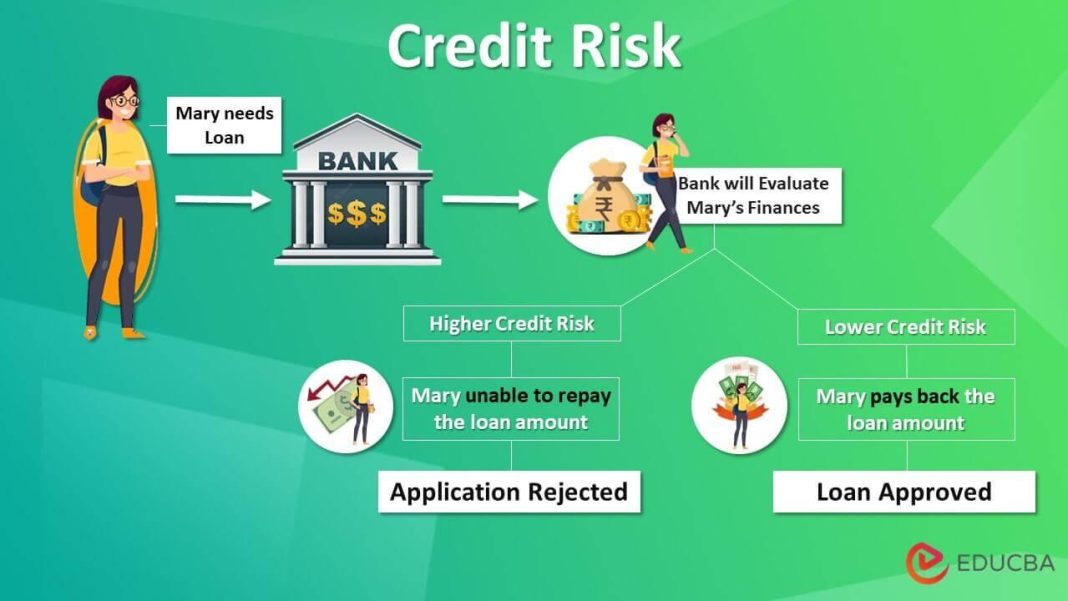

In the ever-evolving tapestry of global finance, where markets are as unpredictable as the winds, central banks stand as the grand orchestrators, conducting the symphony of economic stability. Their decisions, often shrouded in complexity and anticipation, send ripples across the financial seas, influencing everything from interest rates to investor confidence. For financial institutions, navigating these waters requires a keen understanding of credit risk exposure—a critical element that can determine the difference between navigating smoothly or capsizing under unforeseen pressures. This article delves into the art and science of managing credit risk in response to central bank maneuvers, offering authoritative insights into strategies that safeguard financial health while capitalizing on emerging opportunities. As we explore the interplay between policy shifts and credit risk management, we unravel the intricate dance that institutions must perform to maintain equilibrium in a world of perpetual change. Credit Risk Management“>Central Bank Policies with Strategic Credit Risk Management”>
Navigating Central Bank Policies with Strategic Credit Risk Management
In the ever-evolving landscape of global finance, central bank policies can dramatically influence credit risk exposure. Financial institutions must adopt a proactive stance, leveraging strategic credit risk management to navigate these changes effectively. By understanding the implications of interest rate adjustments, quantitative easing, or tightening measures, businesses can tailor their risk assessment frameworks to anticipate potential shifts in borrower behavior and market conditions.
- Risk Assessment: Continuously evaluate the creditworthiness of borrowers by incorporating real-time data analytics and predictive modeling.
- Portfolio Diversification: Mitigate concentration risk by diversifying credit portfolios across various sectors and geographies.
- Stress Testing: Conduct rigorous stress tests to assess the resilience of portfolios under different economic scenarios prompted by central bank actions.
- Policy Monitoring: Establish dedicated teams to monitor and interpret central bank announcements, ensuring timely strategic adjustments.
By embedding these practices into their risk management strategies, institutions can not only safeguard their assets but also capitalize on emerging opportunities presented by shifts in monetary policy.

Harnessing Data Analytics to Predict and Mitigate Credit Risk
In the ever-evolving financial landscape, central bank decisions play a pivotal role in shaping the contours of credit risk exposure. By leveraging data analytics, financial institutions can not only predict but also strategically mitigate these risks. Data analytics empowers organizations to sift through vast datasets, identifying patterns and trends that are indicative of potential credit risk. This proactive approach allows for a more nuanced understanding of how policy changes might impact credit portfolios.
- Real-time Monitoring: Continuous analysis of economic indicators and borrower behavior can provide early warnings of credit deterioration.
- Scenario Analysis: Simulating various economic conditions helps in assessing the potential impact of central bank policy shifts on credit risk.
- Predictive Modeling: Advanced algorithms forecast credit defaults, enabling preemptive action to safeguard financial health.
By embedding these analytical capabilities into their risk management frameworks, financial institutions can remain agile, adapting swiftly to central bank policy changes. This not only enhances their ability to manage credit risk but also strengthens their overall resilience in a dynamic economic environment.
Crafting Robust Credit Portfolios in a Volatile Economic Landscape
In an era where central banks wield substantial influence over economic stability, crafting a resilient credit portfolio demands both foresight and adaptability. The dynamic nature of monetary policies necessitates a strategic approach to managing credit risk exposure. Portfolio diversification becomes a cornerstone strategy, ensuring that investments are spread across various sectors and geographies to mitigate localized economic shocks. Stress testing is another critical tool, allowing financial institutions to simulate adverse economic scenarios and adjust their risk management strategies accordingly.
Financial leaders must also pay close attention to interest rate fluctuations and their ripple effects on credit markets. By maintaining a keen eye on central bank communications and policy shifts, institutions can proactively adjust their credit strategies. Key tactics include:
- Rebalancing portfolios to favor assets with lower sensitivity to interest rate changes.
- Enhancing liquidity buffers to withstand periods of economic uncertainty.
- Implementing dynamic hedging strategies to protect against adverse rate movements.
In this volatile landscape, the ability to swiftly adapt to central bank decisions is not just advantageous—it’s essential for maintaining robust credit portfolios.
Proactive Measures for Aligning Credit Risk Strategies with Monetary Shifts
In the ever-evolving landscape of financial markets, it’s imperative for institutions to remain vigilant and agile in their credit risk management strategies. Central bank decisions can swiftly alter the economic environment, necessitating a proactive approach to align credit risk strategies with these monetary shifts. Financial institutions should consider implementing the following measures:
- Dynamic Risk Assessment: Regularly update risk models to incorporate new economic data and central bank announcements. This ensures that the credit risk profile accurately reflects the current economic conditions.
- Stress Testing: Conduct rigorous stress tests under various scenarios influenced by potential central bank actions. This helps in understanding the impact on credit portfolios and prepares institutions for adverse conditions.
- Portfolio Diversification: Diversify credit portfolios to mitigate concentration risk. By spreading exposure across different sectors and geographies, institutions can buffer against localized economic disruptions.
- Stakeholder Communication: Maintain open lines of communication with stakeholders, including investors and clients, to manage expectations and convey confidence in the institution’s risk management capabilities.
By integrating these proactive measures, financial institutions can effectively navigate the complexities introduced by central bank policies, ensuring robust credit risk management that is both responsive and resilient.