

In the intricate dance of modern finance, credit risk emerges as both a shadow and a guide, shaping the contours of today’s market landscape. As the global economy pulses with unprecedented complexity, understanding the key factors driving credit risk becomes not just an exercise in prudence, but a necessity for survival and success. In this exploration, we delve into the forces at play—ranging from geopolitical tremors to technological revolutions—that redefine risk and opportunity. With an authoritative lens, we unravel the threads of economic indicators, regulatory shifts, and market sentiment, offering a comprehensive guide to navigating the ever-evolving terrain of credit risk in the contemporary financial ecosystem. Join us as we decode the dynamics that influence creditworthiness and illuminate the path forward for investors, lenders, and policymakers alike.
Understanding Economic Indicators and Their Impact on Credit Risk
Economic indicators are the compass guiding investors, financial institutions, and policymakers through the complex landscape of credit risk. These indicators, ranging from GDP growth rates to unemployment figures, serve as vital signals that help predict the financial health of borrowers and the broader economy. Understanding their nuances is crucial for assessing potential credit risks. For instance, a declining GDP may suggest a shrinking economy, increasing the likelihood of defaults. Conversely, robust employment figures can signal a stable or improving economic environment, potentially reducing credit risk.
Key economic indicators influencing credit risk include:
- Inflation Rates: High inflation can erode purchasing power, impacting borrowers’ ability to repay loans.
- Interest Rates: Rising rates can increase borrowing costs, affecting both consumer and corporate debt levels.
- Consumer Confidence: A drop in confidence can lead to reduced spending and investment, potentially increasing default rates.
- Housing Market Trends: Fluctuations in housing prices can impact mortgage defaults and the overall credit market stability.
By closely monitoring these indicators, stakeholders can make informed decisions to mitigate potential risks, ensuring a more resilient financial landscape.
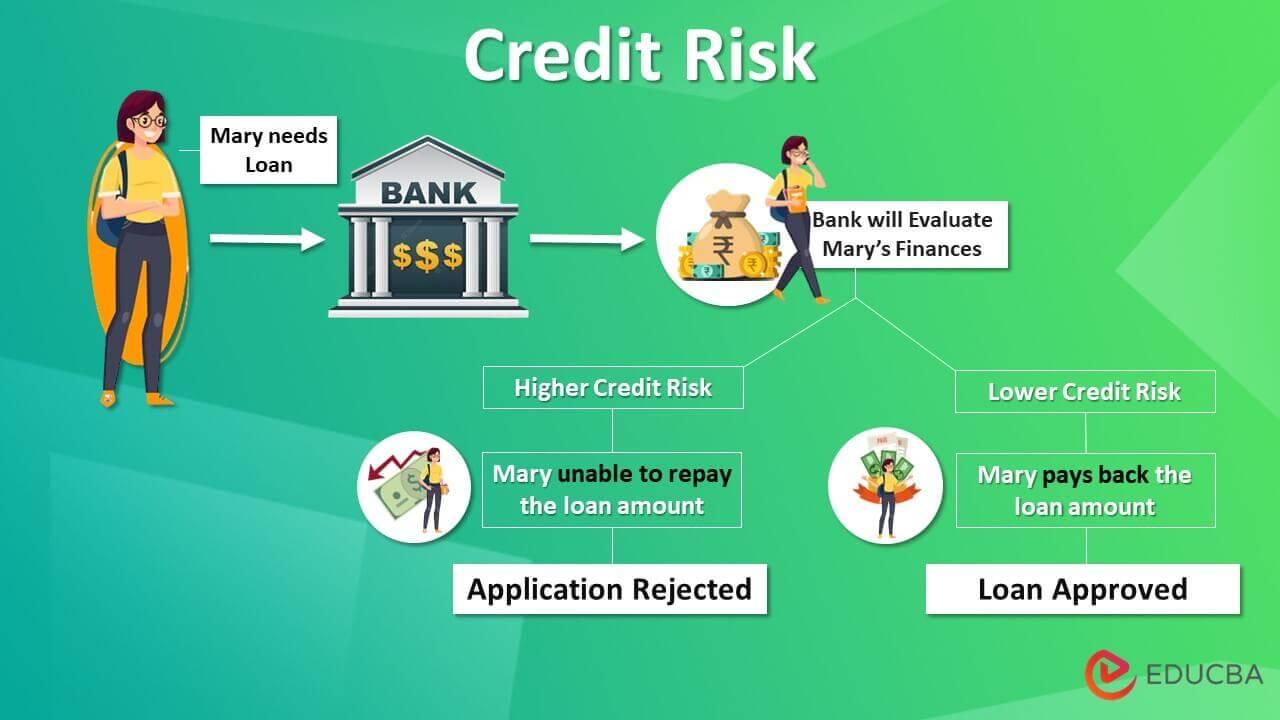
Navigating Regulatory Changes and Compliance Challenges
In the current financial landscape, the intricate web of regulatory changes presents a formidable challenge for institutions striving to manage credit risk effectively. With the introduction of new policies and amendments to existing frameworks, financial entities must stay vigilant and adaptable. Compliance is no longer a static goal but a dynamic process requiring continuous attention. Key regulatory changes include:
- Basel III Revisions: Enhancements in capital requirements and liquidity coverage ratios demand meticulous adjustments in risk management strategies.
- GDPR and Data Privacy: The stringent requirements for data protection necessitate robust systems to safeguard customer information, impacting credit risk assessments.
- Anti-Money Laundering (AML) Regulations: Heightened scrutiny and reporting obligations compel financial institutions to refine their monitoring and compliance mechanisms.
These evolving regulations necessitate a proactive approach, integrating compliance into the core of credit risk management. Financial institutions must leverage technology and data analytics to navigate these challenges, ensuring they remain not only compliant but also competitive in a rapidly changing market.

Assessing Borrower Behavior in a Digital-First Era
In the rapidly evolving landscape of the digital-first era, understanding the nuances of borrower behavior is paramount for accurately assessing credit risk. With the proliferation of online financial platforms, lenders now have access to a wealth of data that can be harnessed to gain insights into consumer habits and preferences. Key factors influencing credit risk include:
- Digital Footprint Analysis: Lenders are increasingly leveraging data from social media, online transactions, and digital communication to gauge borrower reliability and intent.
- Behavioral Scoring Models: Advanced algorithms and machine learning techniques are being employed to create more nuanced scoring models that go beyond traditional credit scores.
- Real-time Data Monitoring: The ability to continuously monitor financial behaviors allows for dynamic risk assessment, enabling lenders to make more informed decisions.
As financial institutions navigate this new terrain, the challenge lies in balancing the vast potential of digital insights with ethical considerations and data privacy regulations. The strategic integration of these factors will be crucial in shaping the future of credit risk management.
Strategic Risk Mitigation Techniques for Financial Institutions
In the dynamic landscape of financial markets, institutions are constantly navigating the complexities of credit risk. Strategic risk mitigation is crucial for maintaining stability and fostering growth. One effective technique is the implementation of advanced data analytics, which enables institutions to assess creditworthiness with unprecedented precision. By leveraging machine learning algorithms, financial entities can predict potential defaults and adjust their portfolios accordingly, thereby reducing exposure to high-risk assets.
Additionally, establishing robust risk governance frameworks is essential. This involves cultivating a culture of risk awareness across all levels of the organization, ensuring that decision-makers are equipped with the necessary tools and information to make informed choices. Key components include:
- Regular stress testing to evaluate the impact of adverse market conditions.
- Comprehensive risk assessment protocols that integrate both qualitative and quantitative measures.
- Enhanced communication channels for swift dissemination of risk-related insights.
By prioritizing these strategies, financial institutions can effectively mitigate credit risk, safeguarding their assets and enhancing their resilience in an ever-evolving market.