
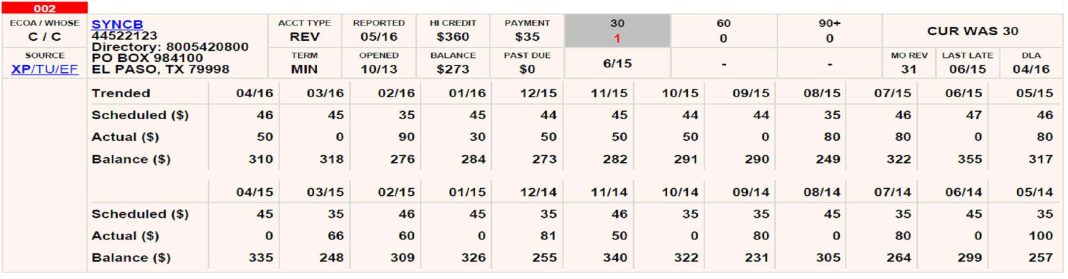

In the dynamic landscape of modern marketing, where every dollar counts and every campaign is scrutinized for its return on investment, businesses are in constant pursuit of strategies that promise higher yields. Enter credit data—a powerful yet often underutilized tool that holds the potential to revolutionize marketing efforts. As the digital age ushers in an era of data-driven decision-making, leveraging credit data emerges as a beacon of precision and efficiency. This article delves into the compelling reasons why incorporating credit data into marketing strategies not only enhances targeting accuracy but also amplifies return on investment. By understanding consumer credit behaviors, businesses can craft campaigns that resonate more deeply, ensuring that marketing dollars are not just spent, but invested wisely. Join us as we explore the transformative impact of credit data on marketing ROI, backed by insights that promise to elevate your strategic approach to new heights.
Harnessing Consumer Insights to Drive Precision Marketing
In the realm of precision marketing, leveraging credit data can significantly enhance the effectiveness of your campaigns, leading to a higher return on investment (ROI). By tapping into this rich source of consumer insights, businesses can gain a deeper understanding of their target audience’s financial behaviors and preferences. This data allows marketers to segment their audience more accurately, ensuring that the right message reaches the right people at the right time. Credit data provides valuable indicators such as spending habits, creditworthiness, and payment patterns, which can be used to tailor marketing strategies that resonate with individual consumers.
- Enhanced Targeting: Utilize credit data to refine audience segmentation, focusing on consumers with specific financial profiles.
- Personalized Messaging: Craft messages that align with the financial behaviors and needs of your audience, increasing engagement.
- Optimized Ad Spend: Allocate marketing budgets more efficiently by targeting high-value prospects who are more likely to convert.
By integrating credit data into your marketing efforts, you not only improve precision but also foster a more personalized customer experience, ultimately driving a higher marketing ROI.
Unlocking the Power of Predictive Analytics for Targeted Campaigns
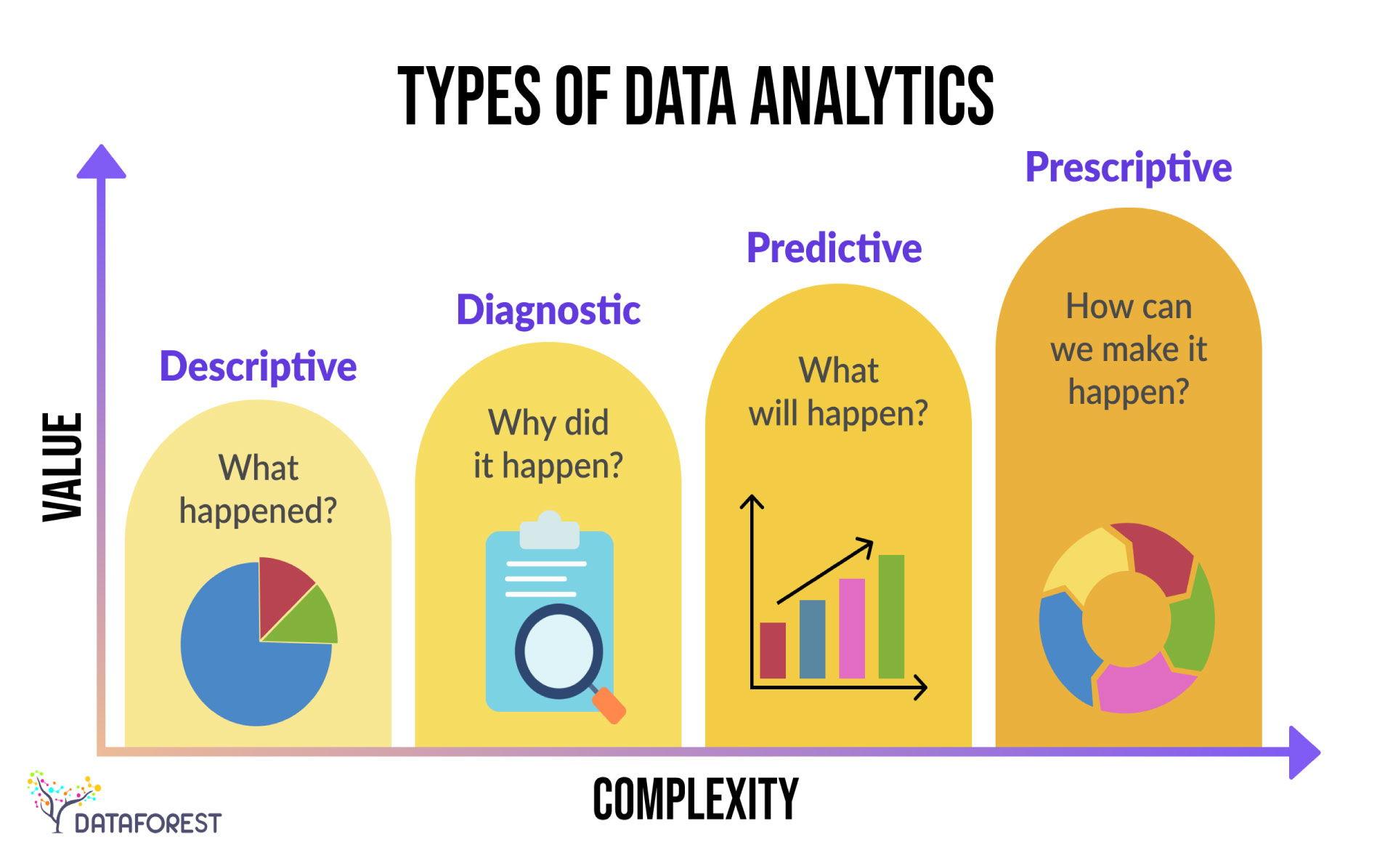
In the realm of predictive analytics, leveraging credit data is akin to wielding a precision tool in a craftsman’s workshop. This data provides marketers with unparalleled insights into consumer behavior, enabling them to tailor campaigns with laser-like accuracy. By understanding credit scores, payment histories, and borrowing habits, businesses can segment their audience more effectively, ensuring that marketing messages resonate with the right individuals at the right time.
- Enhanced Targeting: Credit data allows for the identification of high-value prospects, minimizing wastage and maximizing engagement.
- Personalized Messaging: Tailor your campaigns to align with the financial profiles of your audience, increasing relevance and response rates.
- Risk Mitigation: Predictive analytics helps in assessing the creditworthiness of potential customers, reducing the risk of targeting financially unstable segments.
By integrating credit data into your marketing strategy, you not only enhance the precision of your campaigns but also drive a higher return on investment. This data-driven approach ensures that every marketing dollar is spent wisely, reaching consumers who are most likely to convert, thus unlocking new levels of profitability and efficiency.

Enhancing Customer Engagement through Data-Driven Strategies
In today’s competitive market, leveraging credit data can significantly boost your marketing efforts, resulting in a higher return on investment (ROI). By analyzing credit information, businesses can gain deeper insights into consumer behavior, preferences, and purchasing power. This data-driven approach allows for the creation of more targeted and personalized marketing campaigns, which are more likely to resonate with potential customers. Understanding credit profiles helps in segmenting audiences effectively, ensuring that marketing messages reach the right individuals at the right time.
- Precision Targeting: Credit data allows for the identification of high-value customers, enabling marketers to tailor their strategies to specific demographics and financial profiles.
- Improved Customer Retention: By understanding customers’ financial behaviors, businesses can anticipate needs and offer solutions that foster loyalty.
- Enhanced Product Offerings: Insights from credit data can inform product development, ensuring offerings align with consumer demand and financial capabilities.
Integrating credit data into your marketing strategy not only enhances customer engagement but also drives efficiency and effectiveness in your campaigns, ultimately leading to a substantial increase in marketing ROI.

Maximizing Return on Investment with Credit-Based Segmentation
Incorporating credit data into your marketing strategy allows businesses to finely tune their audience segmentation, ultimately enhancing their return on investment. By leveraging this data, companies can identify and target specific consumer groups with greater precision. This not only optimizes marketing efforts but also ensures that resources are allocated efficiently. Credit-based segmentation empowers marketers to craft personalized messages that resonate with the financial realities of their audience, fostering stronger connections and driving higher conversion rates.
- Enhanced Targeting: Tailor campaigns to reach consumers with the highest potential for engagement and conversion.
- Resource Optimization: Allocate marketing budgets more effectively by focusing on segments with the greatest ROI potential.
- Improved Customer Insights: Gain a deeper understanding of consumer behavior and preferences, enabling more informed decision-making.
By embracing the power of credit data, businesses can not only maximize their marketing ROI but also build lasting relationships with their customers, ultimately driving sustained growth and success.