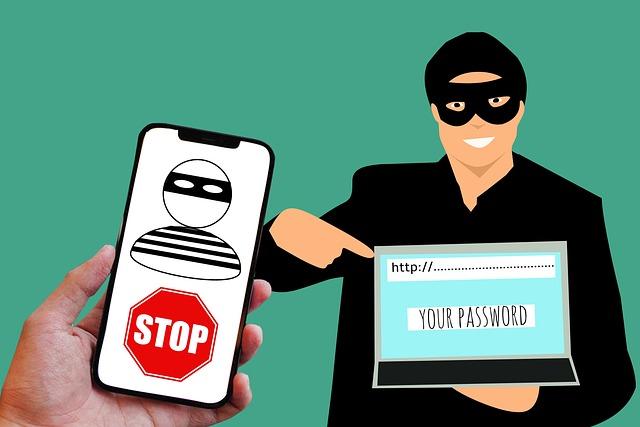


In the digital age, where the virtual world intertwines seamlessly with our daily lives, the creation of online accounts has become as routine as morning coffee. Yet, lurking beneath this seemingly benign activity is a sophisticated menace: account creation fraud. As businesses and individuals increasingly rely on digital platforms for communication, commerce, and connection, the stakes have never been higher. Fraudsters, armed with ever-evolving tactics, are poised to exploit vulnerabilities, turning what should be a gateway to opportunity into a portal of peril. This article delves into the intricate web of account creation fraud, unraveling the telltale signs of deceit and equipping you with robust strategies to thwart these digital intruders. With an authoritative lens, we explore the anatomy of fraudulent account creation, empowering you to safeguard your digital domain against those who seek to undermine it.
Spotting the Signs of Suspicious Account Activity
In today’s digital landscape, vigilance is key to safeguarding your online presence. Suspicious account activity can often be identified through a series of red flags that warrant immediate attention. Keep an eye out for:
- Unusual Login Locations: If you notice logins from countries or regions where you don’t typically operate, this could indicate unauthorized access.
- Multiple Failed Login Attempts: A surge in unsuccessful login attempts might suggest someone is trying to breach your account security.
- Sudden Changes in Account Details: Be wary of unexpected changes to your account information, such as email addresses or phone numbers.
- Unfamiliar Transactions or Activities: Transactions or activities that you do not recognize should be investigated promptly.
By staying alert to these indicators, you can act swiftly to protect your accounts from fraudulent activity. Implementing robust security measures and regular monitoring can significantly reduce the risk of account creation fraud.
Fortifying Your Registration Process Against Fraudsters
In the digital age, fraudsters are constantly evolving their tactics, making it crucial for businesses to stay one step ahead. Strengthening your registration process is not just about adding more steps; it’s about implementing smart, strategic measures that deter malicious activity while maintaining a seamless user experience. Here are some essential strategies:
- Utilize Multi-Factor Authentication (MFA): Adding an extra layer of security can significantly reduce fraudulent account creation. By requiring users to verify their identity through multiple channels, you make it harder for imposters to gain access.
- Incorporate CAPTCHA Systems: These tools are designed to differentiate between humans and bots, effectively filtering out automated attempts to create fake accounts.
- Implement Real-Time Monitoring: Use advanced analytics to monitor registration patterns and flag any suspicious activity. This proactive approach allows you to respond quickly to potential threats.
- Leverage Device Fingerprinting: By identifying unique device characteristics, you can detect anomalies that may indicate fraudulent behavior, even if the user is trying to mask their identity.
By integrating these measures, you not only protect your platform from fraudulent activities but also build trust with your genuine users, ensuring a secure and reliable service.

Leveraging Technology to Detect and Deter Fraud
In today’s digital landscape, technology plays a pivotal role in safeguarding against account creation fraud. By harnessing advanced algorithms and machine learning, businesses can identify suspicious activities in real-time, ensuring that fraudulent accounts are detected before they cause harm. These technologies can analyze vast amounts of data, spotting anomalies and patterns that might elude human detection. Furthermore, the integration of artificial intelligence allows for adaptive learning, meaning the system becomes more adept at recognizing fraudulent behaviors over time.
To effectively deter fraudsters, companies can implement a combination of strategic measures:
- Behavioral Analytics: Monitor user interactions and flag unusual patterns.
- Multi-Factor Authentication (MFA): Add an extra layer of security to verify user identities.
- Device Fingerprinting: Identify unique device attributes to detect unauthorized access.
- IP Address Tracking: Block or scrutinize suspicious IP addresses.
- Data Encryption: Protect sensitive information from being intercepted or altered.
By leveraging these technologies, businesses not only protect themselves but also foster trust with their users, ensuring a safer and more secure digital environment.

Crafting a Comprehensive Strategy for Fraud Prevention
In the digital age, crafting a robust strategy to combat fraudulent account creation is imperative for safeguarding your business and maintaining trust with your users. Start by implementing a multi-layered verification process. Email verification is a basic yet effective tool, but consider enhancing it with phone number validation and two-factor authentication (2FA). These steps add an extra layer of security, making it harder for fraudsters to exploit your platform.
Utilize machine learning algorithms to analyze patterns and detect anomalies in account creation attempts. This technology can help identify suspicious activities, such as multiple accounts being created from the same IP address or the use of disposable email addresses. Additionally, integrate behavioral analytics to monitor user actions and flag irregular behaviors that deviate from typical user patterns. By employing these strategies, you not only deter fraudulent activities but also create a safer environment for legitimate users.
- Multi-layered verification: Email, phone, 2FA
- Machine learning: Detect patterns and anomalies
- Behavioral analytics: Monitor and flag irregular activities