


In the digital age, where a simple swipe or click can unlock a world of possibilities, the convenience of modern payment methods is unparalleled. Yet, lurking in the shadows of this seamless financial landscape is a growing menace: payment fraud. Like a cunning chameleon, it adapts and evolves, exploiting vulnerabilities in systems and human nature alike. As we become increasingly reliant on digital transactions, the threat of payment fraud looms larger than ever, posing significant risks to individuals and businesses worldwide. In this article, we delve into the intricate web of factors fueling the rise of payment fraud and arm you with the knowledge and strategies needed to safeguard your financial well-being. Prepare to navigate the treacherous waters of the digital economy with confidence and authority.
Understanding the Modern Landscape of Payment Fraud
In today’s digital age, the landscape of payment fraud is evolving at an unprecedented pace. With the rapid advancement of technology, fraudsters are becoming more sophisticated, exploiting vulnerabilities in both traditional and digital payment systems. This surge in fraudulent activities is largely driven by the increased adoption of online transactions, mobile payments, and contactless technology. As businesses and consumers embrace these conveniences, they inadvertently open doors to cybercriminals who are constantly developing new tactics to bypass security measures.
To combat this growing threat, it’s crucial to stay informed and proactive. Here are some strategies to protect yourself and your business from falling victim to payment fraud:
- Implement Multi-Factor Authentication: Adding an extra layer of security can significantly reduce the risk of unauthorized access.
- Regularly Update Software: Ensure that all systems and applications are up-to-date with the latest security patches.
- Educate Employees and Customers: Awareness is key. Conduct regular training sessions to help recognize and report suspicious activities.
- Monitor Transactions: Use advanced analytics to detect unusual patterns or anomalies in transaction data.
- Invest in Robust Security Solutions: Consider employing AI-driven tools that can adapt to new fraud tactics in real-time.
By adopting these measures, you can better safeguard your financial assets and contribute to a more secure payment ecosystem.
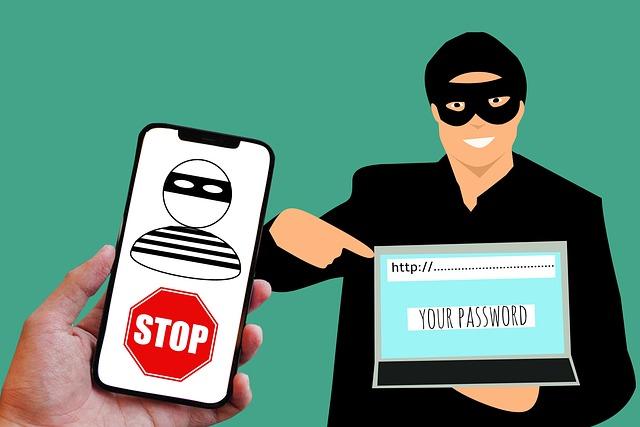
Key Drivers Behind the Surge in Fraudulent Activities
The rise in fraudulent activities can be attributed to several key drivers that have reshaped the landscape of digital transactions. One significant factor is the rapid evolution of technology, which, while providing immense benefits, has also equipped fraudsters with sophisticated tools to exploit vulnerabilities. The proliferation of AI and machine learning has enabled cybercriminals to automate attacks, making them more efficient and harder to detect. Furthermore, the increasing adoption of e-commerce and digital payment systems has expanded the attack surface, providing more opportunities for fraudulent activities.
Another driver is the growing complexity of supply chains and the global nature of commerce, which often result in fragmented security measures and inconsistent regulatory environments. This inconsistency creates loopholes that fraudsters are quick to exploit. Additionally, the human factor remains a critical vulnerability, as social engineering tactics continue to deceive individuals and businesses alike. Consider these elements:
- Technological advancements: Automation and AI tools used by fraudsters.
- Increased digital transactions: More online activities mean more opportunities for fraud.
- Complex supply chains: Inconsistent security measures across borders.
- Human vulnerabilities: Social engineering and phishing tactics.

Effective Strategies to Safeguard Your Transactions
In today’s digital age, protecting your financial transactions is more crucial than ever. Here are some effective strategies to keep your transactions secure:
- Use Strong Passwords: Ensure that your passwords are complex and unique for each account. Consider using a password manager to keep track of them.
- Enable Two-Factor Authentication (2FA): This adds an extra layer of security by requiring a second form of verification, such as a text message or authentication app.
- Monitor Your Accounts Regularly: Frequently check your bank and credit card statements for any unauthorized transactions.
- Be Wary of Phishing Scams: Always verify the source before clicking on links or downloading attachments from emails.
- Utilize Secure Payment Methods: Opt for payment services that offer buyer protection and secure transaction processing.
By adopting these practices, you can significantly reduce the risk of falling victim to payment fraud and ensure your financial safety.
Harnessing Technology to Combat Payment Fraud
In an era where digital transactions have become the norm, the rise in payment fraud is a pressing concern. Fortunately, leveraging technology can significantly mitigate these risks. Artificial Intelligence (AI) and Machine Learning (ML) are at the forefront of this battle, providing robust solutions to detect and prevent fraudulent activities. These technologies analyze vast amounts of transaction data in real-time, identifying patterns and anomalies that may indicate fraud. By continuously learning from new data, AI and ML systems can adapt to evolving fraud tactics, offering a dynamic defense mechanism.
Furthermore, blockchain technology is revolutionizing payment security by providing a decentralized and transparent ledger system. This technology ensures that every transaction is immutable and verifiable, reducing the likelihood of fraudulent activities. Businesses can also employ multi-factor authentication (MFA) to add an extra layer of security, requiring users to verify their identity through multiple methods. Consider implementing these technologies to protect your financial transactions:
- AI and ML algorithms for real-time fraud detection
- Blockchain systems for secure and transparent transactions
- Multi-factor authentication to verify user identities