
In the intricate dance of finance, where opportunities and uncertainties twirl in tandem, the concept of credit risk assessment emerges as a pivotal partner. Imagine a seasoned navigator charting a course through turbulent seas; this is the role of credit risk assessment in the financial world. It is the meticulous art and science of evaluating the likelihood that a borrower might default on their financial obligations. As businesses and individuals alike seek to harness the power of borrowed capital, understanding credit risk becomes paramount. This process not only safeguards lenders but also ensures the stability of the broader economic landscape. In this article, we delve into the depths of credit risk assessment, unraveling its complexities and illuminating its significance in today’s ever-evolving financial ecosystem. Prepare to embark on a journey through the mechanisms that underpin financial trust and resilience, guided by the principles of prudent risk evaluation.
Understanding the Fundamentals of Credit Risk Assessment
In the intricate world of finance, the ability to evaluate the potential risks associated with lending is paramount. Credit risk assessment is a critical process that involves analyzing the likelihood that a borrower will default on their financial obligations. This assessment not only safeguards lenders but also maintains the stability of financial systems. At its core, credit risk assessment hinges on a few fundamental principles:
- Creditworthiness Evaluation: This involves examining the borrower’s financial history, including credit scores, past loans, and repayment behavior.
- Financial Health Analysis: A thorough review of the borrower’s income, assets, and liabilities to gauge their ability to meet future payment commitments.
- Market Conditions: Understanding the economic environment and industry-specific factors that might impact the borrower’s financial situation.
By mastering these fundamentals, financial institutions can make informed lending decisions, balancing risk and opportunity effectively. The ultimate goal is to ensure that the extension of credit is both responsible and profitable, aligning with the institution’s strategic objectives.

Key Factors and Metrics in Evaluating Creditworthiness
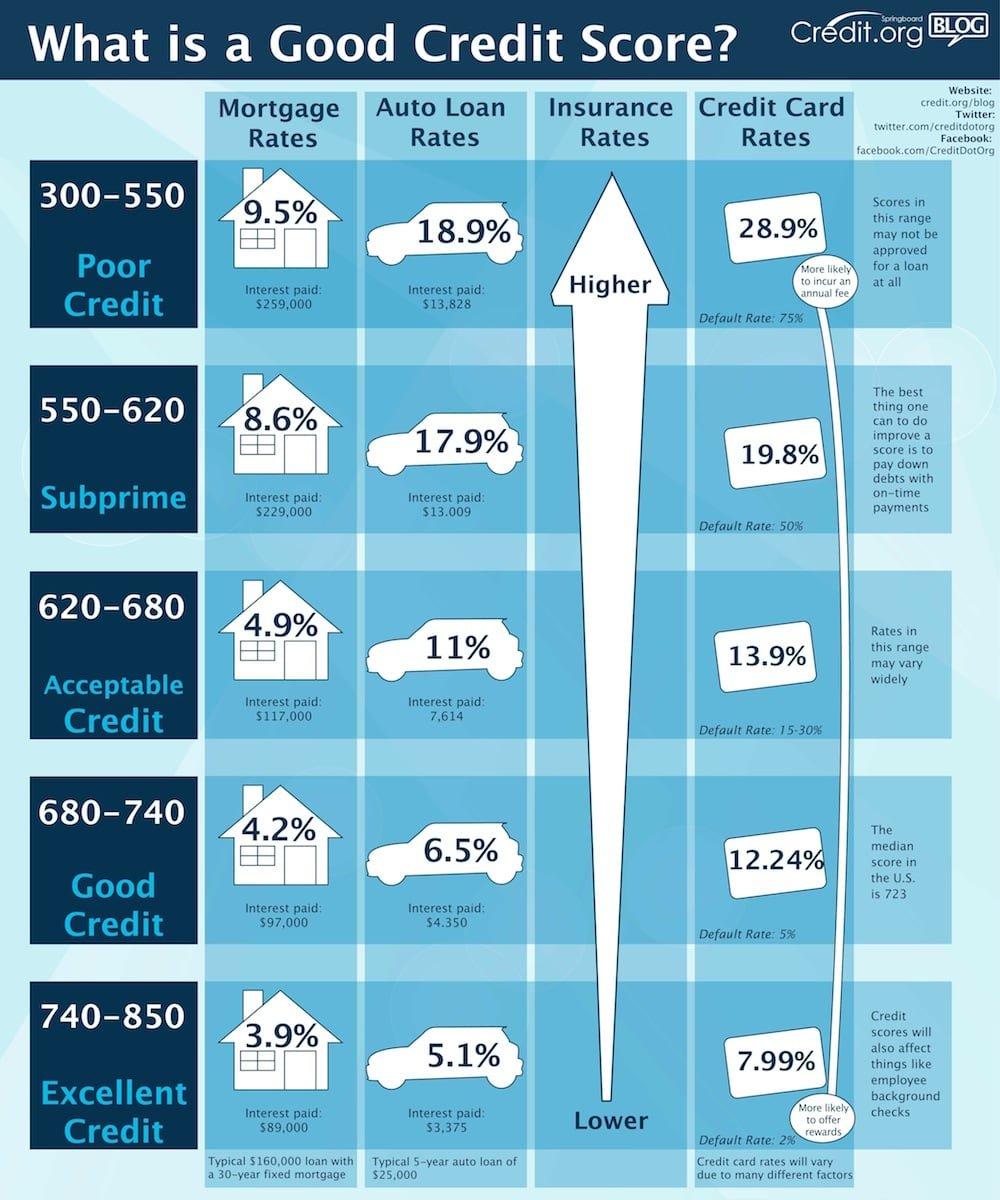
In the intricate world of finance, determining an individual’s or entity’s ability to honor their debt obligations hinges on a blend of qualitative and quantitative measures. Creditworthiness is often gauged through a series of critical factors and metrics that paint a comprehensive picture of financial health. One of the most pivotal elements is the credit score, a numerical representation of credit history that lenders use to predict future behavior. This score is influenced by several components, including payment history, amounts owed, length of credit history, and types of credit in use.
Beyond the numerical score, other vital metrics include:
- Debt-to-Income Ratio (DTI): This metric compares an individual’s monthly debt payments to their monthly income, offering insights into their financial flexibility.
- Collateral: The value of assets pledged as security can significantly affect credit assessments, providing lenders with assurance in case of default.
- Employment History: A stable employment record can signal reliable income streams, enhancing perceived creditworthiness.
- Credit Utilization Ratio: This is the ratio of current credit card balances to credit limits, and maintaining a low ratio is often viewed favorably.
Each of these factors plays a crucial role in shaping the narrative of credit risk, allowing lenders to make informed decisions grounded in a balance of risk and opportunity.
Strategies for Mitigating Credit Risk in Financial Portfolios
In the ever-evolving landscape of finance, effectively managing credit risk is paramount to safeguarding the stability and profitability of financial portfolios. Diversification is a cornerstone strategy; by spreading investments across various sectors and geographies, the impact of a default in any single area is minimized. Another crucial approach is credit scoring, which involves assessing the creditworthiness of potential borrowers using sophisticated algorithms and historical data analysis. This method enables lenders to make informed decisions and set appropriate interest rates that reflect the risk level.
Credit derivatives offer another layer of protection by allowing institutions to transfer or hedge their credit exposure. Instruments such as credit default swaps (CDS) provide a mechanism to offset potential losses from a borrower’s default. Additionally, implementing robust credit monitoring systems ensures continuous assessment of credit risk, enabling timely interventions. This includes:
- Regularly reviewing credit ratings and financial statements of borrowers.
- Monitoring market conditions and economic indicators that may affect credit risk.
- Utilizing stress testing to evaluate the resilience of portfolios under adverse scenarios.
By integrating these strategies, financial institutions can effectively mitigate credit risk, ensuring a balanced and resilient portfolio capable of withstanding economic fluctuations.
Implementing Effective Credit Risk Assessment Tools and Techniques
In the ever-evolving landscape of finance, the need for robust credit risk assessment tools is more critical than ever. To effectively evaluate the creditworthiness of potential borrowers, financial institutions must employ a blend of innovative techniques and traditional methods. Advanced data analytics plays a pivotal role, allowing institutions to harness vast amounts of data to uncover patterns and predict future behavior. This approach not only enhances accuracy but also streamlines the decision-making process.
Incorporating machine learning algorithms can further refine these assessments by continuously learning from new data and adapting to changing market conditions. Additionally, leveraging behavioral scoring models offers insights into a borrower’s financial habits, providing a more comprehensive view of their risk profile. Financial institutions should also consider integrating stress testing to simulate various economic scenarios, ensuring resilience against potential downturns. By combining these techniques, organizations can build a more resilient framework for credit risk assessment, safeguarding their portfolios against unforeseen challenges.
- Data Analytics: Utilize big data to identify trends and predict outcomes.
- Machine Learning: Adapt and refine risk models with evolving data.
- Behavioral Scoring: Analyze financial habits for a holistic risk profile.
- Stress Testing: Prepare for economic fluctuations with scenario simulations.