

In the intricate dance of finance, where every step can lead to triumph or turmoil, understanding credit risk becomes paramount. Imagine navigating a labyrinth where each twist and turn could determine the financial fate of an institution. At the heart of this maze lies a powerful compass: financial ratios. These numerical beacons, often overlooked, hold the key to unraveling the mysteries of credit risk analysis. They are the unsung heroes, providing clarity and insight into the complex world of financial stability and creditworthiness. In this article, we delve into the realm of financial ratios, exploring their critical role in assessing credit risk. With an authoritative lens, we will illuminate how these ratios serve as indispensable tools for analysts and decision-makers, guiding them through the financial fog to make informed, strategic choices. Prepare to embark on a journey that uncovers the profound impact of financial ratios on credit risk analysis, where numbers transform into narratives of fiscal health and potential.
Decoding the Essentials of Financial Ratios in Credit Risk Evaluation
Understanding the intricacies of financial ratios is paramount in assessing credit risk, as these ratios provide a snapshot of a company’s financial health and its ability to meet obligations. Among the most critical ratios are the liquidity ratios, such as the current ratio and quick ratio, which measure a company’s ability to cover short-term liabilities with its short-term assets. These ratios are indispensable in determining whether a company can withstand financial stress without defaulting on its debts.
Equally important are the leverage ratios, which include the debt-to-equity ratio and interest coverage ratio. These metrics offer insights into the extent of a company’s financial obligations relative to its equity and earnings, highlighting potential vulnerabilities in its capital structure. Analysts often delve into the profitability ratios—like the return on assets and net profit margin—to gauge a company’s operational efficiency and its capacity to generate profits. In the realm of credit risk evaluation, these financial ratios serve as the compass guiding investors and creditors through the complex landscape of financial decision-making.

Unveiling Key Indicators: A Deep Dive into Ratio Analysis for Creditworthiness
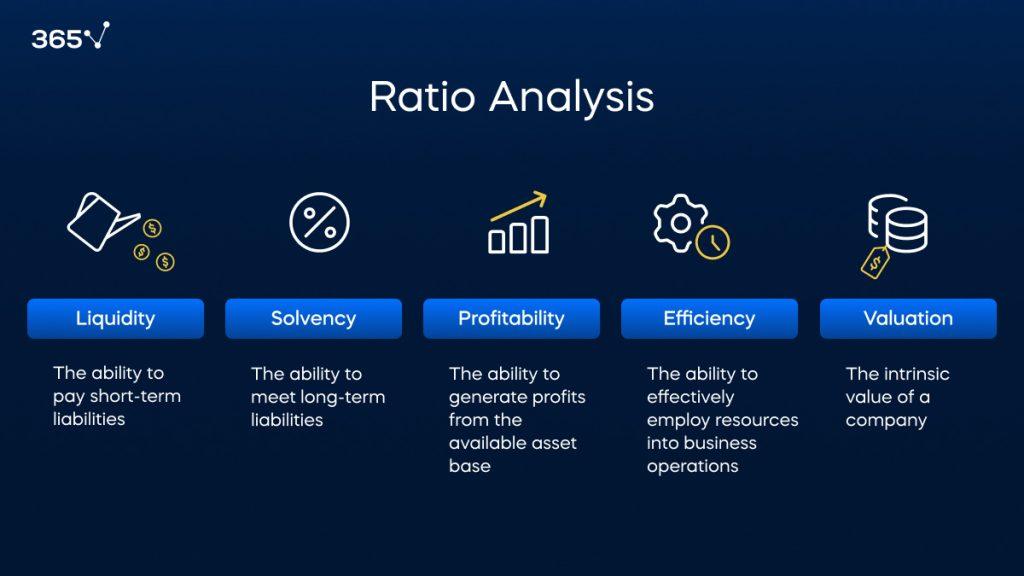
When evaluating a company’s creditworthiness, financial ratios serve as powerful tools, providing insights that go beyond surface-level financial statements. Liquidity ratios, such as the current ratio and quick ratio, are pivotal in assessing a company’s ability to meet short-term obligations. These ratios reveal whether a company has enough liquid assets to cover its immediate liabilities, offering a snapshot of financial health. Solvency ratios, like the debt-to-equity ratio, provide a longer-term perspective by examining the balance between debt and equity financing. A high debt-to-equity ratio might indicate potential financial risk, signaling to creditors that the company could face challenges in meeting its long-term debt obligations.
Beyond liquidity and solvency, profitability ratios like the return on assets (ROA) and return on equity (ROE) shed light on how effectively a company is using its resources to generate profit. A robust ROA or ROE suggests efficient management and a solid foundation for meeting financial commitments. Furthermore, efficiency ratios, such as inventory turnover and receivables turnover, highlight how well a company manages its assets. Efficient asset management often translates to better cash flow, enhancing a company’s ability to service its debt. By weaving together these key indicators, analysts can construct a comprehensive picture of a company’s financial stability, guiding informed decisions on credit risk.

Strategic Insights: Leveraging Financial Ratios for Robust Credit Risk Assessment
In the ever-evolving landscape of financial analysis, the astute application of financial ratios stands as a cornerstone for assessing credit risk with precision. These ratios, when employed strategically, unveil the intricate dynamics of a company’s financial health, offering a panoramic view of its capacity to meet debt obligations. Liquidity ratios, such as the current ratio and quick ratio, provide immediate insights into a company’s ability to cover short-term liabilities, acting as a litmus test for financial stability.
Delving deeper, leverage ratios like the debt-to-equity ratio illuminate the extent of a company’s financial leverage, serving as a critical indicator of long-term solvency. Additionally, profitability ratios—including return on assets and return on equity—reveal the efficiency with which a company utilizes its resources to generate profit, thereby influencing its creditworthiness. By synthesizing these ratios, financial analysts can construct a robust framework for credit risk assessment, enabling more informed decision-making. Key considerations include:
- Evaluating trends over time to identify potential financial distress.
- Comparing ratios against industry benchmarks to gauge relative performance.
- Integrating qualitative factors for a comprehensive risk profile.

Expert Recommendations: Optimizing Financial Ratio Analysis for Enhanced Credit Decisions
To elevate the precision of credit risk assessments, it’s crucial to delve into a comprehensive analysis of financial ratios. Experts suggest focusing on a few pivotal ratios that provide a multi-dimensional view of a company’s financial health. Liquidity ratios, such as the current ratio and quick ratio, offer insights into a company’s ability to meet short-term obligations, while solvency ratios like the debt-to-equity ratio illuminate long-term financial stability.
Moreover, profitability ratios are indispensable for understanding a company’s ability to generate earnings relative to its revenue, assets, or equity. These include the net profit margin and return on equity. To further refine your analysis, consider incorporating efficiency ratios to evaluate how effectively a company utilizes its assets. Key recommendations include:
- Current Ratio: Measures liquidity and the ability to cover short-term liabilities.
- Debt-to-Equity Ratio: Assesses financial leverage and long-term solvency.
- Net Profit Margin: Indicates overall profitability and cost management efficiency.
- Return on Equity (ROE): Evaluates profitability relative to shareholder equity.
- Asset Turnover Ratio: Reflects the efficiency of asset utilization in generating sales.
Incorporating these expert-recommended ratios into your credit analysis toolkit can significantly enhance the accuracy of credit decisions, ensuring a robust evaluation of potential risks and opportunities.