

In the intricate dance of commerce, where opportunities and uncertainties waltz in tandem, understanding the rhythm of business credit risk becomes paramount. Like a seasoned conductor guiding an orchestra, mastering the art of measuring and managing credit risk can transform potential discord into harmonious growth. This article delves into the nuanced world of business credit risk, offering a comprehensive guide for those who seek to navigate its complexities with precision and confidence. From the subtle cues of financial indicators to the strategic maneuvers that mitigate potential pitfalls, we unravel the essential strategies that empower businesses to not only anticipate risk but to harness it as a catalyst for innovation and resilience. Whether you’re a seasoned financial maestro or an aspiring entrepreneur, join us as we explore the symphony of strategies that ensure your business remains in tune with success.
Understanding the Fundamentals of Business Credit Risk Assessment
In the intricate world of business finance, understanding how to effectively evaluate credit risk is paramount. At its core, business credit risk assessment involves analyzing the likelihood that a borrower will default on their financial obligations. This process requires a meticulous examination of several key factors that can influence a company’s creditworthiness. Cash flow analysis, financial statements review, and market conditions are just a few of the critical elements considered. By delving into these areas, financial institutions can gauge the stability and reliability of a business, ensuring that lending decisions are made with precision and foresight.
Professionals in the field must also be adept at utilizing both qualitative and quantitative measures. Qualitative assessments may include evaluating the management team’s experience and the company’s competitive position within its industry. On the other hand, quantitative measures often involve scrutinizing financial ratios, such as the debt-to-equity ratio and current ratio, to paint a clearer picture of the business’s fiscal health. The integration of these methodologies allows for a comprehensive risk profile, enabling lenders to tailor their strategies effectively. By mastering these fundamentals, businesses can not only mitigate potential losses but also foster more robust and profitable lending relationships.
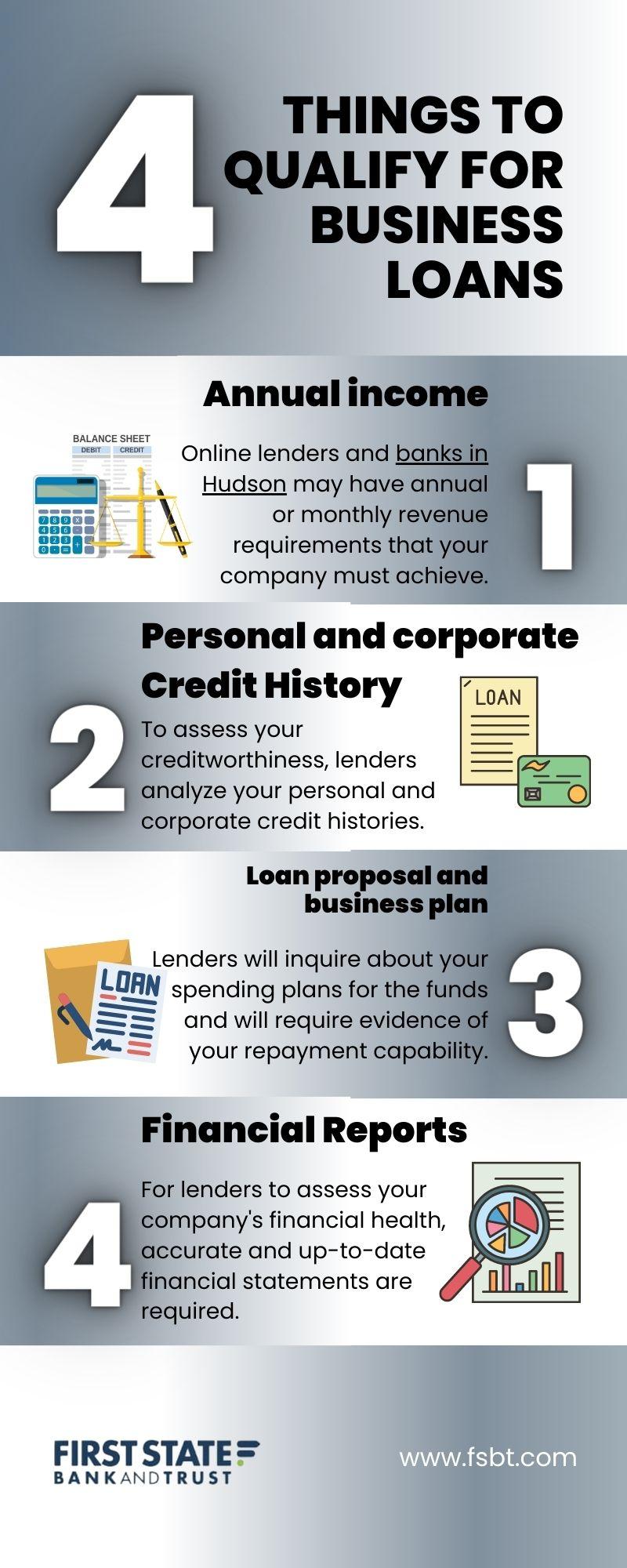
Advanced Techniques for Evaluating Creditworthiness in Modern Markets
In the rapidly evolving financial landscape, traditional methods of assessing creditworthiness are often insufficient. Advanced data analytics and machine learning algorithms have emerged as powerful tools for dissecting complex financial behaviors. These technologies enable businesses to analyze vast amounts of data, identifying patterns and predicting potential credit risks with unprecedented accuracy. Key techniques include:
- Behavioral Scoring: Utilizing AI to analyze transactional data and social media activity to gauge borrower reliability.
- Alternative Data Sources: Incorporating non-traditional data such as utility payments and rental history to create a more comprehensive credit profile.
- Real-Time Monitoring: Leveraging IoT and blockchain technologies to provide continuous updates on financial health and market conditions.
By integrating these innovative approaches, businesses can not only enhance their risk assessment capabilities but also tailor their credit offerings to meet the unique needs of each client, thereby fostering stronger, more resilient financial relationships.
Strategic Approaches to Mitigating Credit Risk Exposure
In the ever-evolving landscape of business finance, developing robust strategies to reduce exposure to credit risk is paramount. Companies can employ a variety of tactics to safeguard their financial health. One effective approach is diversifying the credit portfolio, which involves spreading credit across various sectors and geographical regions to minimize the impact of any single market downturn. Regular credit assessments are also crucial, allowing businesses to keep a close eye on the creditworthiness of their clients and partners, adapting terms and conditions as necessary.
Another strategic method is implementing credit insurance to protect against potential defaults. This can provide a safety net, ensuring cash flow stability even when unforeseen circumstances arise. Additionally, fostering strong relationships with clients can be beneficial; open communication channels often lead to early identification of potential credit issues. employing advanced data analytics can help in predicting credit risk trends, allowing businesses to make informed decisions proactively. By integrating these strategies, companies can effectively manage and mitigate their credit risk exposure, ensuring long-term financial resilience.
Implementing Robust Credit Risk Management Systems for Sustainable Growth
In the dynamic landscape of business finance, establishing a resilient credit risk management system is paramount for ensuring sustainable growth. Companies must focus on developing a comprehensive framework that integrates advanced analytical tools and real-time data insights. This approach not only enhances the ability to assess potential risks but also empowers businesses to make informed decisions. A robust system should encompass several key elements:
- Predictive Analytics: Leverage data-driven models to anticipate potential credit defaults and identify high-risk clients before issues arise.
- Automated Monitoring: Implement continuous monitoring mechanisms to track changes in clients’ financial health and market conditions.
- Risk Diversification: Ensure a diversified credit portfolio to mitigate the impact of any single client’s financial instability.
- Regulatory Compliance: Stay updated with the latest regulations to ensure that your credit risk management practices are aligned with legal requirements.
By embedding these strategies into your credit risk management framework, businesses can achieve a balance between risk and opportunity, fostering an environment where sustainable growth is not just a goal but a reality.