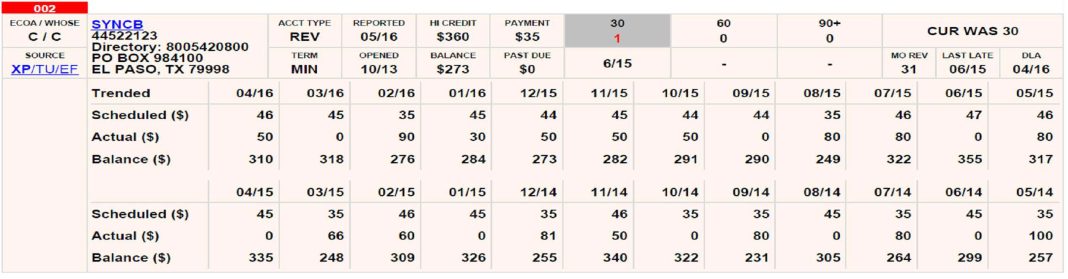


In the ever-evolving landscape of marketing, where precision and personalization reign supreme, the ability to harness data effectively has become the cornerstone of successful strategies. Among the myriad data sources available, credit data emerges as a powerful yet often underutilized tool that can significantly enhance marketing efficiency. This treasure trove of information, traditionally associated with financial assessments, offers marketers unparalleled insights into consumer behavior, preferences, and purchasing power. By integrating credit data into their marketing arsenal, businesses can transcend conventional approaches, crafting campaigns that resonate more deeply with their target audiences. In this article, we delve into the transformative potential of credit data, exploring how it empowers marketers to optimize their efforts, allocate resources more judiciously, and ultimately drive superior outcomes in an increasingly competitive marketplace. Join us as we uncover the secrets of leveraging credit data to not only meet but exceed marketing objectives, ushering in a new era of data-driven success.
Harnessing Consumer Insights to Tailor Marketing Strategies
In the ever-evolving landscape of digital marketing, leveraging consumer insights has become a cornerstone for crafting personalized strategies that resonate with target audiences. Credit data, often an underutilized resource, offers a wealth of information that can significantly enhance marketing efficiency. By analyzing credit data, businesses can gain a deeper understanding of consumer behavior, preferences, and financial health, allowing them to tailor their messaging and offerings more precisely.
- Segmented Targeting: Credit data enables marketers to identify and segment consumers based on their credit profiles, allowing for more precise targeting and messaging.
- Predictive Analytics: By examining credit trends, companies can predict future purchasing behaviors and adjust their strategies accordingly.
- Risk Assessment: Understanding a consumer’s credit health can help businesses assess the risk of extending offers, ensuring more secure and profitable engagements.
Integrating credit data into marketing strategies not only enhances targeting accuracy but also fosters a more personalized consumer experience. This approach ensures that marketing efforts are not just efficient but also effective, driving higher engagement and conversion rates.
Optimizing Campaign Performance Through Credit Data Analysis
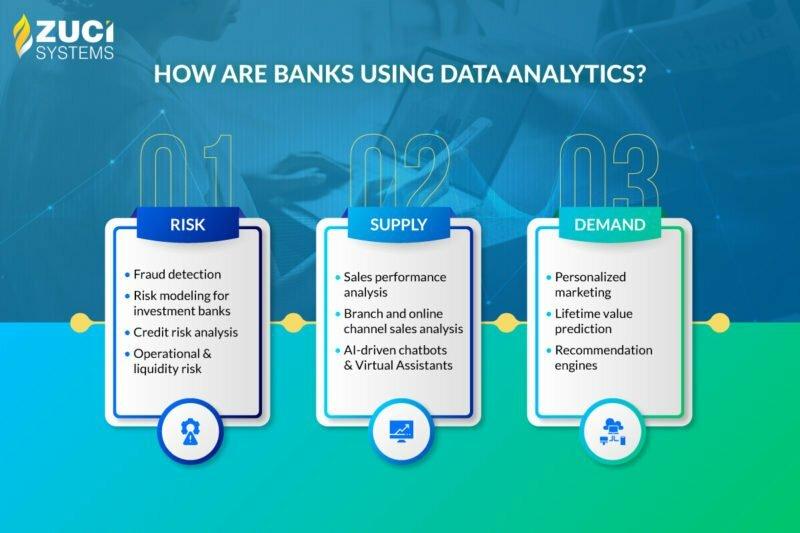
In the realm of modern marketing, leveraging credit data has become a game-changer for enhancing campaign performance. By analyzing credit information, marketers can gain deep insights into consumer behavior, enabling them to tailor their strategies with precision. This data allows for the segmentation of audiences based on credit scores, which helps in identifying potential customers who are more likely to engage with specific products or services.
- Targeted Advertising: Credit data enables marketers to create highly targeted ad campaigns, ensuring that promotional efforts reach the right audience.
- Personalized Offers: By understanding credit profiles, businesses can craft personalized offers that resonate with individual consumer needs, increasing conversion rates.
- Risk Mitigation: Utilizing credit data helps in assessing the financial stability of potential customers, reducing the risk of default on credit-based promotions.
Ultimately, the strategic use of credit data not only optimizes marketing efficiency but also enhances customer satisfaction by delivering more relevant and timely offers.
Leveraging Predictive Analytics for Targeted Marketing
In today’s data-driven world, harnessing the power of predictive analytics can revolutionize marketing strategies, especially when it comes to utilizing credit data. By analyzing patterns and trends within credit information, businesses can create more precise and personalized marketing campaigns. This approach not only enhances customer engagement but also significantly boosts conversion rates.
- Segmentation: Credit data allows marketers to segment their audience more effectively, ensuring that each group receives tailored messaging that resonates with their financial behaviors and needs.
- Behavioral Insights: Understanding spending habits and credit usage provides invaluable insights into consumer preferences, enabling marketers to anticipate future purchasing decisions.
- Risk Assessment: By evaluating creditworthiness, businesses can identify potential risks and opportunities, allowing them to focus their efforts on the most promising prospects.
By integrating these insights into marketing strategies, companies can not only streamline their efforts but also maximize ROI, ultimately leading to a more efficient and effective marketing process.
Enhancing Customer Engagement with Data-Driven Personalization
In the rapidly evolving landscape of digital marketing, leveraging credit data has emerged as a game-changer for creating personalized customer experiences. By harnessing the power of data analytics, businesses can now tailor their marketing strategies to align with individual customer preferences and behaviors. This approach not only enhances engagement but also significantly boosts marketing efficiency.
- Targeted Campaigns: Credit data provides insights into consumer spending habits, enabling marketers to design campaigns that resonate with specific customer segments.
- Predictive Analysis: Utilizing credit data allows businesses to anticipate customer needs and offer timely solutions, fostering a deeper connection.
- Customized Offers: By understanding credit profiles, companies can create personalized offers that appeal directly to the customer’s financial situation and interests.
Implementing a data-driven personalization strategy not only maximizes the return on marketing investments but also cultivates a loyal customer base. As businesses continue to integrate credit data into their marketing efforts, they pave the way for a more engaging and efficient customer journey.