


In the bustling marketplace of today’s economy, where competition is fierce and customer loyalty is as elusive as a fleeting shadow, businesses are constantly seeking that golden edge—the secret ingredient that transforms potential into profit. Enter the world of credit data improves customer conversion rates”>credit information, a powerful yet often underutilized tool that can illuminate the path to identifying your most valuable customers. Like a master key, credit data unlocks insights that go beyond mere purchasing power, revealing patterns, preferences, and potential that are crucial for crafting strategies that resonate. In this article, we delve into the transformative power of credit information, exploring how it can be harnessed to not only pinpoint your best customers but also to cultivate lasting relationships that drive sustainable growth. Prepare to embark on a journey where data meets intuition, and where understanding your customers’ financial narratives can lead to unparalleled business success.
Unlocking Customer Potential Through Credit Analysis
In today’s competitive market, understanding your customers’ credit profiles can be a game-changer. By leveraging detailed credit information, businesses can identify and nurture relationships with their most promising clients. Credit analysis provides insights into customer behavior, financial stability, and purchasing power, allowing companies to tailor their offerings more effectively. This data-driven approach not only enhances customer satisfaction but also maximizes revenue potential.
- Risk Assessment: Evaluate the creditworthiness of potential clients to mitigate financial risks.
- Customer Segmentation: Categorize customers based on credit scores to offer personalized services.
- Predictive Insights: Use historical credit data to forecast future purchasing trends and customer needs.
By tapping into the power of credit analysis, businesses can unlock hidden opportunities, ensuring they focus their resources on clients who are not just loyal but also financially reliable. This strategic approach fosters long-term growth and stability, setting the stage for sustained success.

Decoding Credit Scores to Tailor Your Marketing Strategy
In the intricate world of marketing, understanding your audience is paramount. By leveraging credit information, businesses can gain a nuanced perspective on their customer base, enabling them to craft highly targeted marketing strategies. Credit scores, often perceived solely as financial indicators, can also serve as powerful tools for identifying consumer behavior patterns. This data can reveal insights into purchasing power, spending habits, and financial reliability, allowing marketers to segment their audience more effectively.
Consider the following benefits of integrating credit data into your marketing strategy:
- Enhanced Targeting: Tailor your campaigns to reach consumers with the financial capacity to engage with your products or services.
- Risk Assessment: Identify potential customers who align with your brand’s risk tolerance, ensuring a more stable customer base.
- Customer Segmentation: Develop more precise customer personas based on financial behavior, leading to more personalized marketing efforts.
By decoding credit scores, businesses can not only identify their best customers but also anticipate their needs, fostering stronger, more profitable relationships.
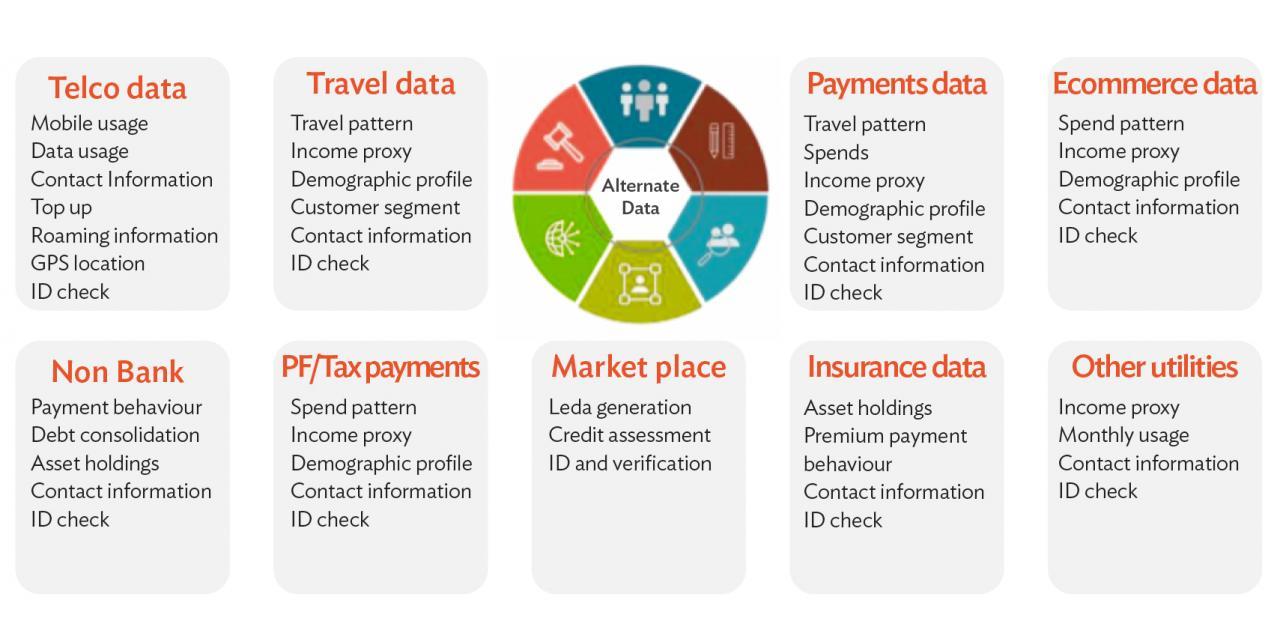
Leveraging Credit Data for Enhanced Customer Segmentation
In today’s competitive market, understanding your customers’ financial behaviors can be a game-changer. By utilizing credit data, businesses can dive deeper into the financial profiles of their clientele, allowing for more precise and effective customer segmentation. This approach not only enhances the ability to tailor marketing strategies but also improves customer retention and satisfaction.
Benefits of Using Credit Data for Segmentation:
- Targeted Marketing: With insights into credit scores and spending habits, companies can create personalized offers that resonate with specific customer segments.
- Risk Assessment: Identifying high-risk customers allows businesses to mitigate potential losses by adjusting credit terms or offering alternative payment plans.
- Enhanced Customer Experience: By understanding financial needs and constraints, businesses can provide more relevant products and services, boosting customer loyalty.
Leveraging this data effectively requires a strategic approach, ensuring that privacy and compliance are prioritized while unlocking the full potential of credit information to identify and nurture your best customers.

Strategic Insights: Using Credit Information to Drive Customer Loyalty
In the competitive landscape of modern business, leveraging credit information can be a game-changer in cultivating customer loyalty. By delving into the financial behaviors and credit profiles of your clientele, you can uncover invaluable insights that differentiate your most valuable customers from the rest. Credit information provides a nuanced understanding of spending habits, payment reliability, and financial health, enabling you to tailor your offerings and engagement strategies with precision.
- Personalized Offers: Use credit data to craft bespoke promotions that resonate with your top-tier customers’ purchasing patterns.
- Risk Mitigation: Identify and mitigate potential risks by monitoring credit trends, ensuring that your business is aligned with customers who demonstrate financial stability.
- Enhanced Engagement: Develop targeted communication strategies that address the unique needs and preferences of your most creditworthy customers.
By integrating credit insights into your customer relationship management, you not only enhance loyalty but also drive sustainable growth and profitability. This strategic approach ensures that your business remains agile and responsive to the evolving needs of your most valued clientele.