


In the ever-evolving landscape of marketing, where algorithms and consumer behavior intertwine in a complex dance, one number stands as a silent yet powerful influencer: the credit score. Often relegated to the realm of financial health, this seemingly innocuous figure holds sway over the strategies and outcomes of marketing campaigns across industries. As marketers strive to tailor their messages with precision, understanding the intricate relationship between credit scores and consumer engagement becomes paramount. This article delves into the undercurrents of how credit scores shape marketing endeavors, unveiling the subtle ways in which they guide targeting, personalization, and ultimately, the success of campaigns. Prepare to explore the symbiotic relationship between finance and marketing, where numbers tell stories and scores set the stage for innovation.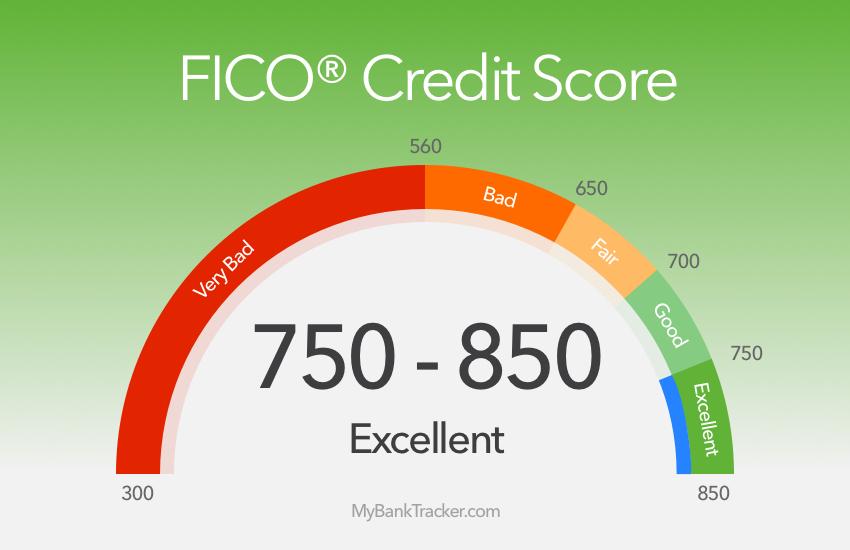
Understanding the Intersection of Credit Scores and Consumer Behavior
In the realm of marketing, understanding the nuances of consumer behavior is crucial, and credit scores offer a unique lens through which marketers can gain insights. Credit scores, often seen as a reflection of financial responsibility, can significantly influence purchasing patterns and brand loyalty. Marketers can harness this data to tailor campaigns that resonate with specific consumer segments. For instance, individuals with higher credit scores may be more inclined towards premium products and services, while those with lower scores might prioritize affordability and value. By leveraging this information, businesses can craft personalized marketing strategies that not only enhance engagement but also drive conversion rates.
- Segmentation: Credit scores allow for precise segmentation, enabling marketers to identify and target specific demographics with tailored messages.
- Product Offering: Understanding credit score trends can help in curating product offerings that align with the financial capabilities and preferences of different consumer groups.
- Risk Assessment: Credit scores can also aid in assessing the risk associated with offering credit-based promotions or financing options, ensuring a balanced approach to customer acquisition.
By integrating credit score data into marketing strategies, businesses can create more effective campaigns that not only meet the needs of their target audience but also optimize resource allocation and maximize return on investment.
Crafting Targeted Marketing Strategies Based on Credit Insights
Understanding the intricacies of credit scores can transform the way businesses approach their marketing campaigns. By leveraging credit insights, marketers can craft strategies that are not only more effective but also finely tuned to the needs and behaviors of their target audience. Credit scores offer a wealth of information that can help segment audiences based on their financial behavior, allowing for personalized messaging that resonates deeply with different consumer groups.
- High Credit Score: These individuals are often seen as financially stable and may be more receptive to premium products or services. Marketing strategies could focus on luxury offerings or exclusive deals that appeal to their purchasing power.
- Medium Credit Score: Consumers in this bracket might be looking for ways to improve their financial standing. Campaigns could highlight value propositions, such as cost-effective solutions or loyalty programs that reward consistent engagement.
- Low Credit Score: For those with lower scores, marketers might emphasize products that offer financial relief or improvement, such as budget-friendly options or services that help build credit.
By aligning marketing efforts with the credit profiles of potential customers, businesses can not only enhance engagement but also foster trust and loyalty. This targeted approach ensures that marketing resources are utilized efficiently, maximizing the return on investment while building meaningful connections with consumers.
Leveraging Credit Data to Enhance Campaign Effectiveness
In the realm of marketing, understanding consumer behavior is paramount, and credit data offers a treasure trove of insights. By analyzing credit scores, marketers can identify potential customer segments with precision, tailoring their strategies to match financial profiles. High credit score individuals are often seen as low-risk, making them ideal candidates for premium products or services. On the other hand, those with lower scores might benefit from targeted offers that address their specific financial needs, fostering brand loyalty through personalized solutions.
- Targeted Messaging: Crafting messages that resonate with the financial standing of your audience enhances engagement.
- Product Recommendations: Suggesting products that align with credit profiles increases conversion rates.
- Risk Mitigation: By understanding credit data, campaigns can be adjusted to minimize financial risk.
Utilizing credit data not only refines audience targeting but also enriches the customer experience by offering relevant and timely solutions. This strategic approach ensures that marketing efforts are not just widespread, but deeply impactful, aligning business goals with consumer needs.
Implementing Ethical Practices in Credit-Based Marketing
In the intricate world of credit-based marketing, maintaining ethical standards is not just a moral obligation but a strategic advantage. Businesses must ensure that their marketing campaigns are transparent and fair, avoiding practices that could exploit or mislead consumers based on their credit scores. Here are some ethical practices to consider:
- Transparency: Clearly communicate how credit scores are used in determining offers and terms. This builds trust and empowers consumers to make informed decisions.
- Consent: Always obtain explicit consent before accessing or using a consumer’s credit information. This respects consumer privacy and complies with legal standards.
- Non-discrimination: Avoid using credit scores to unfairly discriminate against certain groups. Ensure that marketing practices are inclusive and equitable.
- Data Security: Implement robust security measures to protect sensitive credit information from breaches and unauthorized access.
By embedding these ethical principles into their strategies, marketers not only safeguard their reputation but also enhance consumer loyalty and trust. Ethical credit-based marketing is not just about compliance; it’s about building a sustainable and responsible business model.