


In the competitive landscape of modern business, the quest to acquire new customers is akin to navigating a labyrinth—complex, costly, and fraught with uncertainty. Yet, amidst the myriad strategies and marketing maneuvers, there lies an often-overlooked beacon of insight: the credit score. Traditionally a tool wielded by financial institutions, credit scores hold untapped potential for businesses across industries, offering a sophisticated lens through which to view and understand potential customers. By harnessing the power of credit scores, businesses can refine their targeting strategies, optimize marketing spend, and ultimately, reduce the towering costs of customer acquisition. In this article, we delve into the art and science of leveraging credit scores to streamline customer acquisition efforts, offering authoritative insights and actionable strategies to transform a daunting expense into a strategic advantage. Prepare to unlock a new dimension of customer engagement, where precision meets profitability.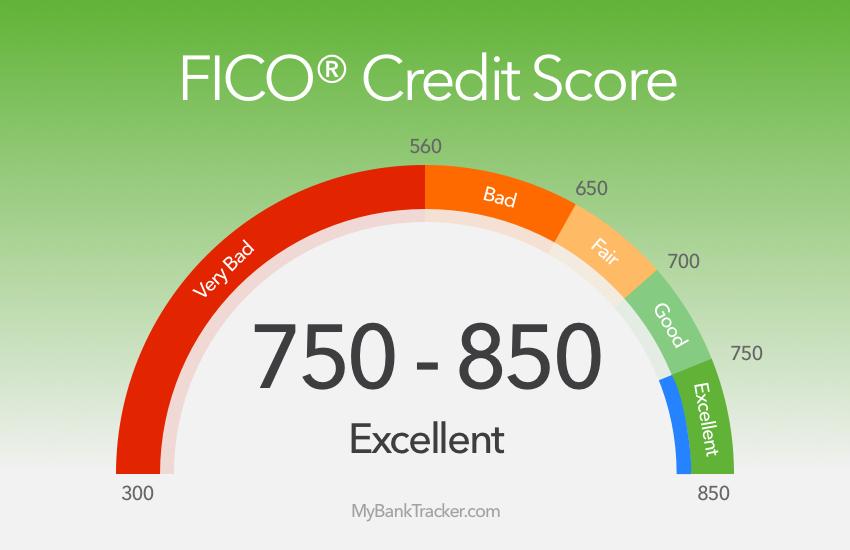
Leveraging Credit Scores to Streamline Customer Targeting
In today’s competitive marketplace, businesses are constantly seeking innovative ways to enhance their customer acquisition strategies. One powerful yet often underutilized tool is the credit score. By integrating credit scores into your customer targeting strategy, you can effectively reduce acquisition costs and improve the quality of your customer base. Here’s how:
- Precision Targeting: Utilize credit scores to identify potential customers who not only fit your target demographic but also have a higher likelihood of engaging with your product or service. This targeted approach minimizes wasted marketing efforts and maximizes return on investment.
- Risk Mitigation: By assessing credit scores, businesses can better gauge the financial stability of potential customers, allowing for more informed decisions regarding promotional offers and credit terms. This reduces the risk of defaults and enhances customer lifetime value.
- Customized Marketing: Tailor your marketing messages to align with the financial profiles of your target audience. Personalized offers based on creditworthiness can significantly increase conversion rates and foster customer loyalty.
Implementing credit score-based targeting not only streamlines the customer acquisition process but also ensures that your marketing resources are directed towards individuals who are most likely to contribute positively to your business’s bottom line.
Optimizing Marketing Spend through Credit-Based Segmentation
In the ever-evolving landscape of digital marketing, leveraging credit scores for customer segmentation can be a game-changer. By categorizing potential customers based on their creditworthiness, businesses can tailor their marketing strategies to target the most promising leads. This approach not only enhances the precision of marketing efforts but also significantly reduces customer acquisition costs. Credit-based segmentation allows marketers to identify high-value prospects who are more likely to convert, ensuring that marketing dollars are spent efficiently.
- Enhanced Targeting: Focus on prospects with favorable credit scores to increase conversion rates.
- Cost Efficiency: Reduce wasted spend by avoiding low-probability leads.
- Personalized Messaging: Craft messages that resonate with the financial profiles of different segments.
- Risk Mitigation: Lower the risk of defaults by targeting financially stable customers.
Implementing a credit-based segmentation strategy requires access to reliable credit data and a nuanced understanding of customer behavior. However, the investment in data analytics and segmentation tools can yield substantial returns by streamlining marketing efforts and enhancing overall campaign effectiveness. Embrace this strategy to unlock a more sustainable path to customer acquisition and retention.

Enhancing Conversion Rates with Credit Score Insights
Understanding the nuances of credit scores can be a game-changer in refining your customer acquisition strategy. By leveraging credit score insights, businesses can tailor their marketing efforts to target the most promising leads, thereby optimizing conversion rates. This approach not only enhances the precision of your marketing campaigns but also ensures that your resources are allocated efficiently.
- Segment Your Audience: Use credit scores to identify and segment potential customers who are more likely to convert. This allows for more personalized and effective marketing strategies.
- Risk Assessment: Evaluate the risk associated with each potential customer. By focusing on individuals with favorable credit scores, you can reduce the likelihood of defaults and improve overall profitability.
- Tailored Offers: Customize your offers based on the creditworthiness of your audience. Offering exclusive deals to high-score individuals can increase the chances of conversion.
Incorporating credit score insights into your strategy not only enhances the efficiency of your marketing efforts but also contributes to a more sustainable customer acquisition model.

Implementing Credit Score Strategies for Cost-Effective Customer Acquisition
Leveraging credit scores can be a game-changer in optimizing your customer acquisition strategy. By segmenting potential customers based on their creditworthiness, businesses can tailor their marketing efforts more effectively. Here are some strategies to consider:
- Targeted Marketing Campaigns: Use credit score data to identify high-potential customer segments and craft personalized offers that resonate with their financial profiles.
- Risk-Based Pricing: Implement dynamic pricing models that adjust based on credit scores, offering competitive rates to low-risk customers while managing risk exposure.
- Predictive Analytics: Utilize predictive models to forecast customer behavior and lifetime value, ensuring marketing resources are allocated to prospects with the highest potential return.
By integrating these strategies, companies can not only reduce acquisition costs but also enhance customer satisfaction and loyalty, driving sustainable growth.