


In the intricate dance of modern commerce, where every interaction can pivot the balance between fleeting transactions and enduring partnerships, understanding your customer is paramount. Yet, in a world awash with data, the key to unlocking deeper connections often lies in an unexpected place: the credit score. Traditionally viewed as a mere number dictating financial viability, credit scores harbor untapped potential to transform customer relationships. This article delves into the art and science of leveraging credit scores not just as a financial gauge, but as a strategic tool to foster trust, personalize experiences, and ultimately, build stronger, more resilient customer relationships. Join us as we explore how businesses can harness the power of credit insights to not only anticipate needs but to exceed expectations, creating a foundation of loyalty and mutual growth.
Understanding the Power of Credit Scores in Customer Engagement
In today’s competitive market, understanding and leveraging credit scores can significantly enhance customer engagement. Credit scores are more than just numbers; they offer insights into customer behavior, preferences, and potential. By integrating credit score data into your customer relationship management strategies, you can create personalized experiences that resonate with your audience.
- Personalized Offers: Tailor your products and services to match the financial capabilities and needs of your customers. For instance, offer exclusive deals or flexible payment plans to those with higher credit scores, fostering a sense of exclusivity and appreciation.
- Risk Management: Use credit scores to assess the risk associated with lending or extending credit. This not only protects your business but also builds trust with customers, as they feel secure knowing that their financial stability is a priority.
- Targeted Communication: Develop marketing campaigns that speak directly to different credit score segments. For example, customers with lower scores might appreciate educational content on improving their credit, while those with higher scores could be interested in investment opportunities.
By harnessing the power of credit scores, businesses can create a more engaging and mutually beneficial relationship with their customers, ultimately leading to increased loyalty and satisfaction.
Leveraging Credit Data to Personalize Customer Experiences
In today’s competitive market, understanding your customers is key to fostering loyalty and driving growth. By utilizing credit data, businesses can craft personalized experiences that resonate with individual customer needs. Credit scores offer a wealth of information that, when interpreted correctly, can enhance customer interactions and build trust. Here’s how you can leverage this data effectively:
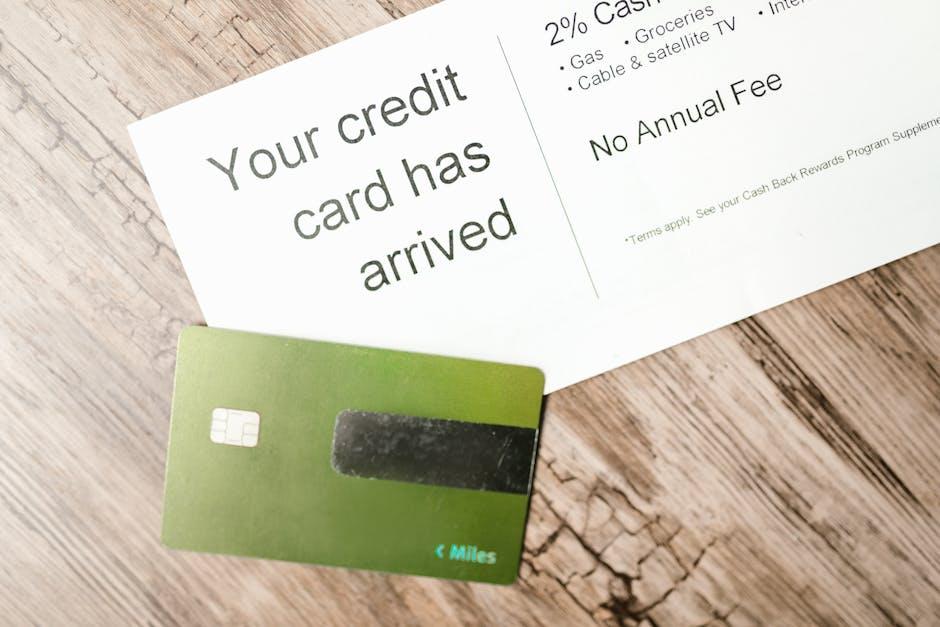
- Tailored Financial Products: Analyze credit scores to offer customized financial solutions that align with the customer’s credit profile, such as personalized loan offers or credit card recommendations.
- Risk Assessment: Use credit data to assess the risk profile of customers, allowing for more informed decision-making and better management of financial products.
- Enhanced Customer Support: With insights from credit data, customer service teams can provide more relevant advice and solutions, improving overall satisfaction.
By integrating credit data into your customer relationship strategies, you not only enhance the customer experience but also position your business as a trusted advisor in their financial journey.

Strategies for Building Trust Through Transparent Credit Practices
In the world of finance, transparency is not just a buzzword; it’s a cornerstone of trust. To foster stronger customer relationships, businesses must adopt transparent credit practices that clearly communicate how credit scores are utilized. This approach not only demystifies the credit process but also empowers customers with knowledge. Consider implementing the following strategies:
- Open Communication: Clearly explain how credit scores impact the services or products offered. Use straightforward language to describe how scores are calculated and what factors influence them.
- Educational Resources: Provide customers with access to educational materials that help them understand their credit scores better. This could include blog posts, webinars, or interactive tools that guide them through credit management.
- Regular Updates: Offer periodic updates on their credit status, including tips on how to improve their scores. This proactive approach not only builds trust but also shows that you care about their financial well-being.
By embracing these strategies, businesses can create a transparent environment that encourages trust and loyalty, ultimately leading to more robust customer relationships.

Enhancing Customer Loyalty with Proactive Credit Score Management
In today’s competitive market, businesses can no longer afford to be reactive when it comes to customer engagement. Proactive credit score management offers a strategic advantage, transforming potential risks into opportunities for deeper connections. By actively monitoring and managing credit scores, businesses can anticipate customer needs and tailor their offerings accordingly. This not only enhances trust but also fosters a sense of partnership, where customers feel valued and understood.
- Personalized Offers: Utilize credit score insights to craft customized financial products that meet individual customer needs.
- Educational Initiatives: Implement programs that educate customers on improving their credit scores, positioning your business as a trusted advisor.
- Timely Alerts: Provide real-time notifications about credit score changes, helping customers stay informed and proactive in their financial journey.
By integrating these strategies, businesses not only enhance customer loyalty but also build a resilient community of financially empowered individuals. This approach not only drives customer satisfaction but also sets a benchmark for excellence in customer relationship management.