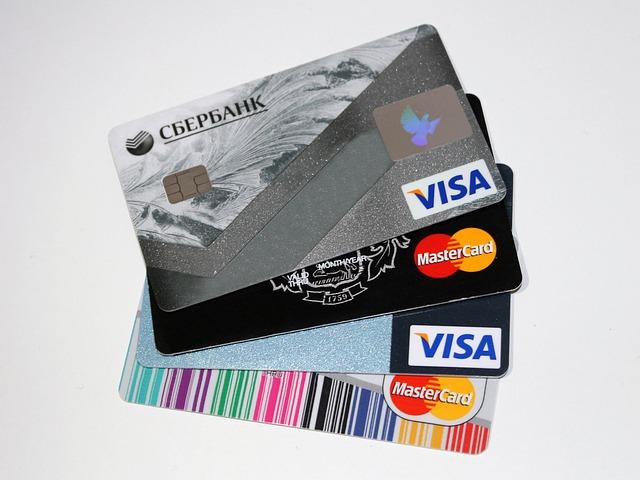


In the bustling marketplace of the 21st century, where consumer choices are as diverse as the stars in the night sky, businesses are in a relentless pursuit to not just attract customers, but to transform them into loyal advocates. At the heart of this endeavor lies an often underutilized yet immensely potent tool: credit data. This data, which offers a nuanced portrait of consumer behavior and financial health, is emerging as a linchpin in crafting loyalty programs that are not only effective but transformative. As we delve into the intricacies of leveraging credit data, we uncover a world where personalized engagement meets strategic insight, creating loyalty programs that resonate deeply with consumers and drive sustained business growth. Join us as we explore how the power of credit data is revolutionizing the landscape of customer loyalty, turning casual shoppers into lifelong patrons.
Harnessing Credit Data to Revolutionize Customer Loyalty
In today’s competitive market, leveraging credit data can be a game-changer for businesses aiming to enhance customer loyalty. By tapping into the rich insights offered by credit data, companies can create personalized loyalty programs that not only meet but exceed customer expectations. Credit data provides a deeper understanding of customer behavior, spending patterns, and preferences, enabling businesses to tailor rewards and incentives that resonate with their audience. This targeted approach not only fosters stronger relationships but also increases customer retention and lifetime value.
- Personalized Offers: Utilize credit data to craft offers that align with individual spending habits, ensuring relevance and engagement.
- Predictive Analysis: Employ predictive analytics to anticipate customer needs and proactively offer solutions, enhancing the customer experience.
- Risk Management: Use credit insights to identify and mitigate potential risks, ensuring the sustainability of loyalty programs.
By integrating credit data into loyalty strategies, businesses can transform customer interactions from transactional to relational, building a foundation of trust and loyalty that drives long-term success.

Unveiling Consumer Patterns for Tailored Loyalty Strategies
In today’s competitive market, leveraging credit data has become a game-changer for crafting loyalty programs that resonate with consumers. By analyzing credit behaviors, businesses can identify distinct consumer patterns that reveal not just spending habits, but also preferences and potential needs. This insight allows for the creation of highly personalized loyalty strategies that cater to individual customer profiles, ultimately fostering a deeper connection and increasing brand loyalty.
- Personalized Offers: Tailor rewards and incentives based on individual spending habits and credit usage.
- Targeted Communication: Use credit data to segment your audience and deliver messages that speak directly to their interests.
- Predictive Analysis: Anticipate future purchasing behaviors and adjust loyalty strategies accordingly.
By tapping into the power of credit data, businesses can not only enhance their loyalty programs but also ensure they are consistently aligned with consumer expectations. This strategic approach not only improves customer retention but also drives sustainable growth in an ever-evolving marketplace.
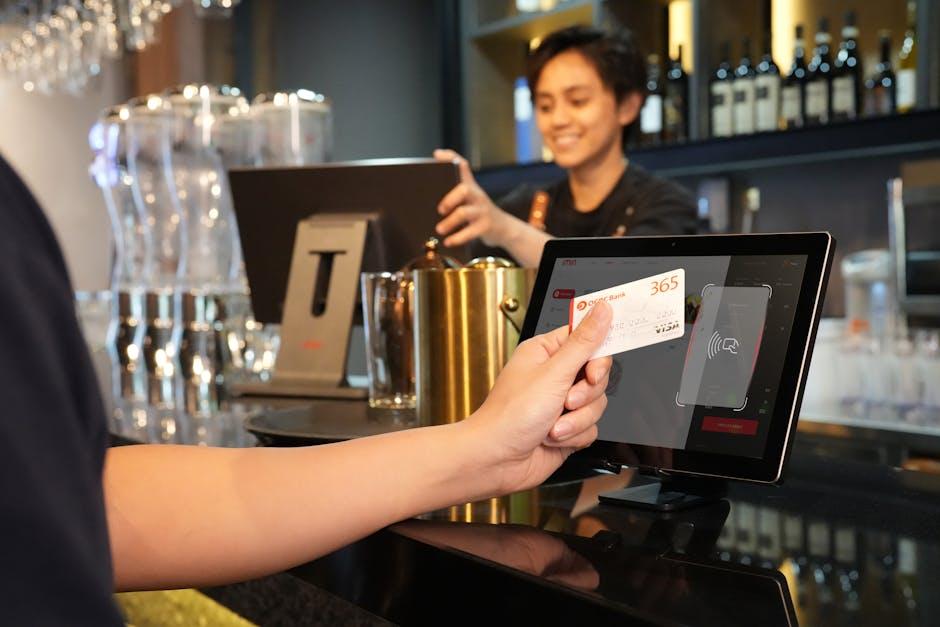
Leveraging Credit Insights to Enhance Customer Engagement
In today’s competitive market, businesses are constantly seeking innovative ways to foster customer loyalty. One often overlooked asset in this quest is the rich reservoir of credit data. By tapping into this resource, companies can gain profound insights into customer behavior, preferences, and spending patterns. These insights can be used to craft personalized loyalty programs that resonate with individual customers, enhancing engagement and satisfaction.
Key benefits of utilizing credit data include:
- Personalization: Tailor rewards and offers based on the customer’s credit profile and spending habits, ensuring relevance and increasing the likelihood of redemption.
- Predictive Analytics: Use credit data to forecast future purchasing behaviors, allowing for proactive engagement strategies.
- Risk Management: Identify potential credit risks early, enabling the development of strategies to mitigate them while maintaining customer trust.
By integrating credit insights into loyalty programs, businesses not only enhance customer satisfaction but also build a robust framework for sustained engagement and growth.

Strategic Recommendations for Data-Driven Loyalty Success
To harness the full potential of credit data in loyalty programs, businesses must adopt a strategic approach that integrates data insights with customer engagement initiatives. Begin by analyzing credit data to identify spending patterns and preferences. This will allow you to tailor rewards and offers that resonate with individual customers, enhancing their experience and loyalty. Segmentation is crucial; divide your customer base into meaningful groups based on their credit behavior and tailor your communication and rewards to each segment’s unique needs.
- Personalized Offers: Use credit data to craft personalized offers that align with customer spending habits, increasing the likelihood of engagement.
- Predictive Analytics: Implement predictive analytics to anticipate customer needs and proactively deliver solutions, strengthening loyalty.
- Feedback Loop: Establish a feedback mechanism to continuously refine your strategies based on customer responses and changing data trends.
By leveraging credit data strategically, companies can create loyalty programs that not only attract but also retain customers, driving long-term success.