


In the ever-evolving landscape of digital marketing, where every click, impression, and conversion is meticulously measured, the art of optimizing ad spend has become both a science and a strategy. As businesses strive to maximize their return on investment, a new player has emerged on the scene, quietly revolutionizing the way marketers allocate their budgets: credit information. Traditionally the domain of financial institutions, credit data is now being harnessed to unlock unprecedented insights into consumer behavior, enabling advertisers to target their audiences with surgical precision. This article delves into the transformative role of credit information in the realm of advertising, exploring how it empowers marketers to not only reach the right consumers but also engage them at the most opportune moments. Join us as we uncover the intricate dance between credit data and ad spend, and how this powerful alliance is shaping the future of marketing.
Harnessing Consumer Credit Data for Precision Targeting
In the realm of digital marketing, the utilization of consumer credit data has emerged as a powerful tool for enhancing the precision of ad targeting. By leveraging this data, marketers can create more refined audience segments, ensuring that advertisements reach individuals most likely to engage and convert. Credit information offers insights into consumer behavior patterns, spending habits, and financial stability, allowing for the crafting of personalized marketing strategies that resonate with specific consumer needs and preferences.
Marketers can benefit from consumer credit data in several ways:
- Audience Segmentation: Tailor campaigns to different consumer segments based on credit scores and financial behavior.
- Predictive Analysis: Use credit trends to forecast future purchasing behaviors and adjust ad spend accordingly.
- Enhanced Personalization: Deliver customized messages that align with the financial realities of the target audience.
This data-driven approach not only optimizes ad spend but also fosters a deeper connection with consumers, ultimately driving higher engagement and conversion rates.
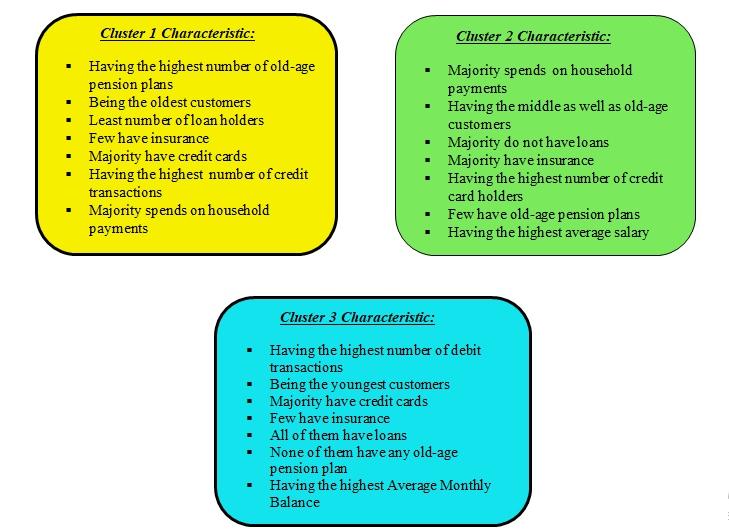
Maximizing ROI through Credit-Based Audience Segmentation
In the rapidly evolving landscape of digital marketing, leveraging credit information for audience segmentation can significantly enhance the efficiency of ad spend. By categorizing audiences based on their credit profiles, businesses can tailor their marketing strategies to target segments with the highest potential for conversion. This method not only optimizes resource allocation but also aligns marketing efforts with consumer financial behavior, leading to a more personalized customer experience.
- Precision Targeting: Credit-based segmentation allows marketers to identify and focus on high-value prospects, reducing wasted ad spend on less promising leads.
- Enhanced Personalization: By understanding the financial capabilities of different audience segments, businesses can craft personalized messages that resonate more deeply with their target audience.
- Improved Conversion Rates: Targeting ads to financially suitable audiences increases the likelihood of engagement and conversion, thereby maximizing return on investment.
Utilizing credit data responsibly and ethically not only drives business growth but also fosters trust and transparency with consumers. As such, integrating credit-based audience segmentation into your marketing strategy is a powerful tool for achieving superior results in today’s competitive market.
Strategic Ad Spend Allocation: Insights from Credit Profiles
In the intricate world of digital marketing, understanding the nuances of consumer behavior is paramount. Leveraging credit profiles offers a unique vantage point for advertisers aiming to optimize their ad spend. By analyzing credit data, businesses can gain profound insights into consumer purchasing power and financial habits. This information can be pivotal in tailoring ad campaigns to target audiences with precision, ensuring that marketing dollars are spent where they are most likely to yield returns.
Consider the following strategic advantages:
- Audience Segmentation: Credit profiles enable marketers to segment audiences based on financial stability and spending patterns, allowing for more personalized and effective messaging.
- Predictive Analysis: By understanding credit trends, advertisers can anticipate future consumer behavior, adjusting their strategies proactively to align with market shifts.
- Resource Allocation: With insights into credit information, businesses can allocate their advertising budget more efficiently, focusing on high-value segments that promise better conversion rates.
By integrating credit insights into ad spend strategies, companies not only enhance their marketing efficiency but also build more meaningful connections with their target audiences.
Enhancing Campaign Effectiveness with Credit Information Analytics
In the dynamic landscape of digital marketing, leveraging credit information analytics can significantly boost the precision of ad targeting and budgeting strategies. By integrating credit data, marketers can gain deeper insights into consumer behavior, enabling them to tailor their campaigns more effectively. This approach not only enhances the relevance of ads but also ensures that marketing budgets are allocated to audiences with the highest potential for conversion.
- Improved Targeting: Credit information allows for a nuanced understanding of consumer segments, facilitating more accurate audience targeting.
- Budget Optimization: By identifying high-value prospects, businesses can allocate their ad spend more efficiently, maximizing return on investment.
- Enhanced Personalization: With detailed credit insights, ads can be personalized to match the financial profiles and preferences of different consumer groups.
Utilizing credit analytics transforms how marketers approach their campaigns, ensuring that every dollar spent is backed by data-driven insights. This strategic use of information empowers businesses to not only reach but also resonate with their target audience, driving both engagement and profitability.