
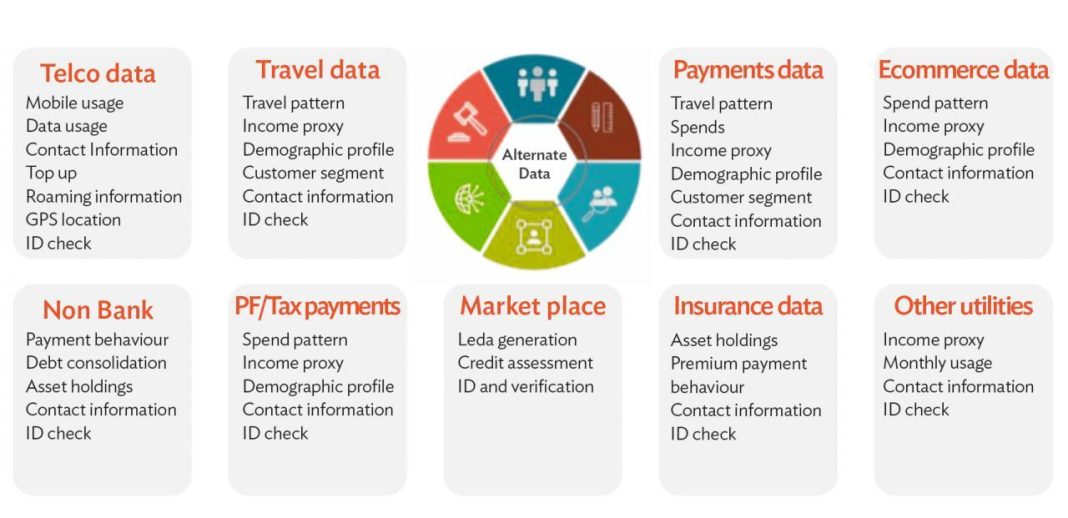

In the digital age, where every click, scroll, and tap leaves a breadcrumb trail of data, the potential to harness this information for targeted advertising has never been more promising—or more complex. Among the vast array of data sources, credit data stands out as a powerful yet underutilized asset, capable of transforming the advertising landscape. Imagine a world where advertisements are not just noise, but a symphony of personalized offerings that resonate with individual needs and financial realities. This is the promise of unlocking the potential of credit data for better ad targeting. By diving deep into the intricacies of consumer credit behavior, marketers can craft campaigns that are not only more relevant but also more responsible, aligning with the ethical considerations of data privacy and consumer trust. As we explore this frontier, we uncover how credit data can be the key to unlocking unprecedented levels of engagement and conversion, setting a new standard for what targeted advertising can achieve.
Harnessing Consumer Insights Through Credit Data
In the rapidly evolving landscape of digital marketing, leveraging credit data offers a transformative edge in understanding consumer behavior. By analyzing credit profiles, marketers can gain profound insights into spending habits, financial stability, and purchasing power. This data enables brands to create more personalized and relevant advertising strategies, ensuring that the right message reaches the right audience at the right time.
- Enhanced Audience Segmentation: Utilize credit data to categorize consumers based on their financial behaviors, allowing for more precise targeting.
- Predictive Analytics: Forecast future purchasing trends and consumer needs by examining historical credit data patterns.
- Increased ROI: Optimize ad spend by focusing on high-value segments, reducing waste, and increasing conversion rates.
By integrating credit data into marketing strategies, businesses can unlock a deeper understanding of their target audience, driving more effective and efficient advertising campaigns.
Strategic Ad Personalization: Leveraging Credit Profiles
In the realm of digital marketing, the integration of credit profiles into ad personalization strategies offers a transformative approach to targeting. By harnessing the rich insights derived from credit data, advertisers can craft campaigns that are not only highly relevant but also resonate deeply with their target audience. Credit profiles provide a nuanced understanding of consumer behavior, enabling marketers to segment audiences with precision and tailor messages that align with individual financial lifestyles.
- Enhanced Targeting: Leverage credit data to identify potential customers with high purchasing power or specific financial needs.
- Customized Messaging: Develop ad content that speaks directly to the financial habits and preferences of your audience.
- Increased ROI: By aligning ad spend with credit insights, marketers can optimize their budgets and achieve higher conversion rates.
By strategically integrating credit profiles into ad personalization, businesses can not only improve the effectiveness of their campaigns but also foster stronger customer relationships through meaningful and personalized interactions.

Navigating Privacy Concerns in Credit-Based Targeting
As we delve into the world of credit-based targeting, privacy concerns emerge as a critical consideration. Consumers are increasingly aware of how their data is used, and the onus is on marketers to handle this data responsibly. To build trust, transparency is key. Brands should clearly communicate how credit data is collected, processed, and utilized, ensuring that consumers are fully informed and consent to its use. Implementing robust data protection measures is not just a legal requirement but a moral obligation to safeguard consumer information.
- Transparency: Clearly outline data usage policies and obtain explicit consent.
- Data Security: Employ advanced encryption and security protocols to protect sensitive information.
- Consumer Empowerment: Provide options for consumers to manage their data preferences and access information about how their data is being used.
By addressing these privacy concerns head-on, companies can not only comply with regulations but also foster a deeper level of trust and engagement with their audience. This approach not only respects consumer privacy but also enhances the effectiveness of credit-based targeting strategies.

Maximizing ROI with Data-Driven Ad Strategies
In today’s competitive advertising landscape, leveraging credit data can be a game-changer for businesses aiming to enhance their return on investment (ROI). By tapping into the wealth of information available through credit data, advertisers can craft highly targeted campaigns that resonate with their ideal audience. Data-driven ad strategies enable businesses to refine their targeting criteria, ensuring that their messages reach consumers who are most likely to engage and convert. This precision targeting not only improves the efficiency of ad spend but also boosts the overall effectiveness of marketing efforts.
- Enhanced Audience Segmentation: Credit data provides insights into consumer financial behaviors, allowing marketers to segment audiences based on credit scores, spending habits, and financial goals.
- Improved Ad Personalization: With a deeper understanding of consumer credit profiles, advertisers can tailor their messaging to align with the specific needs and preferences of their target audience.
- Optimized Budget Allocation: By focusing on high-value segments, businesses can allocate their ad budgets more effectively, reducing waste and maximizing ROI.