

In the ever-evolving landscape of modern commerce, where competition is fierce and consumer expectations are higher than ever, businesses are constantly seeking innovative strategies to cultivate and maintain a loyal customer base. At the heart of this endeavor lies an often underutilized yet incredibly powerful resource: credit data. This treasure trove of information, traditionally confined to risk assessment and financial profiling, is now being harnessed to unlock new dimensions of customer engagement and loyalty. By delving into the intricate patterns and insights hidden within credit data, businesses can craft personalized experiences that resonate with their customers on a profound level, fostering trust and allegiance. In this article, we explore how leveraging credit data not only transforms customer relationships but also sets the stage for sustainable growth and competitive advantage in today’s dynamic market. Join us as we uncover the potential of credit data to redefine loyalty in the digital age.
Leveraging Credit Insights to Foster Customer Loyalty
In today’s competitive market, understanding and utilizing credit data is a game-changer for businesses aiming to cultivate a loyal customer base. By delving into credit insights, companies can tailor their offerings to meet the unique needs of their clientele, ensuring personalized experiences that foster trust and loyalty. Credit data provides a comprehensive view of customer behaviors and preferences, allowing businesses to identify trends and anticipate future needs. This proactive approach not only enhances customer satisfaction but also strengthens brand loyalty.
- Personalized Offers: Utilize credit insights to craft bespoke promotions that resonate with individual customers.
- Risk Management: Assess credit data to identify potential risks and create strategies that protect both the business and its customers.
- Enhanced Customer Engagement: Leverage data to develop communication strategies that keep customers informed and engaged.
By effectively harnessing credit data, businesses can create a more engaging and secure environment for their customers, leading to increased loyalty and long-term success.
Decoding Consumer Behavior Through Credit Data Analysis
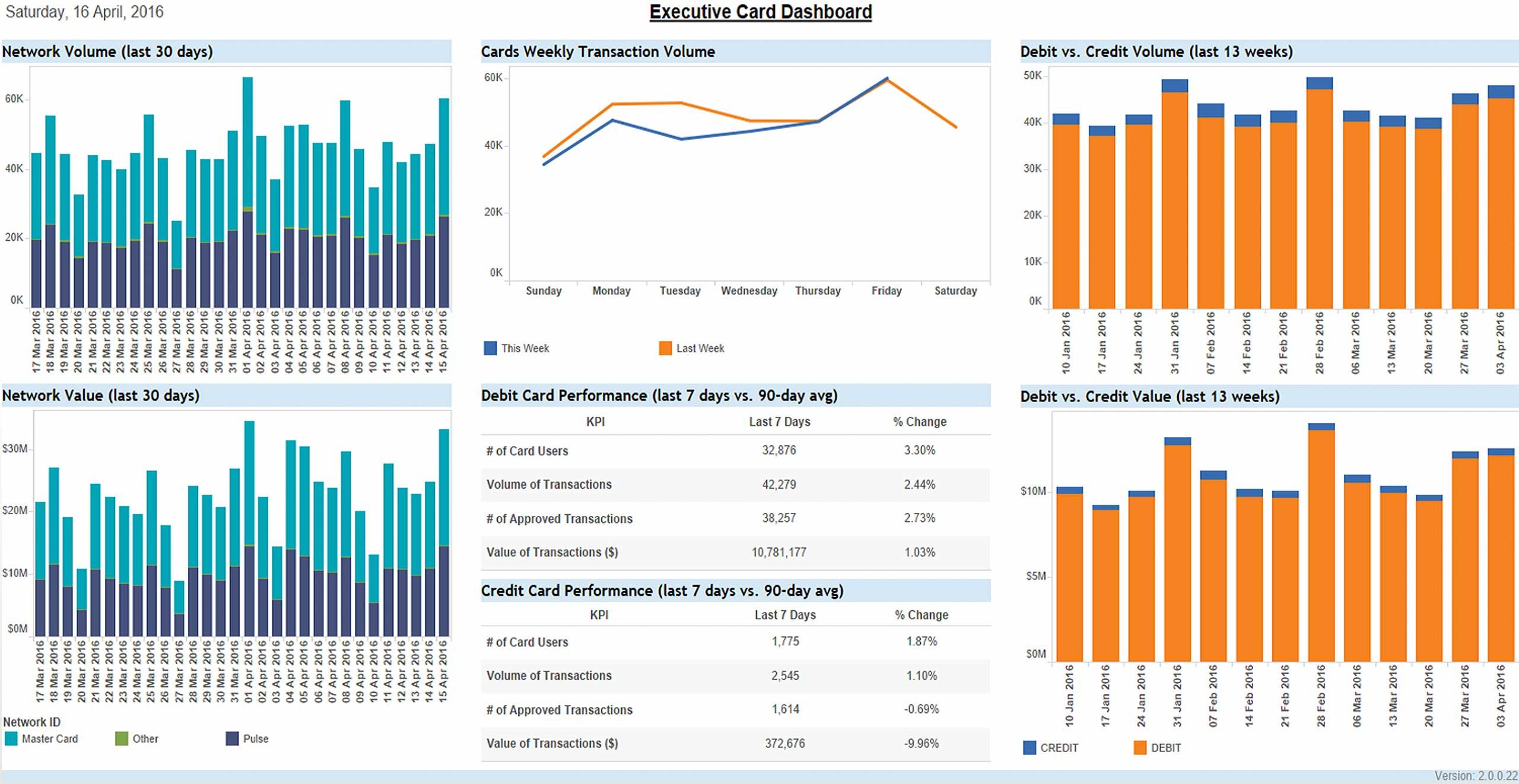
In today’s data-driven marketplace, leveraging credit data has become an essential strategy for understanding and predicting consumer behavior. By analyzing credit information, businesses can gain valuable insights into customer spending habits, preferences, and financial health. This data can be instrumental in tailoring personalized experiences that foster customer loyalty and retention.
- Identify Spending Patterns: Credit data reveals spending trends that can help businesses tailor their offerings to meet customer needs.
- Assess Financial Health: Understanding a customer’s credit profile allows for the creation of customized financial solutions that align with their capabilities.
- Predict Future Behavior: Analyzing past credit activity can provide predictive insights into future purchasing decisions, enabling proactive engagement strategies.
By integrating these insights into customer relationship management systems, companies can create a more personalized and rewarding experience for their customers, ultimately building a loyal customer base that is both engaged and satisfied.

Crafting Personalized Experiences with Credit Information
In today’s competitive market, leveraging credit data can be a game-changer for businesses aiming to cultivate a loyal customer base. By analyzing credit information, companies can gain profound insights into customer behavior, preferences, and financial habits. This enables businesses to tailor their offerings, ensuring they resonate deeply with individual needs. Personalized experiences not only enhance customer satisfaction but also foster trust and long-term loyalty.
- Targeted Promotions: Use credit data to identify spending patterns and offer promotions that align with customer interests.
- Customized Financial Products: Develop products that cater to the specific financial situations of your customers, enhancing their value perception.
- Enhanced Customer Support: Provide proactive support by anticipating potential financial challenges, ensuring customers feel valued and understood.
By integrating credit insights into your business strategy, you can transform customer interactions into meaningful engagements, paving the way for enduring relationships. This approach not only differentiates your brand but also positions it as a trusted partner in your customers’ financial journeys.
Strategic Credit Data Utilization for Enhanced Customer Retention
In today’s competitive marketplace, leveraging credit data strategically can be a game-changer for businesses aiming to enhance customer retention. By tapping into the wealth of information provided by credit data, companies can gain deeper insights into customer behavior, preferences, and financial health. This allows for the creation of tailored offerings that not only meet but exceed customer expectations, fostering a sense of loyalty and trust.
- Personalized Offers: Analyze credit data to identify purchasing patterns and offer personalized promotions that resonate with individual customer needs.
- Risk Assessment: Use credit scores to assess risk levels and adjust terms or rewards accordingly, ensuring a balanced approach to customer engagement.
- Predictive Analytics: Employ predictive models to anticipate customer needs and proactively address potential issues before they arise.
By integrating these strategies, businesses can transform credit data from a mere financial metric into a powerful tool for building a loyal customer base, ensuring long-term success and sustainability.