

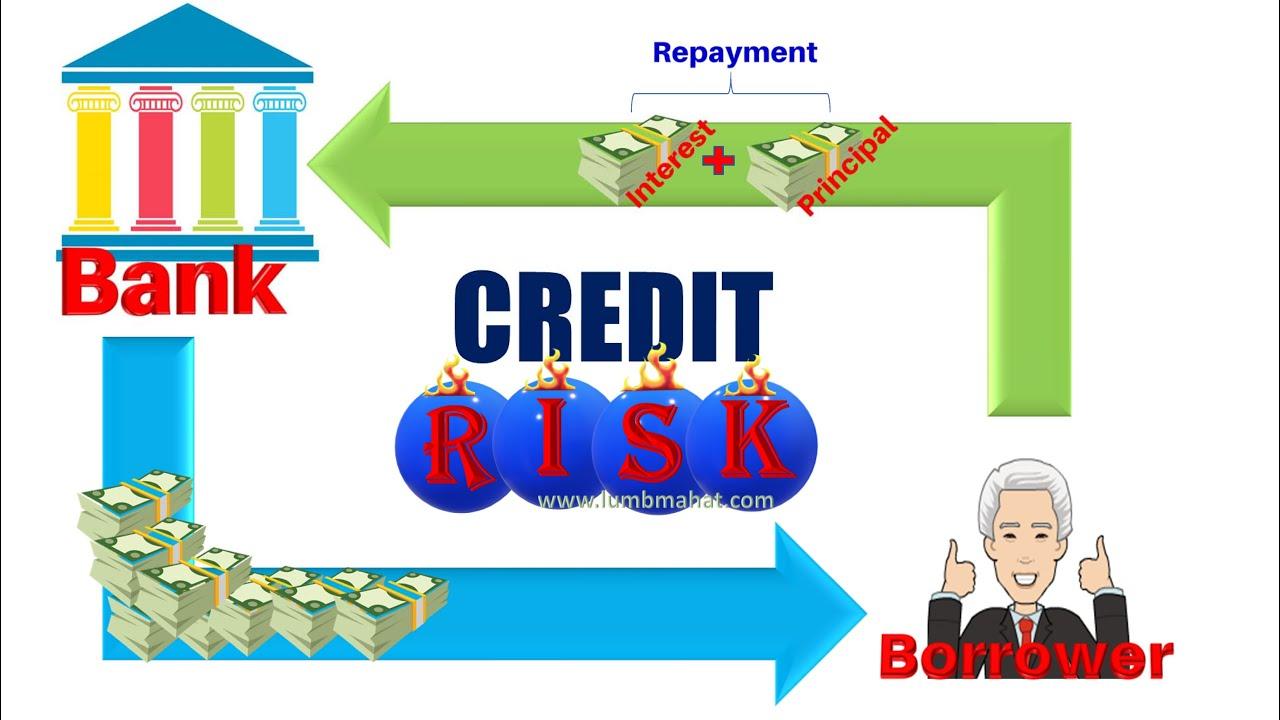
In the intricate dance of finance, credit risk stands as the vigilant gatekeeper, ensuring that every step taken is both measured and secure. As lenders navigate the complex landscape of borrowing and lending, understanding credit risk becomes paramount—a compass guiding decisions that can shape the economic fortunes of individuals and institutions alike. This article delves into the nuanced world of credit risk, unraveling the key factors that lenders meticulously assess to safeguard their investments. From the subtle cues of credit scores to the broader strokes of financial history, discover what truly lies beneath the surface as we explore the criteria that determine the delicate balance between opportunity and risk. Prepare to gain an authoritative insight into the minds of lenders, where every detail matters and every decision counts.
Understanding Borrower Profiles Analyzing Financial Health
In the realm of credit risk assessment, lenders meticulously evaluate borrower profiles to gauge financial health. This process involves a comprehensive analysis of several key factors that collectively paint a picture of a borrower’s creditworthiness. Income stability is often at the forefront, as it indicates the borrower’s ability to consistently meet financial obligations. Lenders scrutinize employment history and income sources to ensure reliability and sufficiency. Equally critical is the credit history, which offers insights into past borrowing behavior. A strong credit history, characterized by timely payments and responsible credit utilization, can significantly enhance a borrower’s profile.
Moreover, lenders delve into the debt-to-income ratio to assess the balance between earnings and existing debts. A lower ratio suggests a healthier financial position, reducing the perceived risk. Another pivotal aspect is the savings and asset portfolio, which serves as a buffer against unforeseen financial challenges. Lenders appreciate borrowers who demonstrate prudent financial management through substantial savings or investments. Lastly, understanding the purpose of the loan provides context to the borrowing need, whether it’s for personal, business, or investment purposes. Each of these elements, when combined, offers lenders a comprehensive view of a borrower’s financial landscape, enabling informed lending decisions.

Evaluating Credit Histories The Importance of Past Behavior
When lenders assess credit risk, they delve into the intricate tapestry of an individual’s financial past. This historical evaluation serves as a powerful indicator of future financial behavior. Past behavior, as captured in a credit history, offers insights into how responsibly one has managed debts and financial obligations. Lenders scrutinize this data to predict the likelihood of timely repayments. A credit history rich with punctual payments and responsible credit usage often translates into favorable lending terms.
- Payment History: This is a critical factor, as it reflects the consistency of past payments. Missed or late payments can raise red flags.
- Credit Utilization: Lenders prefer to see a low ratio of credit card balances to credit limits, indicating prudent financial management.
- Length of Credit History: A longer history provides a more comprehensive view of financial behavior, allowing lenders to make informed decisions.
By meticulously evaluating these aspects, lenders can gauge the risk of lending, ensuring they make decisions that protect their financial interests while offering opportunities to those with proven reliability.

Collateral and Guarantees Securing the Loan
When assessing credit risk, lenders often require additional security to mitigate potential losses. This is where collateral and guarantees come into play. Collateral refers to tangible or intangible assets pledged by the borrower to secure the loan. Should the borrower default, the lender has the right to seize these assets to recover the outstanding debt. Common forms of collateral include:
- Real estate properties
- Vehicles
- Equipment
- Inventory
- Accounts receivable
On the other hand, guarantees involve a third party, often a person or another entity, who promises to fulfill the borrower’s obligations if they fail to do so. This provides an extra layer of security, ensuring that the lender has multiple avenues to recoup their funds. By requiring collateral and guarantees, lenders not only protect their interests but also encourage responsible borrowing behavior, fostering a more stable financial ecosystem.
Mitigating Risks Strategic Recommendations for Lenders
In the ever-evolving landscape of credit risk, lenders must adopt a proactive approach to safeguard their investments. Strategic risk mitigation is paramount, requiring a multifaceted strategy that balances innovation with prudence. Key recommendations include:
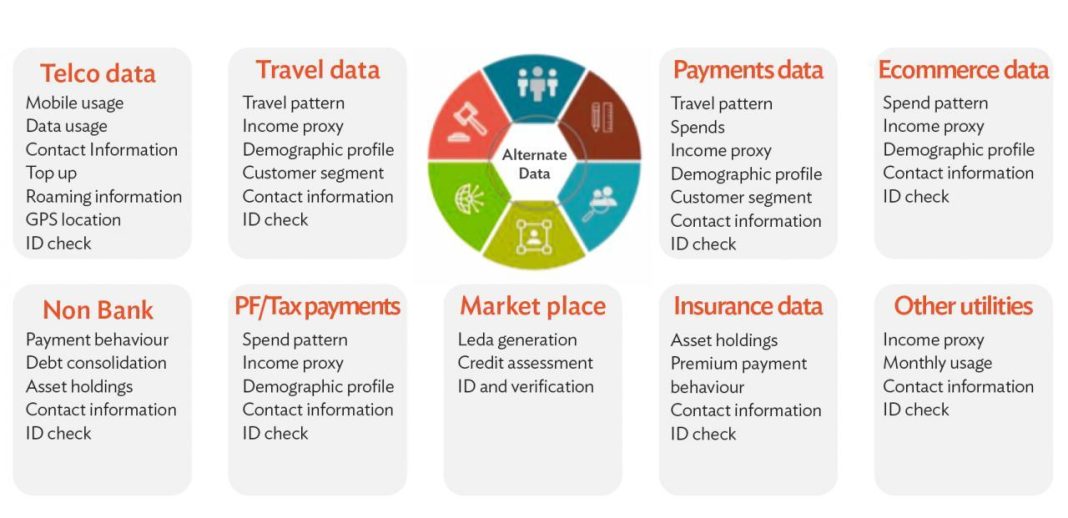
- Comprehensive Risk Assessment: Implement robust credit scoring models that incorporate both traditional financial metrics and alternative data sources to gain a holistic view of potential borrowers.
- Dynamic Portfolio Management: Regularly review and adjust the credit portfolio to respond to market changes, ensuring that exposure to high-risk sectors is minimized.
- Enhanced Due Diligence: Strengthen due diligence processes by integrating advanced analytics and machine learning to identify early warning signals of credit deterioration.
- Customized Credit Policies: Develop flexible credit policies that can be tailored to different borrower segments, allowing for more precise risk management.
Collaboration with Fintechs can also provide lenders with cutting-edge tools and insights, enhancing their ability to predict and manage credit risk effectively. By embedding these strategies into their operations, lenders can not only protect their portfolios but also foster sustainable growth in a competitive market.