

In the dynamic world of business, where opportunities are as abundant as challenges, a robust credit profile is the unsung hero that can propel your enterprise to new heights. Imagine your business as a ship navigating the vast ocean of commerce; a strong credit profile is the sturdy hull that ensures you stay afloat and agile amidst the waves of financial demands. As entrepreneurs and business leaders, understanding how to construct and maintain this financial backbone is not just a skill—it’s a strategic imperative. In this guide, we will unravel the intricacies of building a formidable credit profile, empowering you to unlock the doors to capital, negotiate better terms, and ultimately, fuel your business growth with confidence and authority. Whether you’re a startup visionary or a seasoned executive, mastering the art of credit management is your key to steering your business towards a prosperous horizon.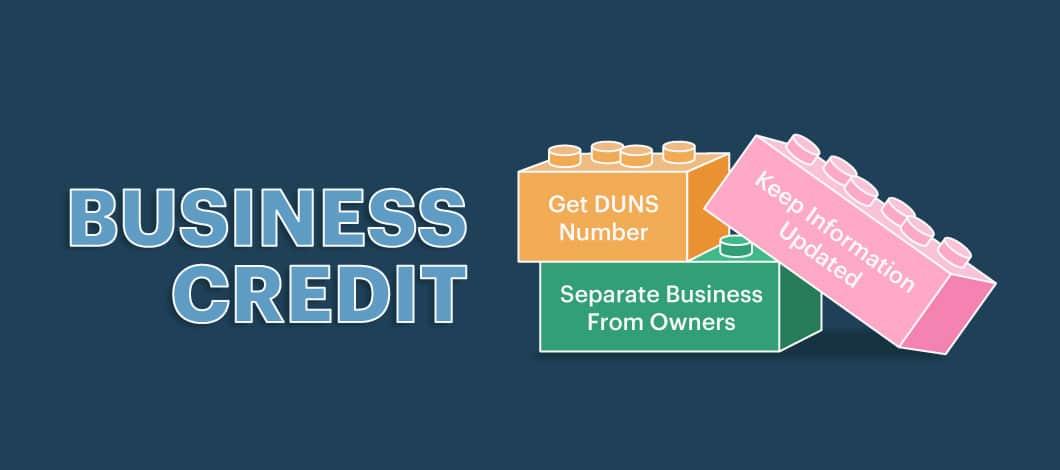
Establishing a Robust Foundation: Key Steps to Enhance Your Business Credit
To build a strong credit profile, it’s essential to lay down a robust foundation that supports your business’s financial credibility. Begin by separating personal and business finances. This means opening a dedicated business bank account and obtaining a business credit card. Doing so not only simplifies accounting but also establishes a clear financial identity for your business.
- Register your business: Ensure your business is legally registered and recognized by credit bureaus. This can be done by obtaining an Employer Identification Number (EIN) and ensuring all licenses are up-to-date.
- Establish trade lines: Work with vendors who report payments to credit bureaus. Timely payments to these vendors can significantly enhance your business credit score.
- Monitor your credit report: Regularly check your business credit reports for accuracy. Dispute any discrepancies promptly to maintain a healthy credit profile.
By implementing these strategic steps, you position your business for sustainable growth and open doors to better financing options, ultimately driving your enterprise toward greater success.

Strategic Credit Utilization: Balancing Growth and Financial Stability
In the dynamic landscape of business finance, the judicious use of credit can be a catalyst for growth while ensuring financial stability. To effectively leverage credit, businesses must focus on strategic credit utilization. This involves maintaining a delicate balance between using credit to seize growth opportunities and ensuring that debt levels remain manageable. Key strategies include:
- Regularly Monitor Credit Usage: Keep a close eye on credit reports and scores to identify potential issues early and take corrective action.
- Diversify Credit Sources: Utilize a mix of credit lines, loans, and credit cards to spread risk and avoid over-reliance on a single source.
- Optimize Payment Schedules: Align payment schedules with cash flow to maintain liquidity and avoid late fees or penalties.
- Negotiate Favorable Terms: Engage with lenders to secure better interest rates and terms that align with your business objectives.
By implementing these strategies, businesses can harness the power of credit to fuel expansion while safeguarding their financial health, ensuring a robust credit profile that supports sustainable growth.
Leveraging Credit for Expansion: Smart Investments and Risk Management
In the pursuit of business expansion, leveraging credit effectively can be a game-changer. To make the most of this financial tool, businesses must focus on smart investments and risk management. Identifying strategic opportunities where credit can be utilized to fuel growth is crucial. This involves not just injecting capital into areas that promise high returns, but also ensuring that these investments align with the long-term vision of the company. Consider the following approaches:
- Invest in technology upgrades: Enhance operational efficiency and scalability.
- Expand product lines: Diversify offerings to capture new market segments.
- Enter new markets: Use credit to support market research and entry strategies.
Equally important is the aspect of risk management. While credit can provide the necessary boost for growth, it also introduces financial obligations that must be managed carefully. Implementing a robust risk management strategy ensures that the business can meet its debt commitments without compromising its financial stability. Key practices include:
- Regularly monitor cash flow: Ensure sufficient liquidity to cover credit repayments.
- Maintain a healthy credit score: Avoid over-leveraging and ensure timely payments.
- Conduct thorough risk assessments: Evaluate potential risks associated with each investment.
Monitoring and Maintenance: Ensuring Long-Term Credit Health
To safeguard your business’s credit profile, diligent monitoring and proactive maintenance are paramount. Regularly reviewing your credit reports ensures that you stay informed about your credit status and can swiftly address any discrepancies or errors. Utilize credit monitoring services to receive alerts about changes or inquiries that could impact your credit score. This vigilance helps you maintain control over your financial narrative and preemptively tackle potential issues.
Implement a routine check-up strategy to assess your credit health. Consider the following practices to ensure long-term stability:
- Schedule periodic reviews of your credit reports from all major credit bureaus.
- Analyze credit utilization ratios to ensure they remain within optimal ranges.
- Negotiate with creditors to adjust terms if necessary, ensuring favorable conditions.
- Stay informed about changes in credit reporting laws and standards.
By integrating these practices into your business operations, you not only protect your credit profile but also lay a solid foundation for sustainable growth and financial success.