


In the intricate world of finance, where every decision can tip the scales between opportunity and risk, the art of credit risk scoring stands as a beacon of precision and foresight. As the backbone of lending decisions, credit risk scoring is not merely a tool, but a dynamic process that requires continuous refinement to adapt to the ever-evolving financial landscape. In this authoritative guide, we delve into the sophisticated realm of credit risk assessment, unraveling strategies and innovations that can elevate your scoring process to new heights. Whether you’re a seasoned financial analyst or a burgeoning risk manager, join us as we explore the cutting-edge methodologies and data-driven insights that can transform your approach, ensuring accuracy, efficiency, and resilience in your credit risk evaluations.
Harnessing Data Analytics for Precision
In the realm of credit risk scoring, the precision of your analytics can make or break your financial assessments. By leveraging data analytics, you can unlock a wealth of insights that were previously hidden in plain sight. The key lies in integrating advanced analytical techniques with your existing data infrastructure. This approach not only enhances the accuracy of your credit scoring models but also enables you to identify potential risks before they materialize.
- Utilize machine learning algorithms: These algorithms can process vast amounts of data to uncover patterns and trends that human analysts might miss.
- Incorporate alternative data sources: Beyond traditional financial metrics, consider data such as social media activity or utility payments to gain a more comprehensive view of creditworthiness.
- Implement real-time analytics: This allows for the continuous monitoring of credit risk, enabling swift responses to any changes in a borrower’s financial situation.
By adopting these strategies, financial institutions can not only improve their credit risk assessments but also foster a more robust and resilient financial ecosystem.
Integrating Machine Learning for Enhanced Predictions
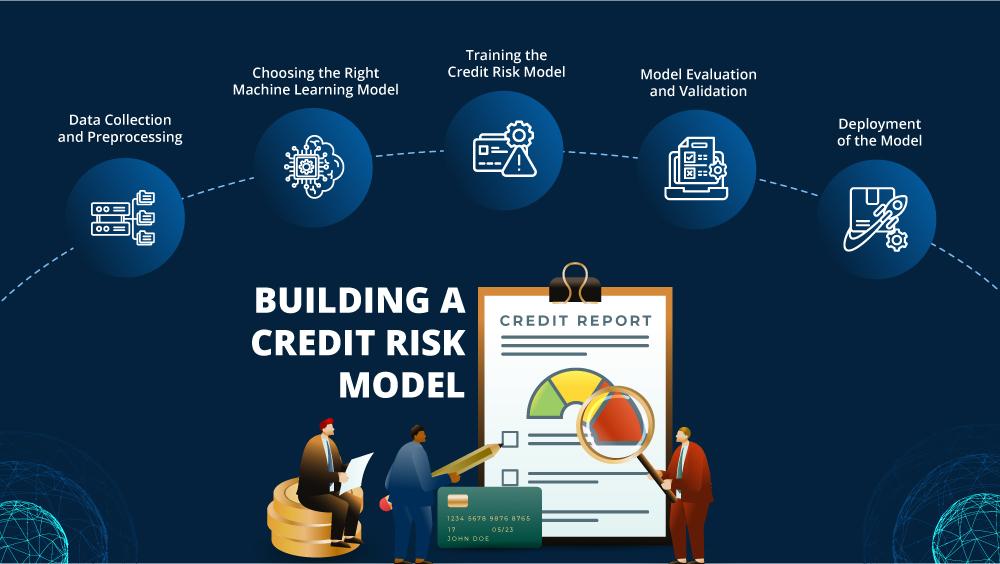
Incorporating machine learning into your credit risk scoring process can significantly elevate the accuracy and reliability of your predictions. By leveraging advanced algorithms, financial institutions can analyze vast datasets, identifying patterns and correlations that traditional methods might overlook. This approach not only enhances the precision of credit risk assessments but also provides a dynamic framework that adapts to new data, ensuring continuous improvement in predictive capabilities.
Consider the following benefits of machine learning integration:
- Data-Driven Insights: Machine learning models can process and analyze diverse data sources, from transaction histories to social media behavior, offering a more comprehensive view of an individual’s creditworthiness.
- Real-Time Analysis: With the ability to process data in real-time, machine learning systems provide up-to-date risk assessments, enabling quicker decision-making and more agile risk management.
- Reduced Bias: By automating the analysis process, machine learning minimizes human biases, leading to fairer and more objective credit evaluations.
Embracing these technological advancements not only optimizes your credit risk scoring but also positions your organization at the forefront of financial innovation.
Streamlining Processes with Automation
In the realm of credit risk scoring, automation serves as a transformative force, revolutionizing how financial institutions assess and manage risk. By integrating advanced algorithms and machine learning models, organizations can enhance the accuracy and efficiency of their scoring processes. Automation not only reduces the manual workload but also minimizes human error, ensuring that credit assessments are both swift and reliable.
- Enhanced Data Analysis: Automated systems can process vast amounts of data at lightning speed, uncovering patterns and insights that might be missed by human analysts.
- Real-time Updates: Automation allows for continuous monitoring and updating of credit scores, adapting to changes in financial behavior or market conditions instantly.
- Scalability: As your organization grows, automated systems can easily scale to handle increased data volumes without compromising on performance.
By embracing automation, companies can not only streamline their credit risk scoring but also gain a competitive edge in the fast-paced financial sector. This strategic shift empowers decision-makers with actionable insights, ultimately leading to more informed lending decisions and better risk management.
Fostering Collaboration Between Departments
To enhance the efficacy of your credit risk scoring process, it is imperative to cultivate a seamless synergy between various departments. This collaboration is not merely a strategic choice but a necessity in today’s dynamic financial landscape. Finance, data analytics, and IT teams must unite their expertise to ensure that data flows effortlessly and insights are shared in real-time. By fostering a culture of open communication, departments can leverage each other’s strengths, leading to more accurate and reliable credit assessments.
- Regular Interdepartmental Meetings: Schedule consistent meetings to discuss ongoing challenges and share updates.
- Shared Digital Platforms: Utilize collaborative tools like Slack or Microsoft Teams to facilitate continuous dialogue.
- Cross-Training Initiatives: Encourage team members to understand the roles and responsibilities of other departments.
These steps not only streamline the credit risk scoring process but also foster an environment of mutual respect and shared goals. By breaking down silos, organizations can adapt more swiftly to market changes and regulatory demands, ultimately enhancing their competitive edge.