

In the ever-shifting landscape of global finance, the art of predicting creditworthiness has become akin to navigating a ship through stormy seas. As economic tides ebb and flow with unprecedented volatility, financial institutions and lenders are tasked with the formidable challenge of discerning reliable borrowers from potential liabilities. In these uncertain times, traditional methods of credit assessment are being put to the test, requiring a blend of innovation, technology, and intuition to chart a course towards stability. This article delves into the evolving strategies and cutting-edge tools that are redefining credit evaluation, offering a comprehensive guide to understanding and mastering the nuances of creditworthiness prediction in an era where certainty is a rare commodity.
Navigating Economic Turbulence: Key Indicators of Creditworthiness
In the midst of economic upheaval, understanding the key indicators of creditworthiness becomes essential for both lenders and borrowers. These indicators act as a compass, guiding financial decisions in stormy seas. Among the most critical metrics is the debt-to-income ratio, which provides a snapshot of an individual’s or a business’s ability to manage existing debts relative to their income. A lower ratio often signals a healthier financial position, suggesting that the entity can comfortably meet its debt obligations even in uncertain times.
Another vital indicator is the credit utilization rate, which measures how much of the available credit is being used. A lower utilization rate typically indicates responsible credit management and can be a positive sign of creditworthiness. Additionally, keeping an eye on the credit history length and the diversity of credit accounts can offer insights into a borrower’s experience and reliability. Here are some key points to consider:
- Payment History: Consistent, on-time payments are a strong indicator of reliability.
- Public Records: Absence of bankruptcies or liens enhances creditworthiness.
- Economic Conditions: Consider the broader economic environment, as it can impact credit behavior and risk.
By closely monitoring these indicators, financial stakeholders can better navigate the unpredictable economic landscape, making informed decisions that safeguard their financial interests.
Harnessing Advanced Analytics for Accurate Credit Predictions
In today’s volatile economic landscape, financial institutions are increasingly turning to advanced analytics to refine their credit prediction models. By leveraging big data and machine learning algorithms, these institutions can sift through vast amounts of information to uncover patterns and trends that traditional methods might overlook. This approach not only enhances the accuracy of credit assessments but also enables lenders to make more informed decisions, even in the face of economic uncertainty.
Key elements of this strategy include:
- Data Integration: Combining data from diverse sources such as social media, transaction histories, and even geolocation data to build a comprehensive profile of potential borrowers.
- Predictive Modeling: Utilizing sophisticated algorithms to identify potential risks and opportunities, allowing for more nuanced credit scoring.
- Real-Time Analysis: Implementing systems that provide up-to-the-minute insights, enabling swift adjustments to credit policies as market conditions evolve.
By embracing these advanced analytical techniques, lenders can not only improve their risk management but also foster stronger relationships with their clients through personalized financial solutions.
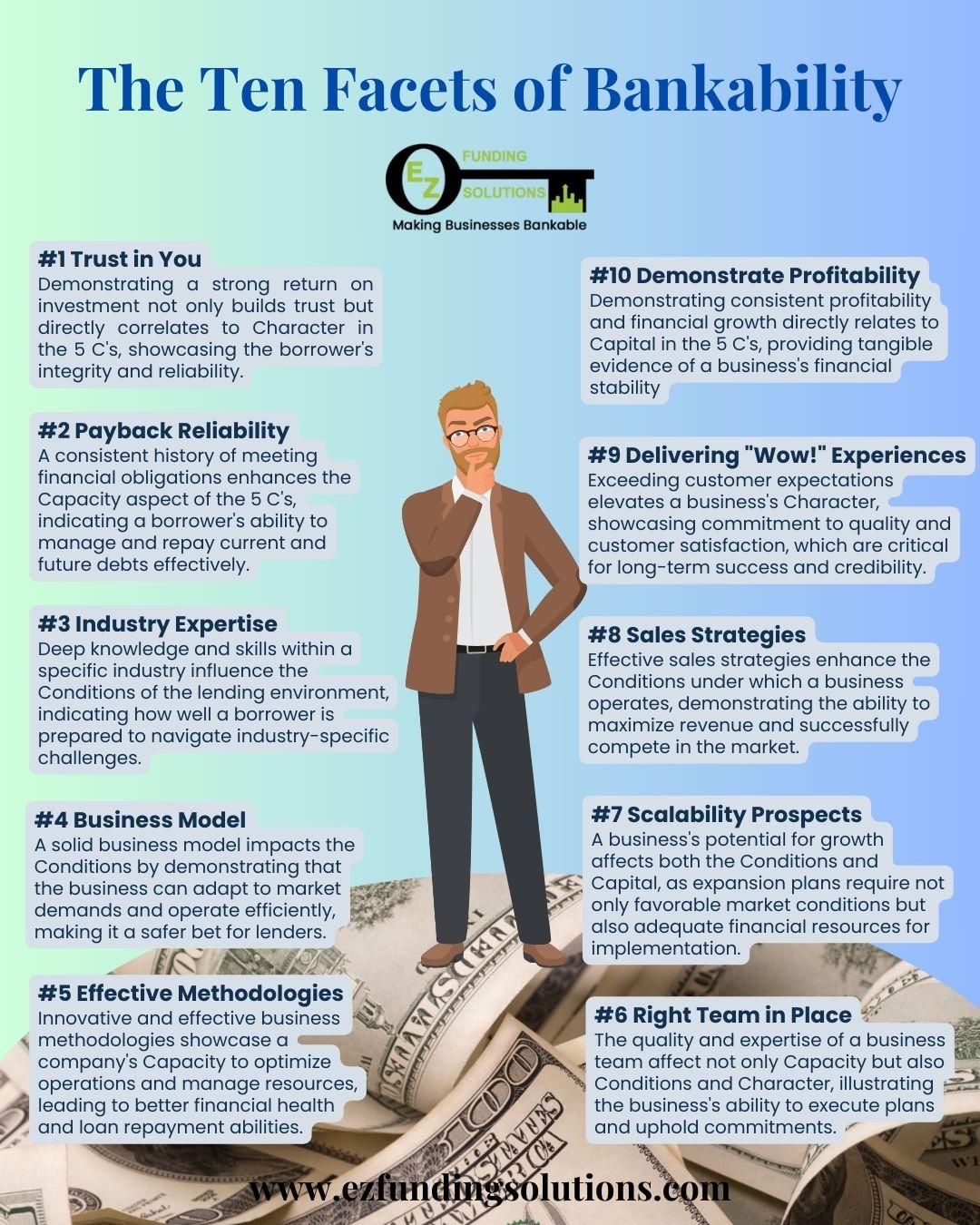
Mitigating Risk: Strategic Approaches to Assess Borrower Reliability
In the ever-evolving landscape of financial lending, assessing borrower reliability requires a blend of traditional methods and innovative strategies. To effectively gauge creditworthiness, lenders must employ a multifaceted approach that not only scrutinizes historical data but also anticipates future trends. Leveraging advanced analytics and machine learning algorithms can unveil patterns in borrower behavior that might otherwise remain hidden. These technologies can process vast amounts of data swiftly, providing insights into potential risks and opportunities.
Furthermore, a holistic evaluation of a borrower’s profile is essential. Consider incorporating the following strategic approaches:
- Behavioral Analysis: Assess spending habits and payment patterns to predict future financial behavior.
- Economic Indicators: Monitor macroeconomic factors that might impact the borrower’s financial stability.
- Social Media Insights: Analyze online presence and activity for additional context on borrower reliability.
- Dynamic Scoring Models: Utilize models that adapt to real-time data, offering a more current assessment of risk.
By integrating these strategies, lenders can enhance their ability to predict creditworthiness even in the most uncertain times, ensuring a more robust and reliable lending process.

Innovative Tools and Techniques for Enhanced Credit Evaluation
In today’s volatile economic landscape, leveraging cutting-edge tools and techniques is crucial for accurate credit evaluation. Artificial Intelligence (AI) and Machine Learning (ML) are at the forefront, enabling financial institutions to analyze vast datasets with precision and speed. These technologies facilitate the identification of patterns and anomalies that traditional methods might overlook, offering a more nuanced understanding of a borrower’s financial behavior.
Moreover, the integration of alternative data sources—such as social media activity, utility payments, and even mobile phone usage—provides a broader picture of creditworthiness. This holistic approach ensures that lenders can make informed decisions even when conventional credit history is sparse or non-existent. Key techniques include:
- Predictive Analytics: Utilizes historical data to forecast future credit behavior.
- Natural Language Processing (NLP): Analyzes text data from various sources to gauge financial sentiment.
- Blockchain Technology: Enhances transparency and security in credit transactions.
By embracing these innovative tools, financial institutions can not only mitigate risks but also expand their customer base by identifying potential borrowers who might have been overlooked by traditional credit evaluation methods.
The Way Forward
In the ever-shifting landscape of financial uncertainty, predicting creditworthiness is not just a skill—it’s an art form. As we navigate these turbulent times, the tools and strategies we’ve explored become our compass, guiding us through the fog of economic unpredictability. By embracing a blend of traditional metrics and innovative technologies, we can illuminate the path forward, ensuring that our assessments remain robust and resilient. As we close this chapter, let us remember that the key to mastering creditworthiness lies not just in the data we analyze, but in the wisdom we apply. With vigilance and adaptability, we can turn uncertainty into opportunity, crafting a future where financial foresight is not only possible but profound.