
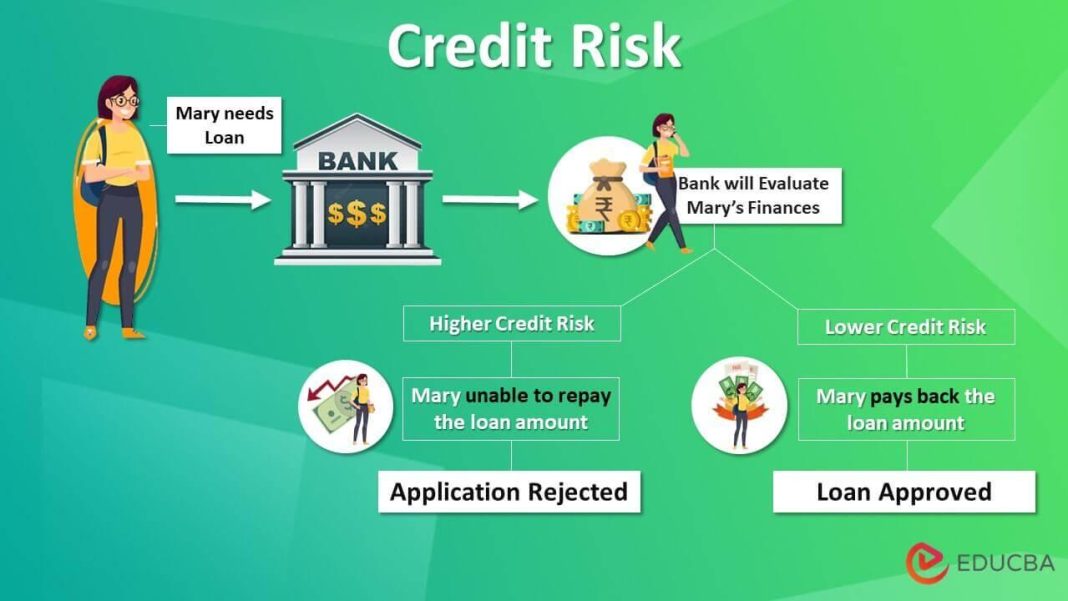

In the ever-evolving landscape of global finance, where opportunities are as vast as the horizon, managing credit risk in expanding markets emerges as both an art and a science. As economies burgeon and new markets unfurl their potential, the allure of growth is tempered by the complexities of credit risk. This intricate dance between opportunity and caution demands a strategic approach, one that balances ambition with prudence. In this article, we delve into the nuanced world of credit risk management, exploring the tools, techniques, and insights that empower financial leaders to navigate the uncharted waters of burgeoning markets. With a keen eye on the horizon and a firm grip on the helm, we uncover the strategies that transform risk into resilience, ensuring that growth is not just pursued, but sustained.
Navigating the Complexities of Credit Risk in Emerging Economies
In the dynamic landscape of emerging economies, credit risk management demands a nuanced approach that balances opportunity with caution. These markets are often characterized by volatile economic conditions, regulatory uncertainties, and limited access to reliable financial data. To navigate these complexities, financial institutions must adopt innovative strategies that go beyond traditional risk assessment models. Embracing advanced analytics and machine learning can provide deeper insights into borrower behavior, while localized knowledge can help in understanding the unique socio-economic factors at play.
- Leverage Technology: Utilize AI-driven tools to analyze large datasets, uncovering patterns and trends that might not be immediately apparent through conventional methods.
- Build Local Expertise: Develop teams with a deep understanding of the local market dynamics to better assess risks and opportunities.
- Enhance Regulatory Compliance: Stay abreast of evolving regulations to ensure that credit practices align with local legal frameworks, thus minimizing compliance risks.
- Focus on Diversification: Spread credit exposure across various sectors and regions to mitigate the impact of localized economic downturns.
By implementing these strategies, financial institutions can not only manage credit risk more effectively but also position themselves to capitalize on the growth potential that emerging markets offer. The key lies in a balanced approach that leverages both technological advancements and local insights to create a robust credit risk management framework.

Strategic Approaches to Credit Risk Assessment in Growth Markets
In the dynamic landscape of growth markets, the assessment of credit risk demands a blend of innovation and prudence. As these markets expand, financial institutions must employ strategic approaches that not only evaluate the current creditworthiness of borrowers but also anticipate future challenges. One effective strategy is the integration of advanced analytics and machine learning algorithms to enhance predictive accuracy. By leveraging big data, institutions can gain deeper insights into borrower behavior and market trends, enabling them to make informed decisions with greater confidence.
Furthermore, fostering strong relationships with local partners can provide invaluable on-the-ground insights that are often overlooked by traditional assessment models. Engaging with local businesses and community leaders helps in understanding the unique socio-economic factors at play, which can significantly impact credit risk. Additionally, implementing robust stress-testing frameworks allows for the simulation of various economic scenarios, ensuring that institutions are prepared for potential downturns. These strategic measures, when combined, create a comprehensive approach to managing credit risk in markets that are both challenging and ripe with opportunity.

Harnessing Advanced Analytics for Proactive Risk Management
In today’s rapidly evolving financial landscape, the integration of advanced analytics into credit risk management is no longer optional—it’s essential. By leveraging data-driven insights, financial institutions can transform reactive strategies into proactive solutions, thereby safeguarding their portfolios against unforeseen market shifts. Advanced analytics enables the identification of emerging risks through real-time data processing and predictive modeling, offering a comprehensive view of potential vulnerabilities.
- Predictive Modeling: Utilize historical data to forecast future credit risk scenarios.
- Real-time Monitoring: Implement continuous data analysis to detect early warning signals.
- Enhanced Decision-Making: Support strategic decisions with data-backed insights.
These tools not only help in mitigating risks but also in identifying new opportunities for growth in expanding markets. By adopting a proactive stance, organizations can enhance their resilience and maintain a competitive edge, ensuring sustainable success in an ever-changing environment.
Building Robust Credit Risk Frameworks for Sustainable Expansion
In the dynamic landscape of expanding markets, establishing a resilient credit risk framework is paramount for sustainable growth. The key lies in developing a comprehensive strategy that integrates both quantitative and qualitative assessments. Data analytics plays a crucial role, offering insights into customer behavior and market trends. By leveraging machine learning algorithms, financial institutions can enhance their predictive accuracy, identifying potential risks before they materialize. Furthermore, scenario analysis and stress testing are indispensable tools that help simulate adverse conditions, ensuring preparedness for unforeseen challenges.
Beyond the numbers, a robust framework must incorporate strong governance and transparent communication. This involves:
- Establishing clear policies that define risk appetite and tolerance levels.
- Fostering a risk-aware culture within the organization, where employees at all levels understand their role in risk management.
- Engaging stakeholders through regular updates and open dialogue, ensuring alignment with strategic objectives.
By embedding these elements into the core of credit risk management, businesses can navigate the complexities of expanding markets with confidence and resilience.