
In the fast-paced world of business, where opportunities and challenges often arrive unannounced, maintaining a robust credit rating can be the key to unlocking new avenues of growth and stability. Your business credit rating is more than just a number; it’s a reflection of your company’s financial health and reliability, a silent ambassador that speaks volumes to potential lenders, partners, and investors. Yet, many business owners find themselves perplexed by the intricacies of credit scores, unsure of how to navigate this critical aspect of their financial landscape. Fear not, for this article is your compass in the complex world of business credit. We will explore simple, yet effective strategies to enhance your business credit rating, empowering you to steer your enterprise towards a future of financial strength and opportunity. Whether you’re a seasoned entrepreneur or a burgeoning startup, these actionable insights will help you build a credit profile that not only withstands scrutiny but also stands out in a competitive market.
Mastering the Basics of Business Credit
Understanding the essentials of business credit is pivotal for any entrepreneur aiming to elevate their company’s financial standing. At its core, business credit serves as a reflection of your company’s ability to manage debt and financial obligations. To lay a solid foundation, consider these key elements:
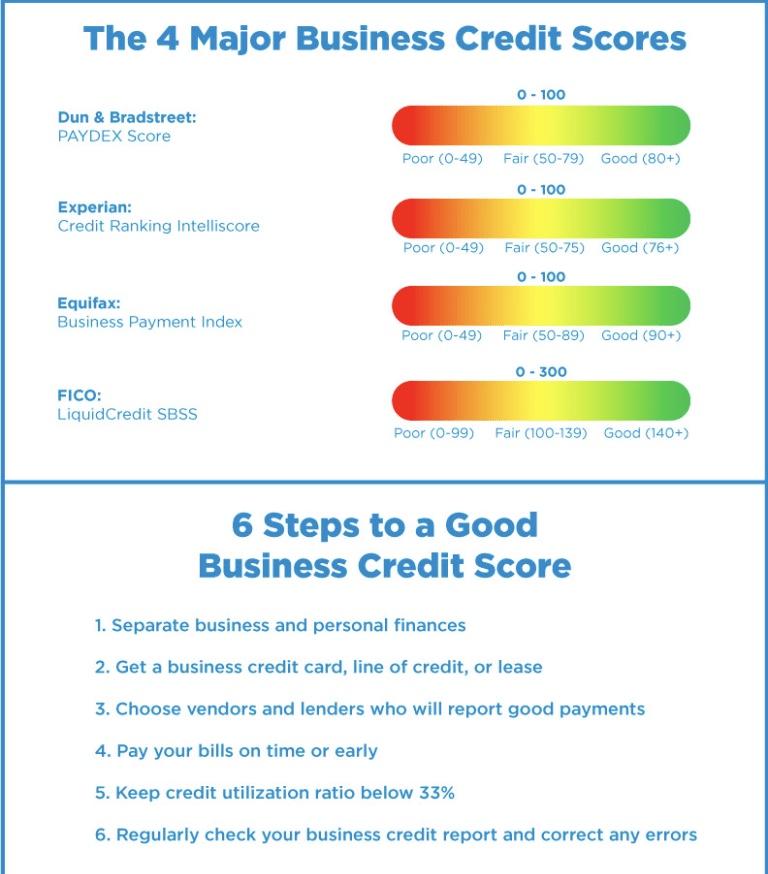
- Separate Personal and Business Finances: Establish a distinct business bank account and credit card to ensure clear boundaries between personal and business expenses.
- Register Your Business: A formal business structure, such as an LLC or corporation, can help build credibility and pave the way for better credit opportunities.
- Maintain Consistent Payment Habits: Paying bills on time is crucial. Late payments can significantly impact your credit score, so set reminders or automate payments to stay on track.
By mastering these basics, you not only enhance your business credit rating but also position your company for greater financial opportunities. A robust credit profile can unlock better loan terms, attract investors, and ultimately fuel your business’s growth.

Strategic Financial Management for Enhanced Creditworthiness
In today’s competitive business landscape, enhancing your company’s creditworthiness is crucial for securing better financing options and fostering sustainable growth. Implementing strategic financial management practices can significantly bolster your business credit rating. Start by maintaining a robust cash flow management system to ensure timely payments to creditors and suppliers. This not only improves your credit score but also builds trust with your financial partners.
- Regularly review your financial statements: Conduct periodic audits to identify any discrepancies or areas for improvement.
- Optimize your debt-to-equity ratio: Strive for a balanced approach to financing, reducing reliance on debt where possible.
- Build strong relationships with creditors: Open lines of communication can lead to favorable terms and conditions.
By implementing these strategic measures, your business can enhance its creditworthiness, paving the way for future opportunities and financial stability.
Building Strong Relationships with Creditors
Establishing and nurturing positive connections with your creditors is crucial for maintaining a healthy business credit rating. One effective approach is to communicate openly and regularly. Keeping your creditors informed about your business’s financial status, upcoming challenges, or potential payment delays can foster trust and goodwill. This transparency not only demonstrates your commitment to honoring obligations but also opens up opportunities for negotiation and flexibility.
Additionally, consider the following strategies to strengthen these relationships:
- Be Proactive: Reach out to creditors before issues arise. Discuss potential adjustments to payment terms if necessary.
- Show Appreciation: A simple thank you or acknowledgment of their support can go a long way in solidifying your partnership.
- Meet Obligations: Always strive to meet payment deadlines. If unavoidable, communicate delays promptly and propose realistic solutions.
By implementing these practices, you not only enhance your credit rating but also build a network of supportive partners willing to assist in your business’s growth.
Leveraging Credit Monitoring Tools for Proactive Management
In the fast-paced world of business, staying ahead of your credit status is crucial. Credit monitoring tools offer a proactive approach to managing your business credit rating, allowing you to swiftly identify and address potential issues before they escalate. These tools provide real-time alerts and detailed reports, empowering you to maintain a healthy credit profile.
- Instant Alerts: Receive notifications for any changes in your credit report, enabling you to act quickly on discrepancies.
- Comprehensive Analysis: Gain insights into your credit utilization, payment history, and outstanding debts, helping you strategize for improvement.
- Fraud Detection: Protect your business from identity theft and fraudulent activities by monitoring unauthorized inquiries or transactions.
By integrating these tools into your financial management strategy, you not only safeguard your business’s credit health but also position yourself for better financing opportunities and vendor relationships. Embrace the power of technology to transform your credit management from reactive to proactive.