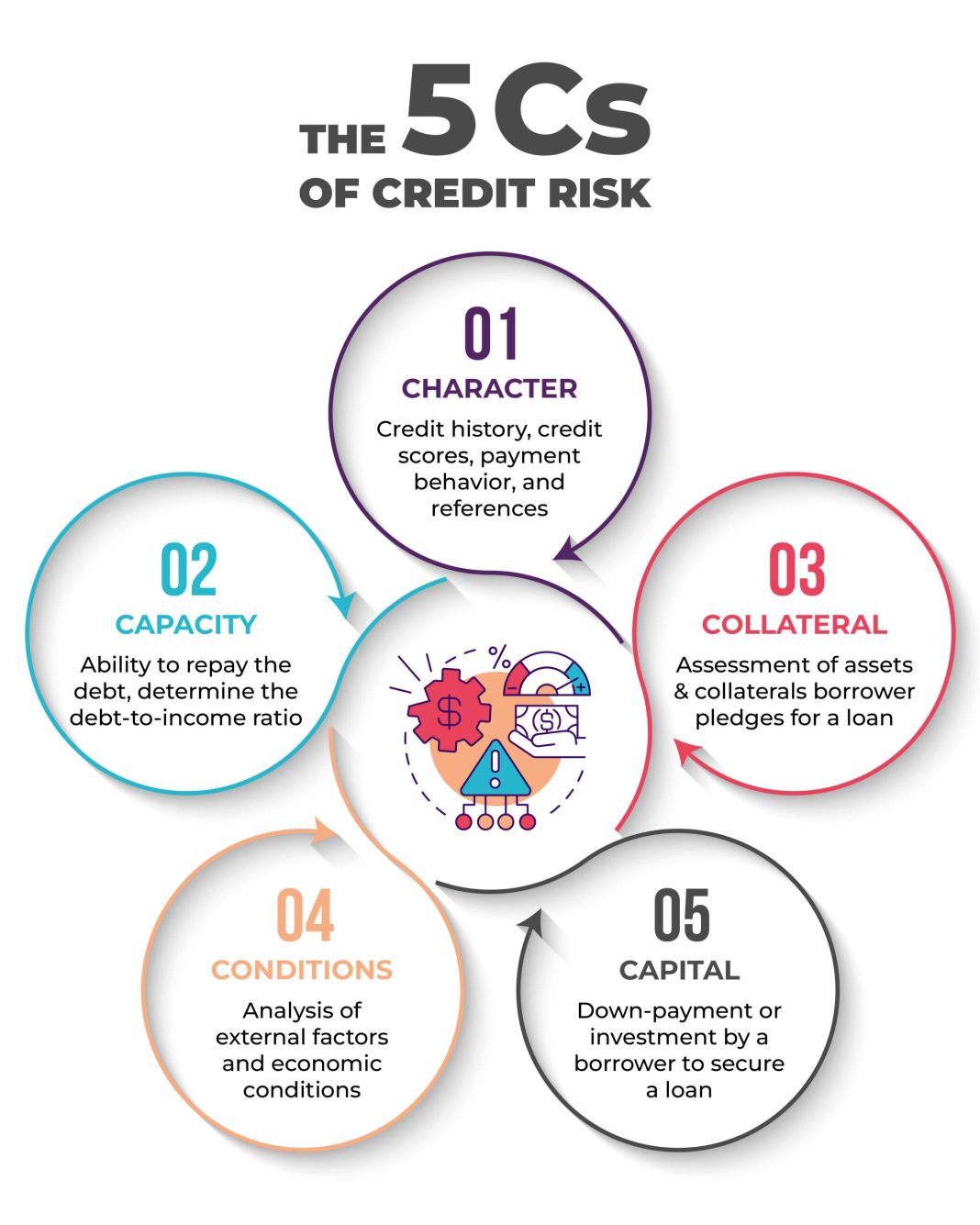

In the intricate world of finance, where the delicate balance between risk and reward dictates success, credit risk assessment stands as a pivotal guardian of stability. As institutions navigate the complex labyrinth of lending, the ability to accurately evaluate the creditworthiness of potential borrowers becomes not just a skill, but an art form. Welcome to “,” where we unravel the essential components that underpin this critical process. With an authoritative lens, we delve into the nuances of risk evaluation, offering a comprehensive guide that empowers financial professionals to make informed, strategic decisions. Whether you’re a seasoned analyst or a newcomer to the field, this checklist serves as your compass, guiding you through the multifaceted landscape of credit risk with precision and confidence. Prepare to embark on a journey that demystifies the complexities of credit risk assessment, equipping you with the tools to safeguard your financial endeavors.
Understanding the Core Principles of Credit Risk
In the realm of financial management, a firm grasp of credit risk is indispensable. At its core, credit risk revolves around the possibility that a borrower may fail to meet their financial obligations. This risk is not just about the potential for default, but also encompasses the timing and severity of losses. Understanding these nuances is essential for crafting robust risk management strategies.
- Probability of Default (PD): Assessing the likelihood that a borrower will default on their obligations.
- Loss Given Default (LGD): Estimating the amount of loss if a default occurs, factoring in recovery rates.
- Exposure at Default (EAD): Calculating the total value exposed to risk at the time of default.
- Risk Mitigation: Implementing measures such as collateral, guarantees, and credit derivatives to reduce potential losses.
By integrating these principles into your credit risk assessment framework, you can better navigate the complexities of financial risk, ensuring a more resilient and informed approach to lending and investment decisions.

Key Metrics and Tools for Comprehensive Analysis
In the intricate world of credit risk assessment, leveraging the right metrics and tools is crucial for making informed decisions. A robust analysis begins with understanding key performance indicators such as Probability of Default (PD), Loss Given Default (LGD), and Exposure at Default (EAD). These metrics provide a comprehensive view of potential risks and help in crafting strategies to mitigate them effectively. By quantifying the likelihood of a borrower defaulting, estimating potential losses, and assessing the exposure level, financial institutions can tailor their risk management approaches to suit specific credit profiles.
To enhance the accuracy and efficiency of credit risk evaluations, incorporating advanced tools is indispensable. Consider utilizing:
- Credit Scoring Models: These models use statistical techniques to evaluate the creditworthiness of borrowers, providing a numerical representation of risk.
- Risk Management Software: Platforms like SAS Risk Management and Moody’s Analytics offer comprehensive solutions for data analysis, scenario testing, and risk reporting.
- Machine Learning Algorithms: Employing AI-driven analytics can uncover patterns and insights from vast datasets, improving predictive accuracy.
- Stress Testing Tools: These tools simulate adverse economic conditions to assess the resilience of credit portfolios.
By integrating these metrics and tools, organizations can achieve a nuanced understanding of credit risk, ensuring a proactive approach to financial stability and growth.

Strategies for Mitigating Credit Risk Effectively
To navigate the complex landscape of credit risk, financial institutions must employ a multi-faceted approach. Diversification is a cornerstone strategy, spreading exposure across various sectors and geographies to reduce the impact of a single default. Implementing robust credit scoring systems ensures that potential borrowers are thoroughly evaluated, using both traditional financial metrics and alternative data sources for a more comprehensive risk profile.
- Regular Monitoring: Continuously assess the creditworthiness of clients to catch early warning signs of potential default.
- Credit Insurance: Protect against significant losses by transferring risk to insurance providers.
- Collateral Management: Secure loans with assets that can be liquidated if necessary, minimizing potential losses.
- Risk-based Pricing: Adjust interest rates based on the assessed risk level, ensuring compensation for higher-risk loans.
Technology integration plays a pivotal role, leveraging AI and machine learning to predict and manage risks more effectively. By adopting these strategies, institutions can not only safeguard their portfolios but also enhance their competitive edge in the market.
Implementing Best Practices for Ongoing Risk Management
Ensuring a robust framework for risk management is crucial in the dynamic world of credit assessment. It is essential to adopt a proactive approach that integrates best practices for ongoing risk management. These practices not only safeguard against potential pitfalls but also enhance decision-making processes. Consider the following strategies to fortify your risk management efforts:
- Continuous Monitoring: Implement real-time monitoring systems to track credit performance and identify emerging risks promptly.
- Data Analytics: Leverage advanced analytics to gain insights into customer behavior and market trends, enabling informed risk assessments.
- Stress Testing: Regularly conduct stress tests to evaluate the resilience of your credit portfolio under various economic scenarios.
- Policy Updates: Ensure that risk management policies are regularly reviewed and updated to reflect changes in the regulatory environment and market conditions.
- Stakeholder Engagement: Foster open communication with stakeholders to ensure alignment on risk appetite and mitigation strategies.
By embedding these practices into your risk management framework, you not only protect your organization from unforeseen challenges but also position it for sustainable growth in the ever-evolving financial landscape.