

In the ever-evolving landscape of global finance, where uncertainty is the only constant, financial institutions find themselves navigating a labyrinth of shifting credit risk trends. Like seasoned mariners steering through turbulent seas, these institutions must deftly adapt to the unpredictable currents of economic change. As the world emerges from unprecedented challenges, from pandemics to geopolitical upheavals, the ability to anticipate and respond to these changes has never been more critical. This article delves into the strategic maneuvers and innovative approaches that financial institutions employ to stay ahead of the curve, ensuring stability and resilience in the face of fluctuating credit risks. Through a blend of cutting-edge technology, rigorous analytics, and adaptive policy frameworks, these institutions not only safeguard their portfolios but also fortify the very foundations of the global economy. Join us as we explore the dynamic interplay between risk and opportunity, and uncover the strategies that define the future of financial resilience.
Navigating the Evolving Landscape of Credit Risk Management
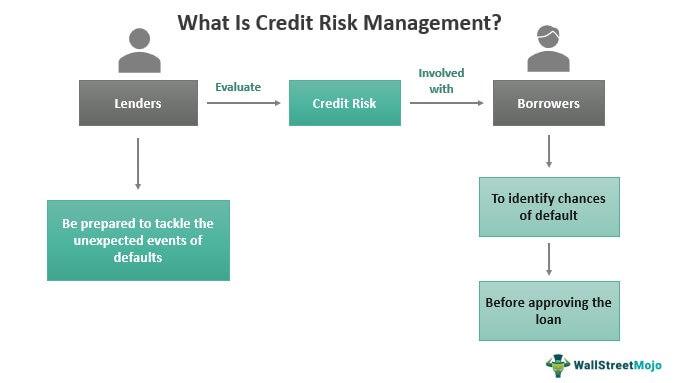
In today’s dynamic financial environment, institutions are continually refining their strategies to manage credit risk effectively. With the rapid evolution of economic conditions and technological advancements, financial entities are leveraging a combination of innovative tools and traditional methods to stay ahead. Advanced analytics and machine learning algorithms are now at the forefront, enabling more accurate risk assessments and predictive modeling. These technologies allow institutions to process vast amounts of data, identifying potential risks before they manifest into significant issues.
Furthermore, the emphasis on collaborative approaches is becoming increasingly prominent. Financial institutions are fostering partnerships with fintech companies to enhance their risk management frameworks. This collaboration often results in the development of tailored solutions that address specific risk factors unique to each institution. Key strategies being adopted include:
- Implementing real-time monitoring systems to track credit exposure continuously.
- Enhancing data security measures to protect sensitive financial information.
- Investing in staff training programs to ensure teams are equipped with the latest risk management skills.
By embracing these strategies, financial institutions not only safeguard their assets but also build a resilient framework capable of adapting to future challenges.

Harnessing Advanced Analytics for Proactive Risk Assessment
In the rapidly evolving landscape of credit risk, financial institutions are increasingly turning to advanced analytics to stay ahead of potential pitfalls. By leveraging sophisticated data models and machine learning algorithms, these institutions can now predict and mitigate risks before they materialize. This proactive approach allows them to not only safeguard their portfolios but also to optimize their credit offerings. Key benefits include:
- Enhanced accuracy in credit scoring and risk assessment.
- Real-time monitoring of market trends and consumer behavior.
- Improved decision-making through data-driven insights.
Financial institutions that embrace these advanced analytics tools are better equipped to adapt to shifting credit risk trends, ensuring their resilience and competitiveness in an unpredictable market.
Building Resilient Strategies in Response to Emerging Credit Challenges
In the face of evolving credit risk trends, financial institutions are increasingly turning to innovative strategies to safeguard their operations and maintain stability. These strategies are not just about reacting to current challenges but also about anticipating future risks. Advanced data analytics and machine learning are at the forefront, enabling institutions to gain deeper insights into borrower behavior and market conditions. By leveraging these technologies, banks can identify potential defaults earlier and adjust their risk assessments accordingly.
Moreover, institutions are focusing on diversifying their portfolios to mitigate risk. This involves not only expanding into different sectors but also exploring new geographical markets. Enhanced stress testing procedures are being adopted to simulate various economic scenarios, ensuring that banks are prepared for potential downturns. Additionally, fostering a culture of continuous learning and adaptation within the workforce is crucial. Employees are encouraged to stay informed about global economic shifts and regulatory changes, ensuring that the institution remains agile and responsive to new credit challenges.

Innovative Solutions for Strengthening Credit Risk Frameworks
In today’s rapidly evolving financial landscape, institutions are compelled to adopt innovative strategies to bolster their credit risk frameworks. As traditional models struggle to keep pace with emerging trends, a blend of technology and data-driven insights becomes essential. Financial institutions are increasingly leveraging artificial intelligence and machine learning to predict and mitigate potential risks. These technologies enable the analysis of vast datasets, uncovering patterns and anomalies that might otherwise go unnoticed. By implementing real-time monitoring systems, institutions can respond swiftly to changes in borrower behavior, enhancing their ability to manage risk effectively.
Furthermore, the integration of alternative data sources—such as social media activity, transaction history, and even geolocation data—offers a more nuanced understanding of creditworthiness. This holistic approach allows for more accurate risk assessments and tailored credit solutions. Financial institutions are also focusing on collaborative platforms that foster transparency and communication between stakeholders, ensuring that all parties have access to the most current and relevant information. By embracing these innovative solutions, financial entities not only safeguard their portfolios but also position themselves as leaders in the ever-shifting world of credit risk management.